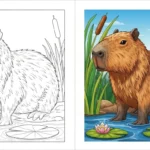
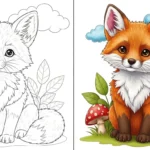
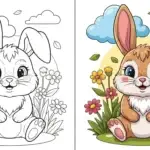
We offer a wide collection of free, high-quality printable coloring pages for kids and adults. From cute animals to intricate mandalas, our designs bring creativity and relaxation to everyone. Download, print, and start coloring today!

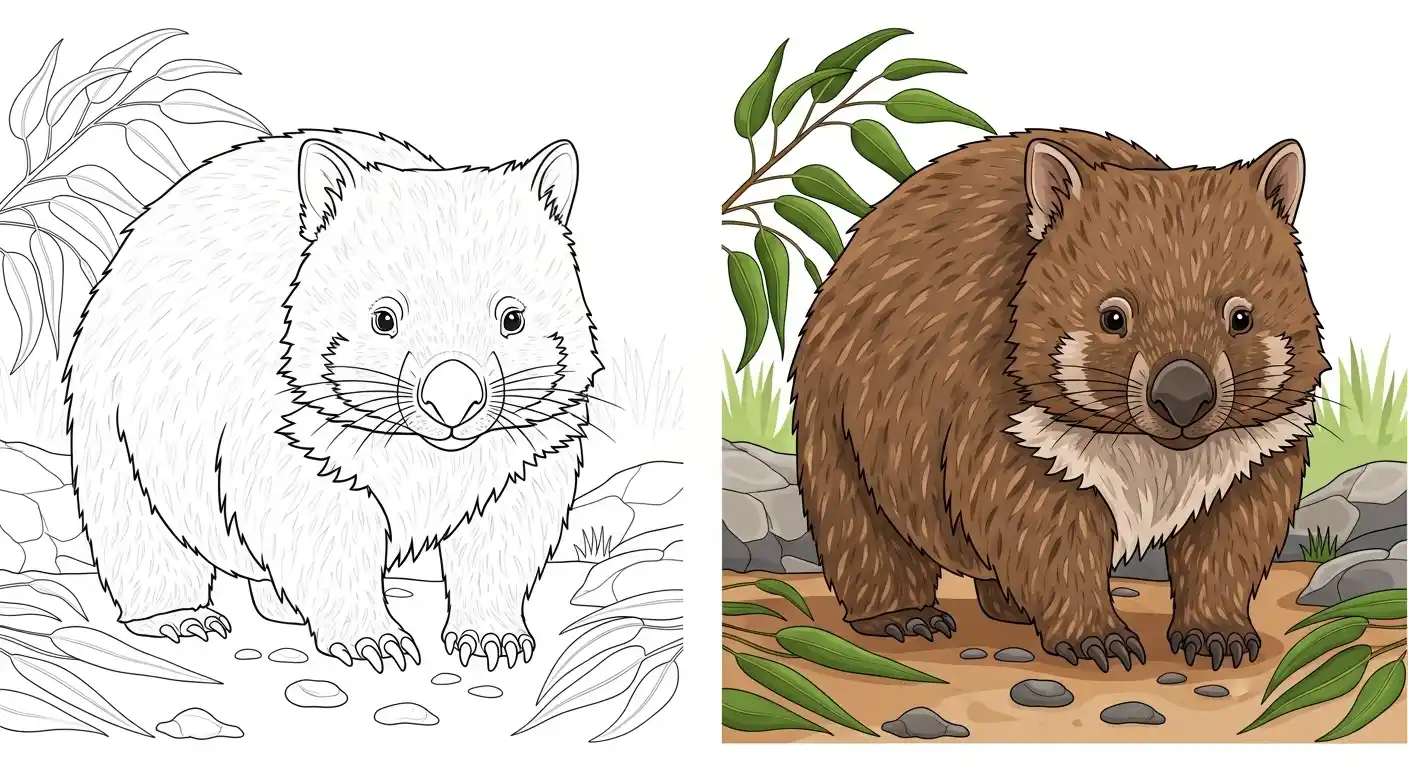
Chunky legs and round tummies make wombats irresistible subjects for tiny hands ready to explore color. These wombat coloring pages turn simple shapes into powerful tools for building fine motor control in toddlers (2–4). Print a sheet in seconds and transform waiting time into focused, screen-free play that strengthens little fingers. No artistic experience needed—just chunky crayons, thick markers, or even finger paints for extra sensory fun.
Photos Of Wombat Coloring Pages
Browse these printable wombat designs crafted for early learners. Each sheet features friendly, approachable outlines perfect for developing motor skills.
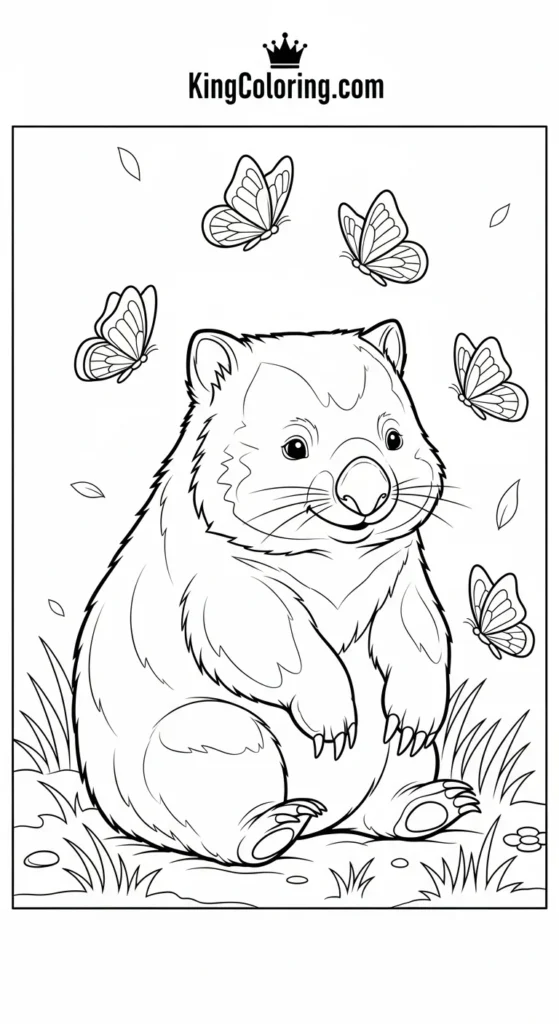
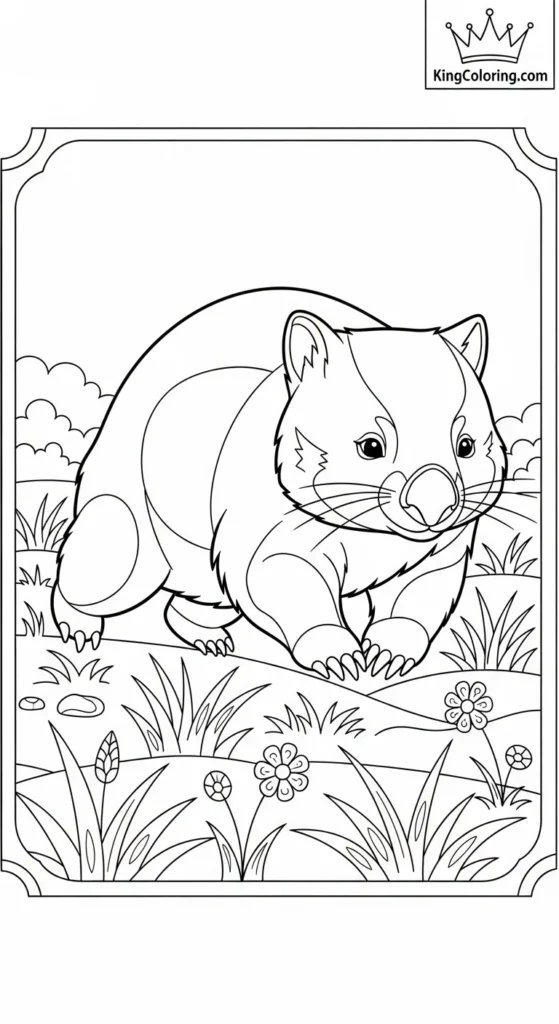
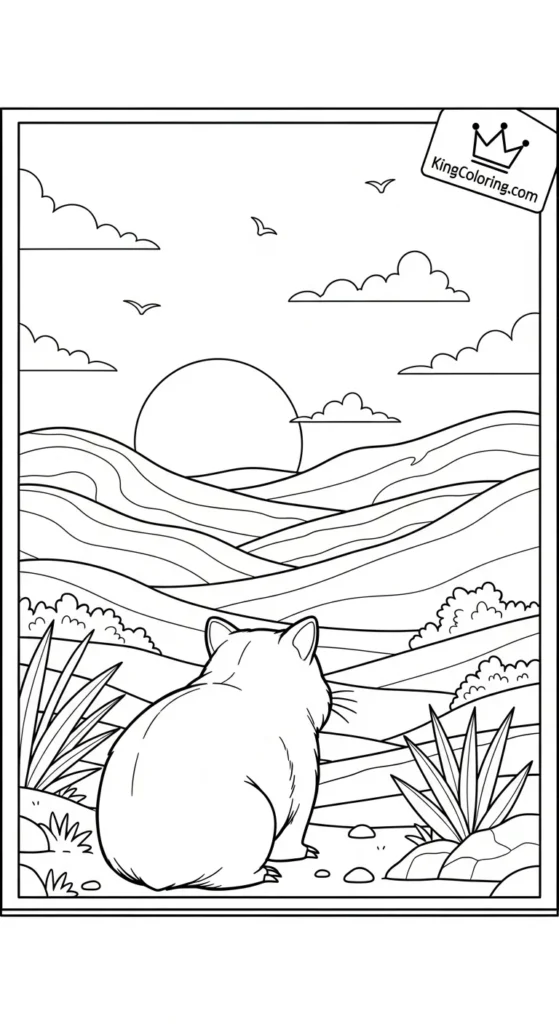
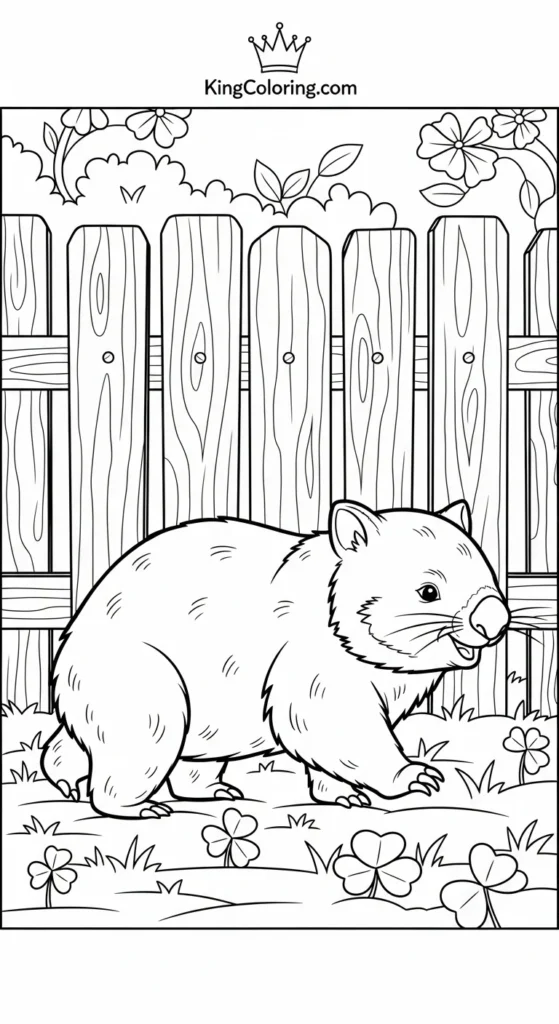
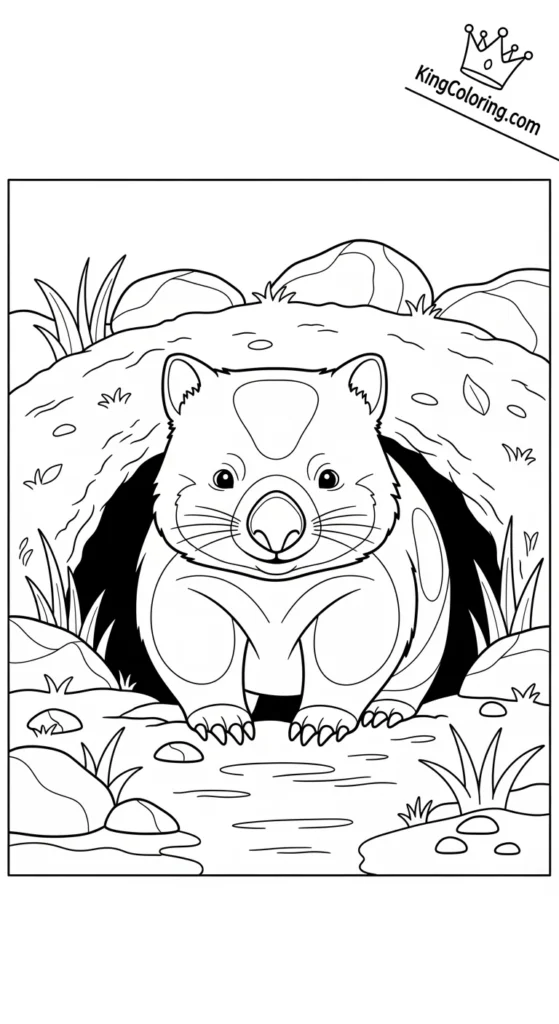
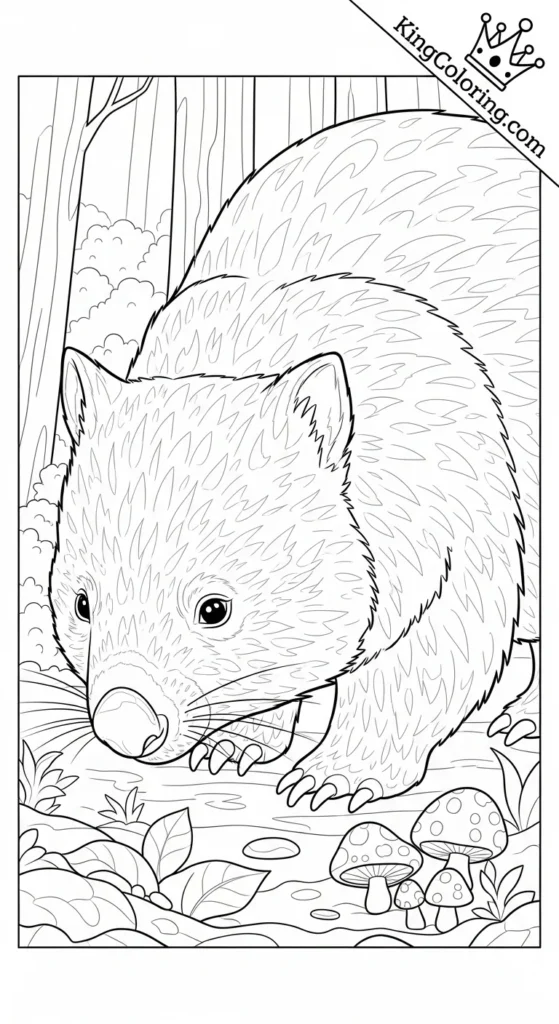
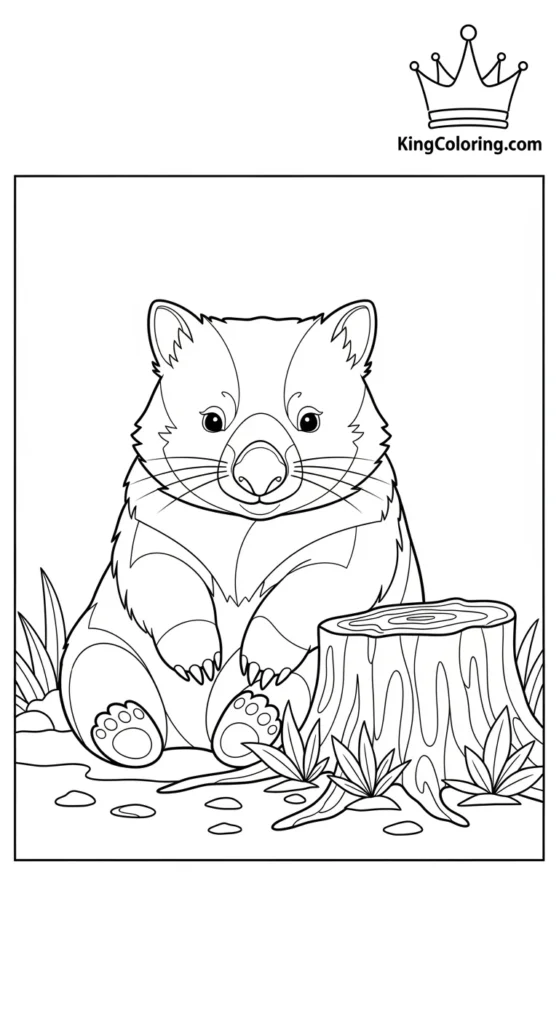
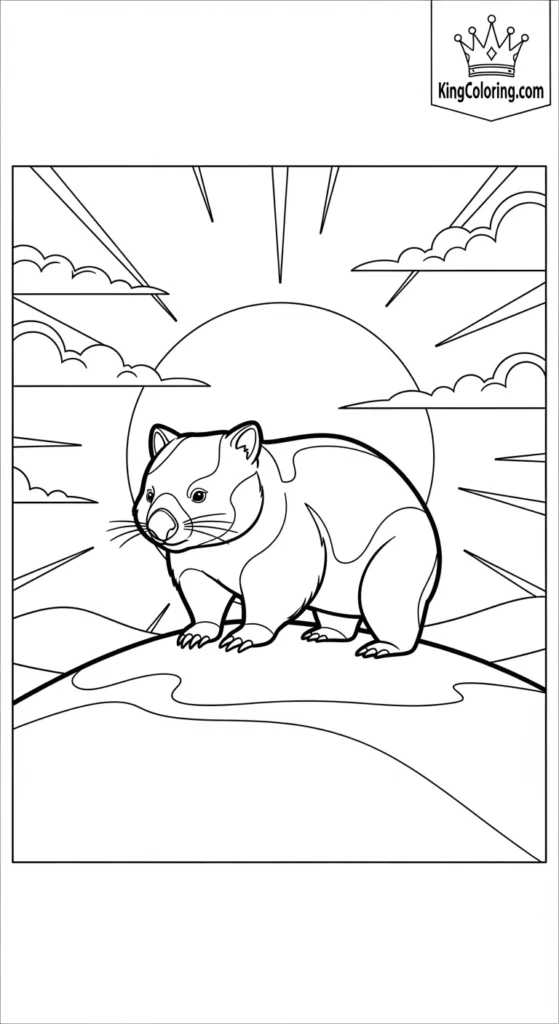
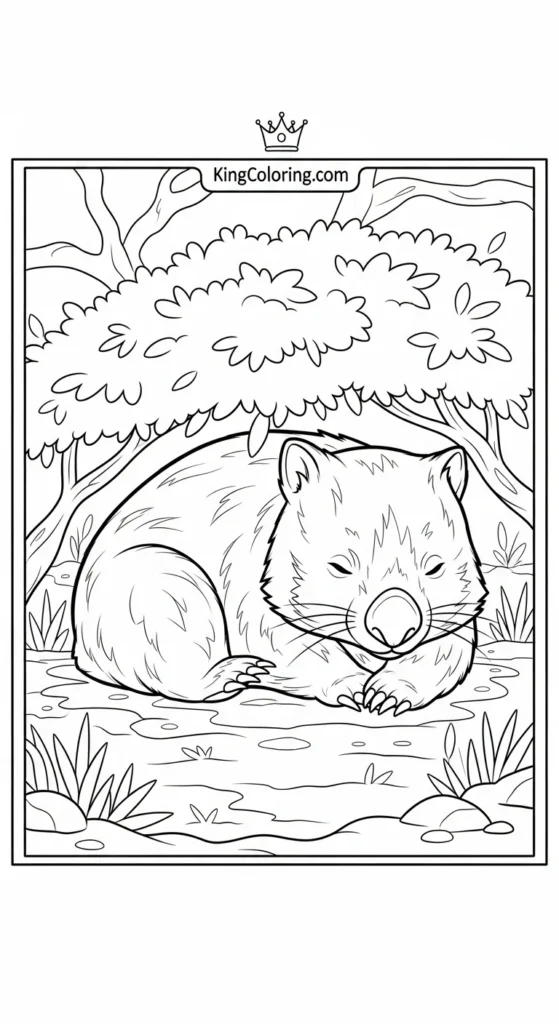
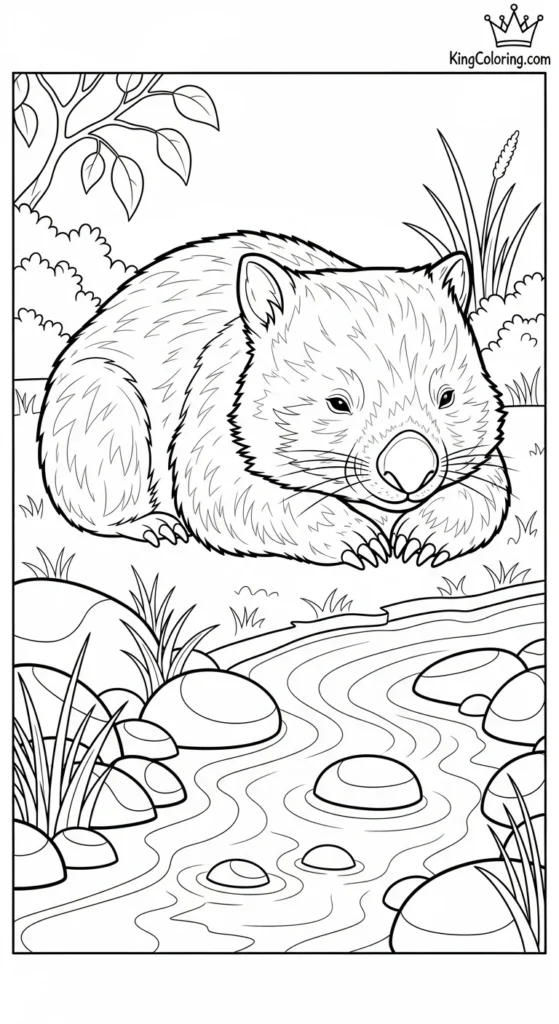
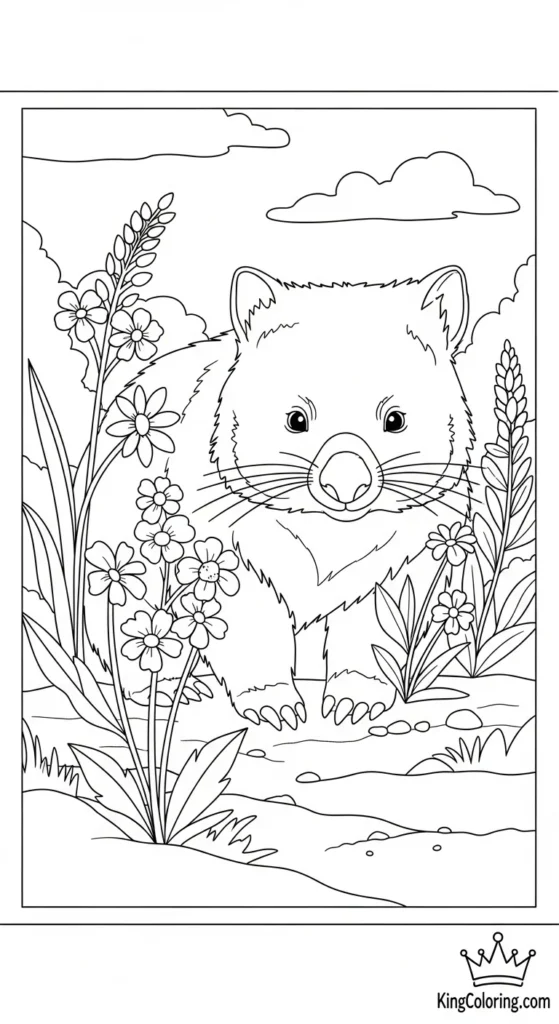

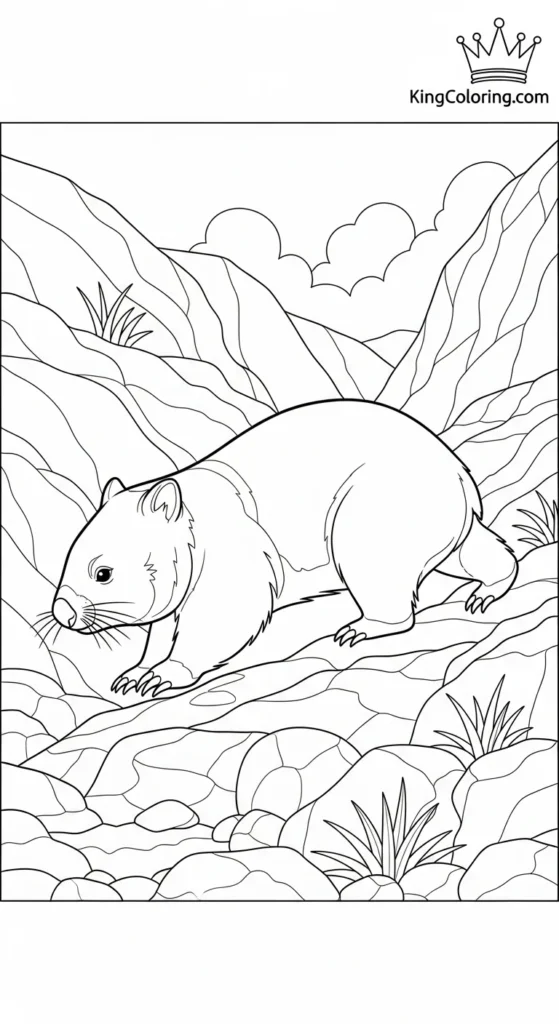
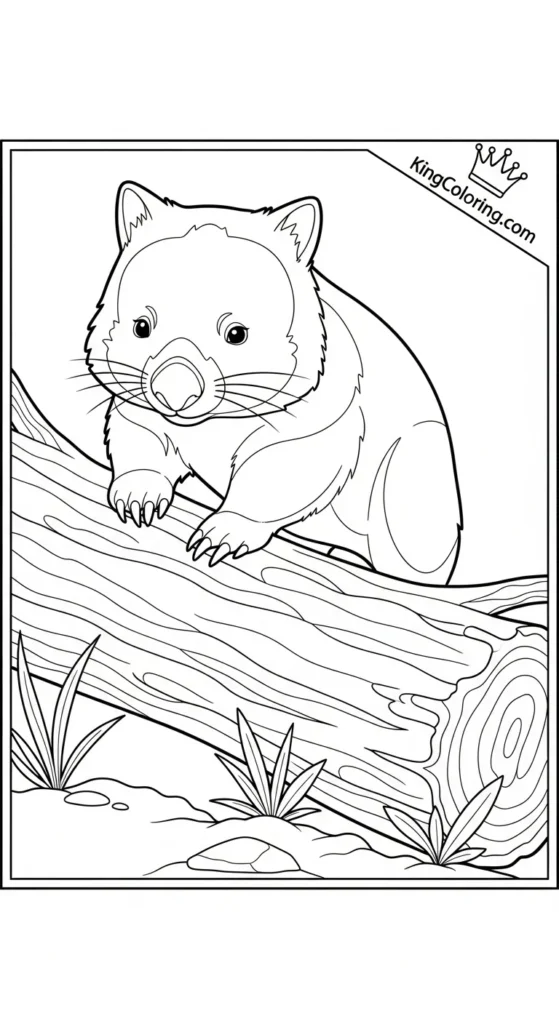
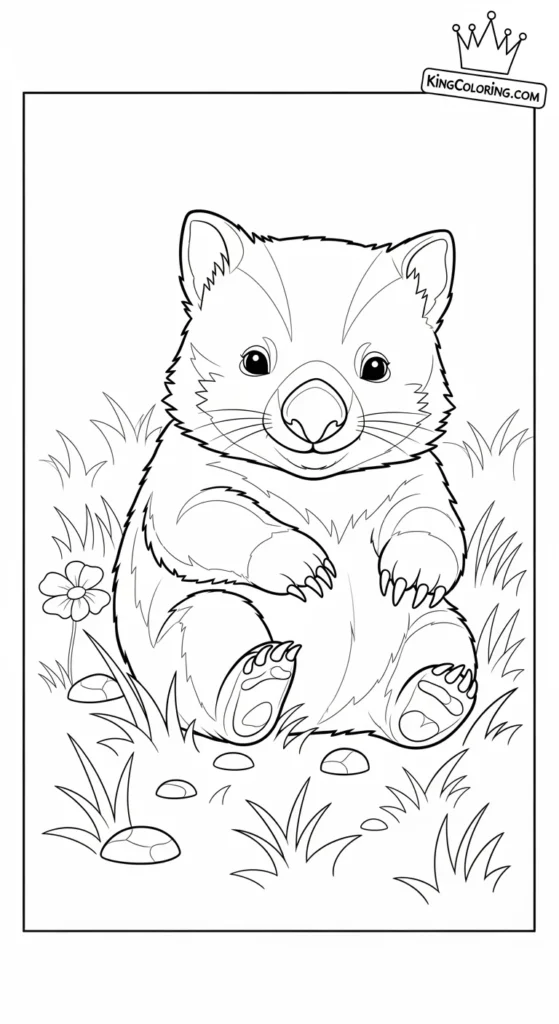
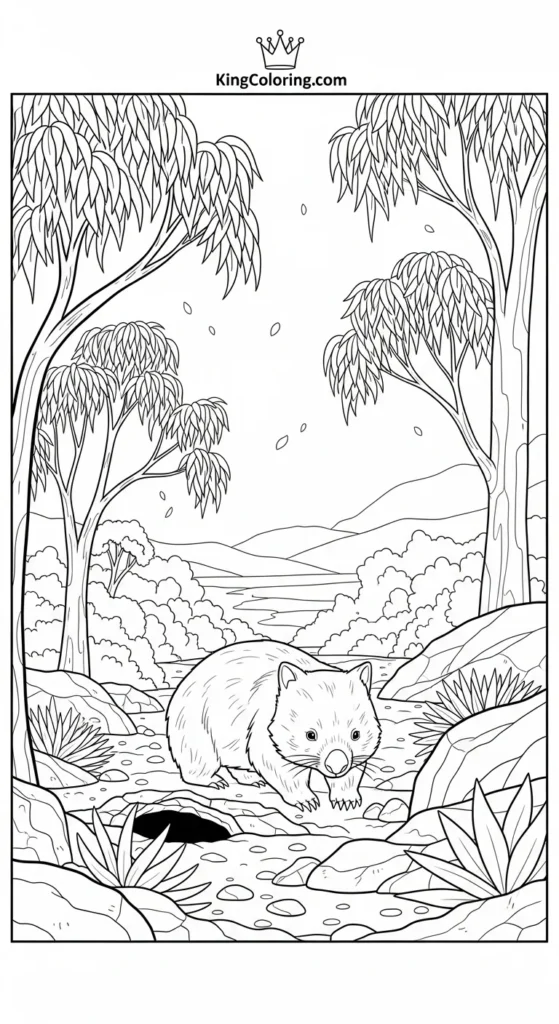
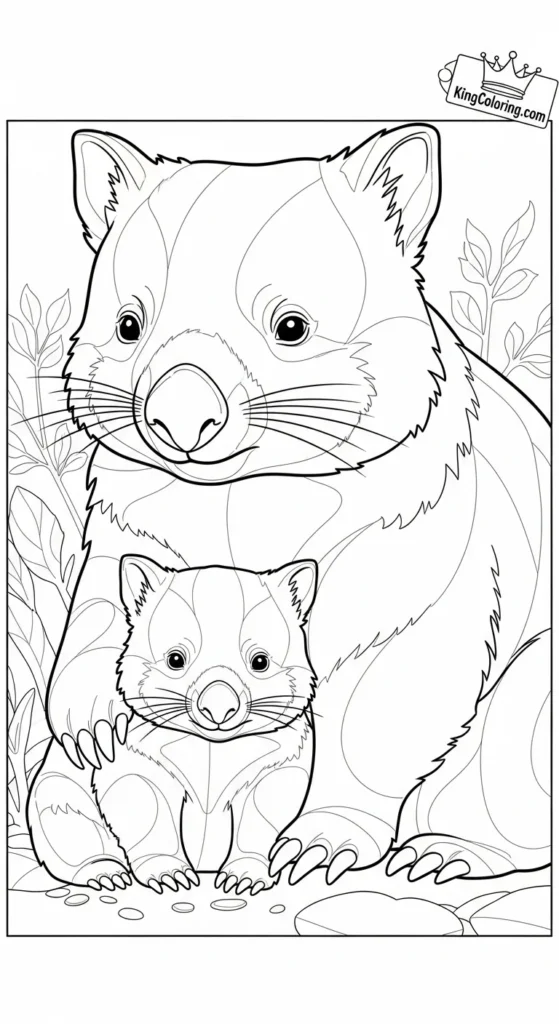
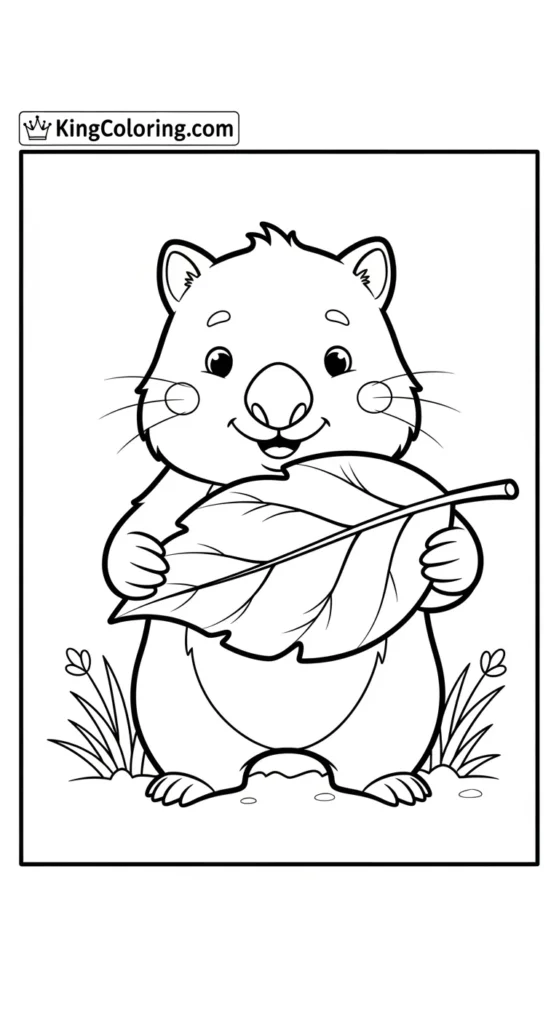
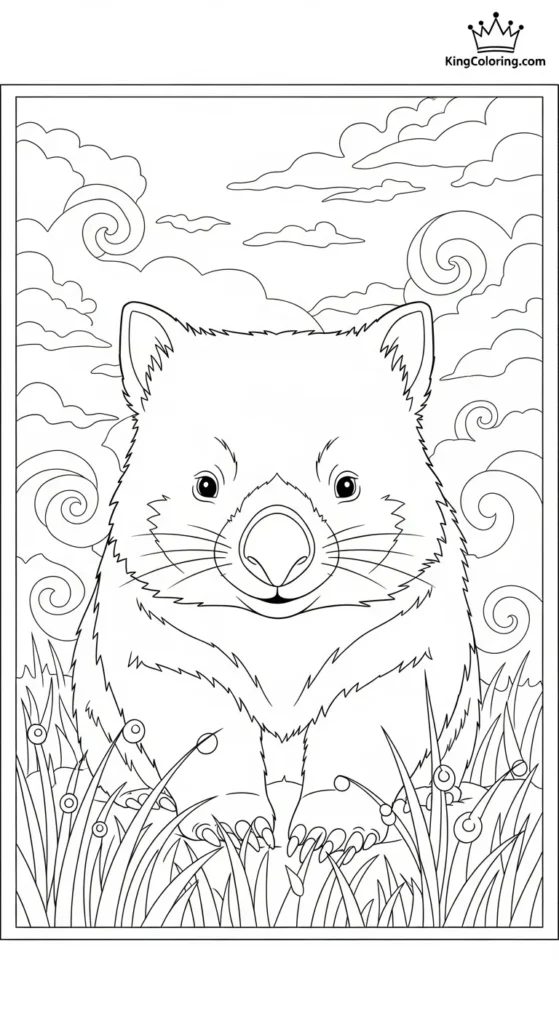
Table of Contents
Learning Goals for Little Hands
These pages do more than entertain—they build foundational skills through playful practice. Here’s how each coloring session supports early development.
Fine Motor Foundations
- Hand Strength: Gripping chunky crayons to fill the wombat’s round body strengthens the small muscles needed for writing later.
- Bilateral Coordination: Holding the paper steady with one hand while coloring with the other builds essential brain-body connections.
- Visual Tracking: Following the wombat’s curved outlines helps develop eye movement skills crucial for reading readiness.
Focus & Patience Practice
- Start with just one section (like the wombat’s tummy) to build attention span gradually.
- Celebrate effort over perfection—every scribble is progress!
- Use a timer for “coloring bursts”: 3 minutes of focused fun, then a wiggle break.
Early Science Curiosity
- Talk about where wombats live (Australian burrows, grasslands) while coloring.
- Discuss how wombats dig tunnels—simple engineering for little minds!
- Compare real wombat photos to your colored version to spark observation skills.
DIY Crafts to Extend the Fun
Turn a simple coloring sheet into an exciting learning journey with these easy extensions. Including Wombat Coloring Pages lets kids discover the fascinating world of wombats while enhancing their fine motor skills.
Simple Projects for Tiny Makers
- Wombat Puppet: Cut out the finished wombat, glue it to a popsicle stick, and add googly eyes for instant storytelling fun.
- Texture Burrow: Use glue to trace the wombat’s path on the printed page, then sprinkle oatmeal or sand for a tactile sensory experience once dry.
- Grassland Diorama: Color multiple sheets, cut them out, and arrange them in a shallow box with cotton-ball clouds and green tissue-paper grass.
Pro Tips for Toddler Success
- Tape the paper to the table to prevent slipping during enthusiastic coloring sessions.
- Offer triangular crayons or pencil grips to support proper finger positioning.
- Keep sessions short (5–10 minutes) and end on a high note—success builds confidence for next time!
Print Your Wombat Pages Perfectly
A clean, well-sized printout makes coloring more enjoyable for small hands. These simple settings help you avoid wasted paper and frustration.
Start by matching your paper size. These files work on both US Letter (8.5 x 11 inches) and A4 (210 x 297 mm). In your print dialog, choose “Fit to Printable Area” to keep the wombat centered without cutting off ears or paws. If edges still vanish, manually set margins to 0.25 inches.
Next, select the right paper type. Standard 20–24 lb copy paper handles crayons and washable markers beautifully. If your toddler prefers finger paints or watercolors, switch to 65–80 lb cardstock to prevent tearing. Enable “Heavy Paper” mode in your printer driver for optimal results.
Finally, set print quality to “High” or “Best.” Draft mode can create faint, broken lines that are hard for little eyes to follow. Dark, continuous outlines help toddlers stay in the general area and feel proud of their creations.
Three quick fixes for common issues:
- Cropped edges? Enable “Scale to Fit” and double-check margin settings in your printer preferences.
- Faint lines? Run a printer head cleaning cycle via the maintenance menu, then reprint at “High Quality.”
- Image too small? Use “Custom Scale” at 105% for a bolder, easier-to-color result for tiny hands.
Explore a Huge Variety of Animal Coloring Pages
Looking for more printable designs? Discover a wide collection of animal coloring pages featuring many species, fun themes, and creative styles for all ages.
Quick Wombat Questions
Got questions about using these pages effectively? Find simple answers below.
What age are these wombat pages best for?
Most designs suit toddlers (2–4), with extra-simple outlines for beginners and slightly more detailed scenes for kids ready for a gentle challenge. Check the gallery notes to match skill level.
Can I use these for preschool or daycare activities?
Absolutely! Print multiple copies for an Australian animals or burrowing creatures unit. The Learning Goals align with early childhood development standards.
Do I need special supplies?
Nope! Standard chunky crayons, washable markers, or even finger paints work great on copy paper. For display-worthy art, try cardstock and thick markers for vibrant, smudge-free results.
How do I download the PDF?
Click the “Download as PDF” note under any gallery item. The file saves to your device—ready to print anytime, even offline.