We offer a wide collection of free, high-quality printable coloring pages for kids and adults. From cute animals to intricate mandalas, our designs bring creativity and relaxation to everyone. Download, print, and start coloring today!


There’s something timeless about flowers. They’re beautiful, they inspire creativity, and they’re instantly recognizable—making them perfect subjects for simple flower coloring pages. Whether you’re a parent looking for low-stress activities for your young children, a teacher seeking engaging classroom materials, a beginner nervous about your coloring skills, or simply someone wanting to unwind with a peaceful, meditative hobby, easy flower coloring pages offer an accessible entry point into the joy of coloring. This comprehensive guide brings together carefully curated simple, printable flower designs organized by style and complexity, complete with print tips, creative project ideas, and mindfulness practices to deepen your coloring experience.
Simple Flower Coloring Pages Is Perfect for Kids & Beginners
Simple flower coloring pages succeed where complex designs can overwhelm. Here’s why they work so beautifully for so many:
Low Barrier to Entry – There’s no pressure to be “good” at coloring. Simple, bold outlines mean you can color inside the lines easily, building confidence from the first stroke. Young children and beginners don’t worry about ruining their work; they focus on enjoying the process.
Natural Subject Matter – Flowers are familiar and beloved. Kids have seen flowers; they recognize petals, stems, and leaves. This familiarity makes the activity feel approachable rather than intimidating, and it sparks natural conversations about flowers they’ve seen or grown.
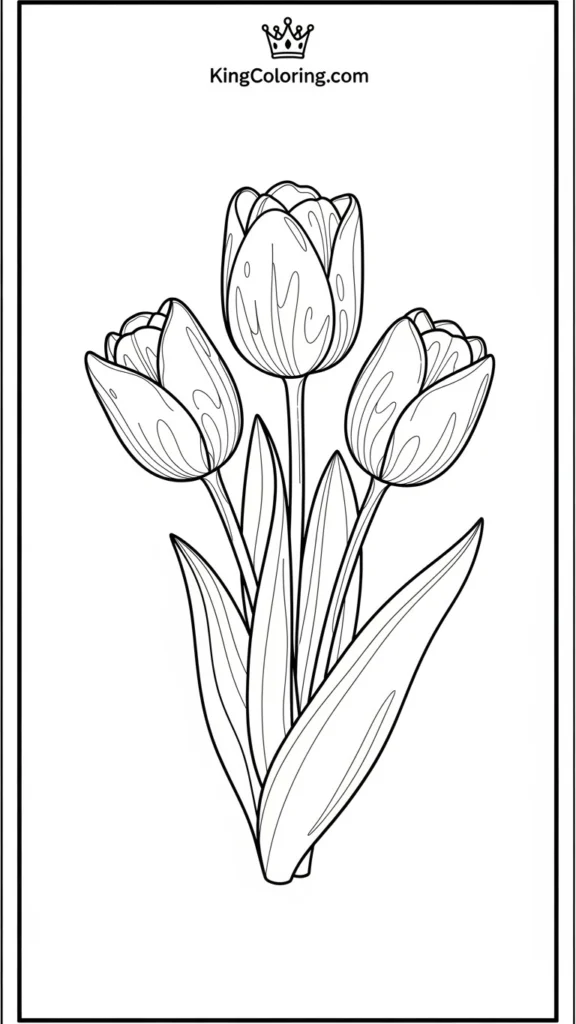
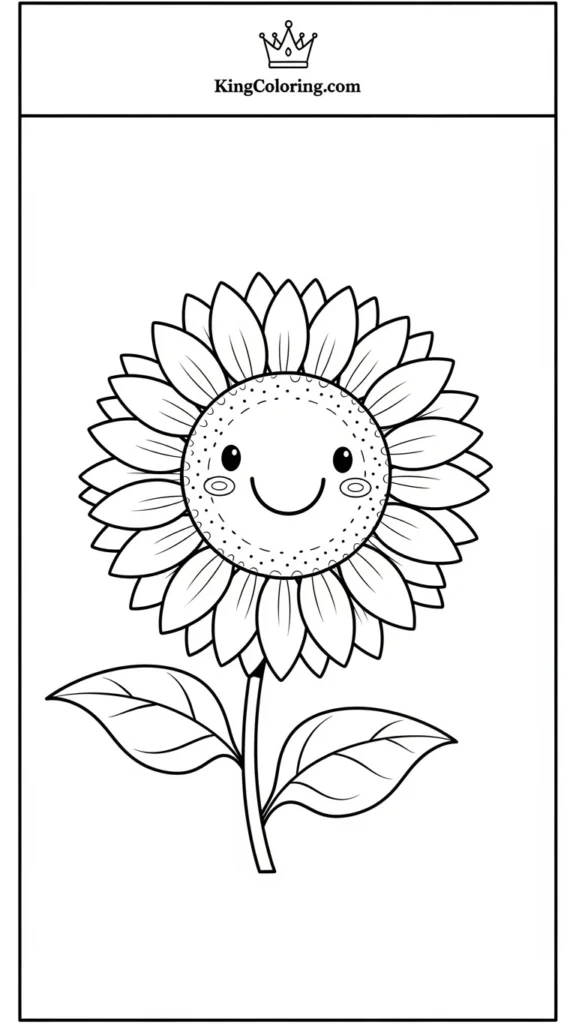
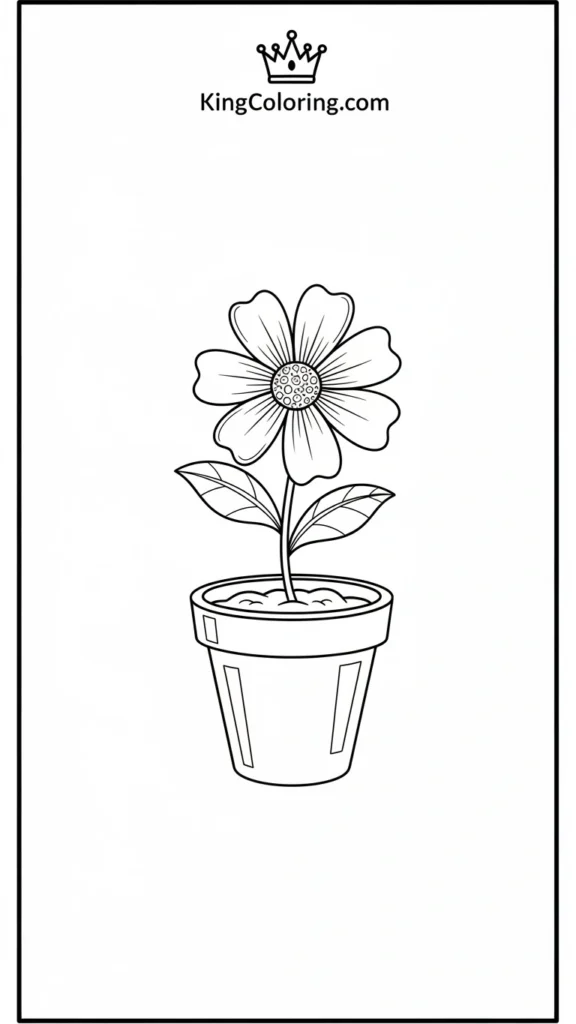
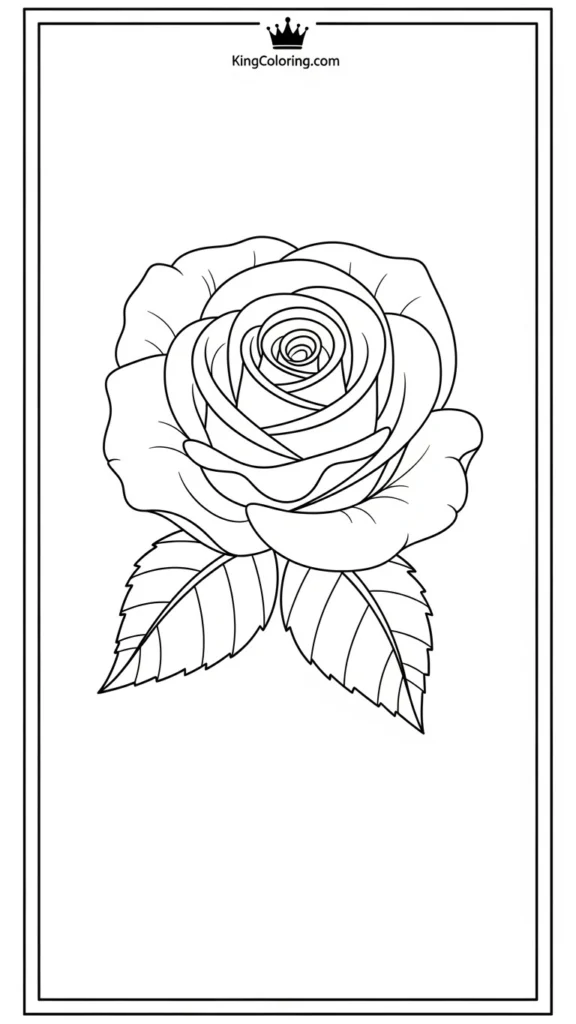
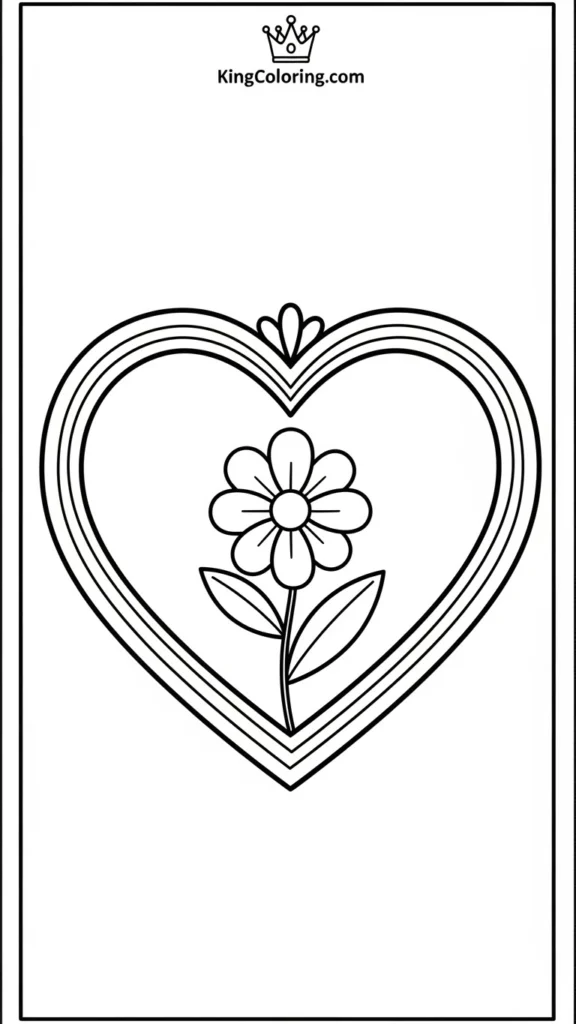
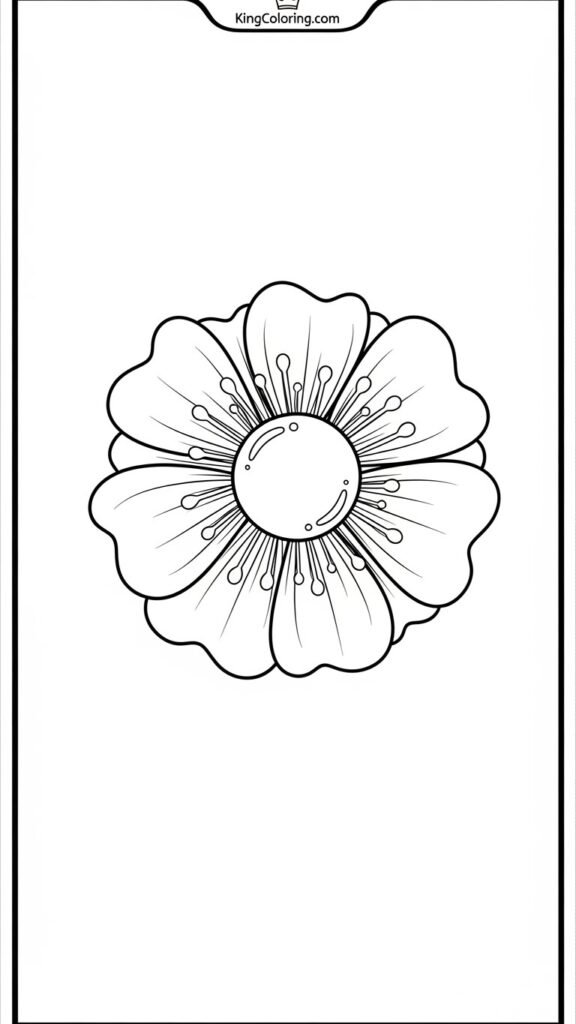
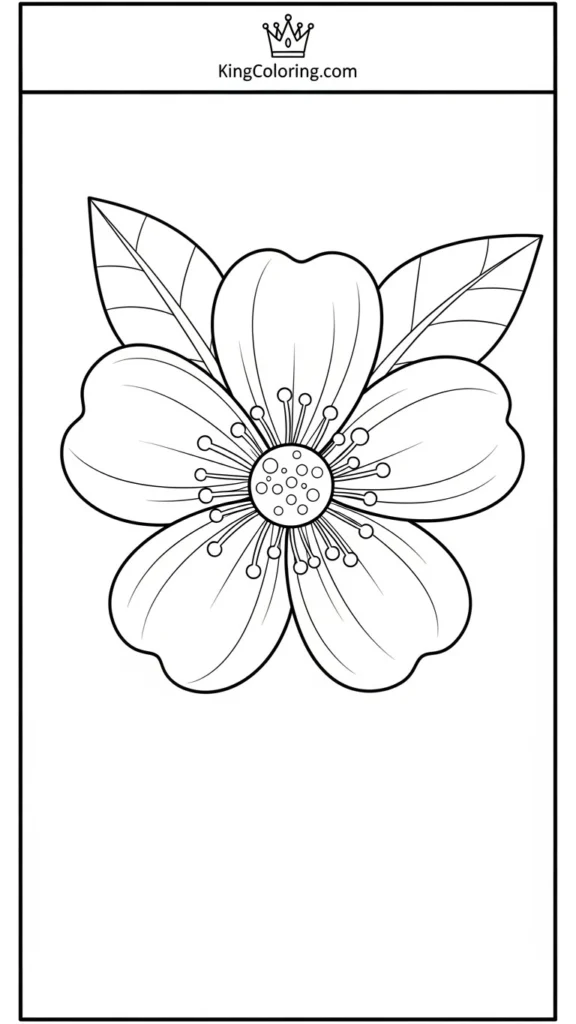
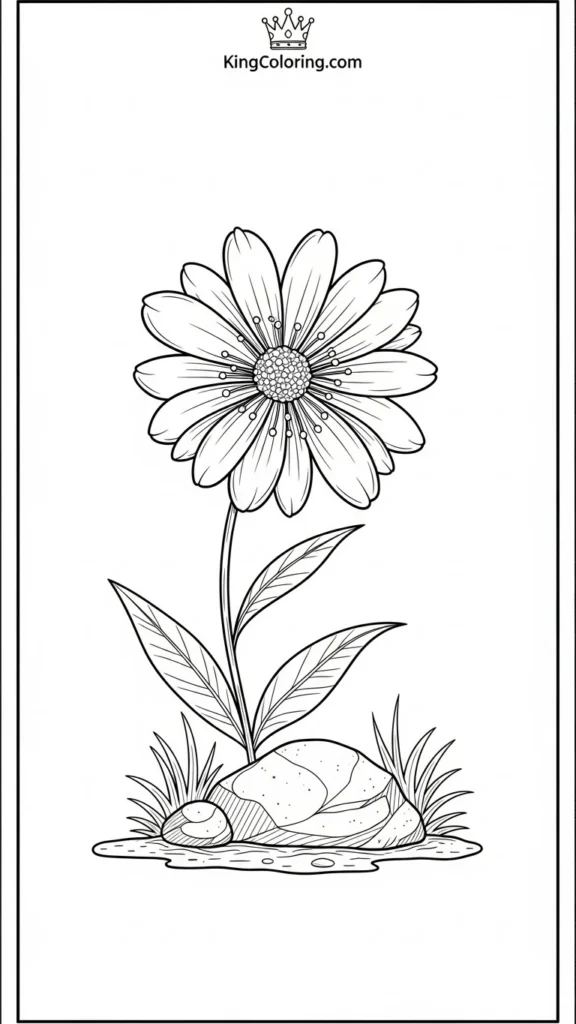
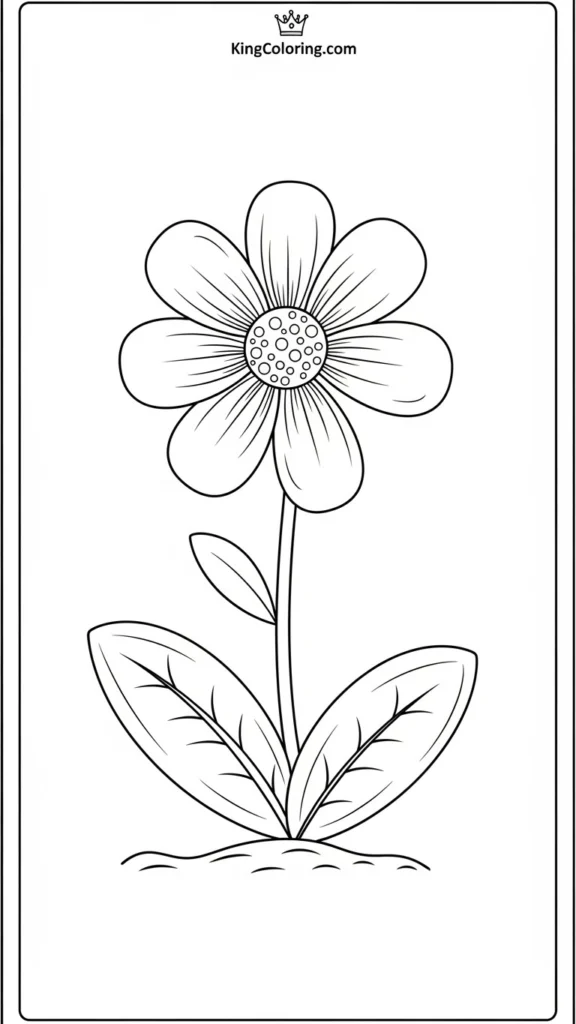
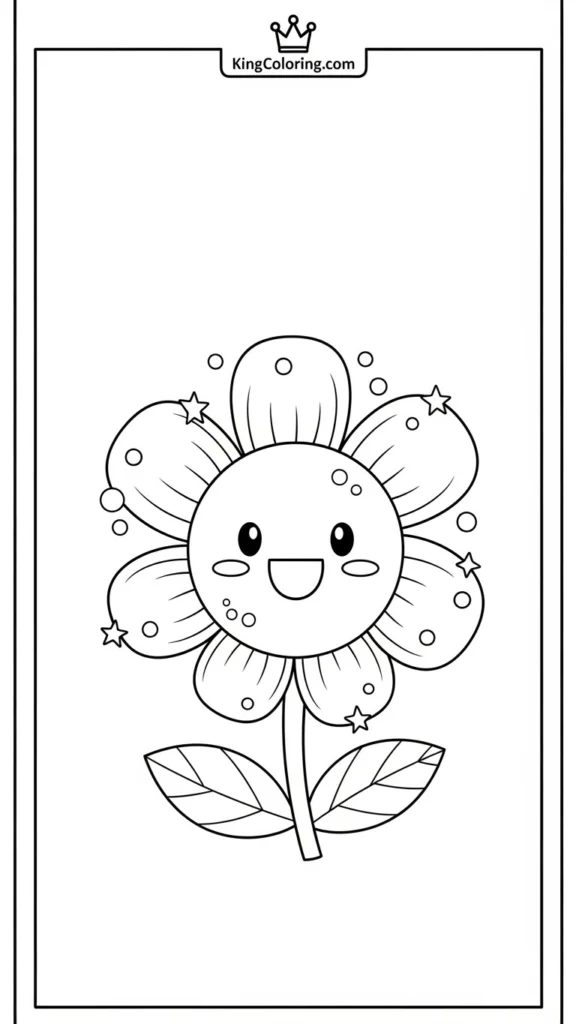
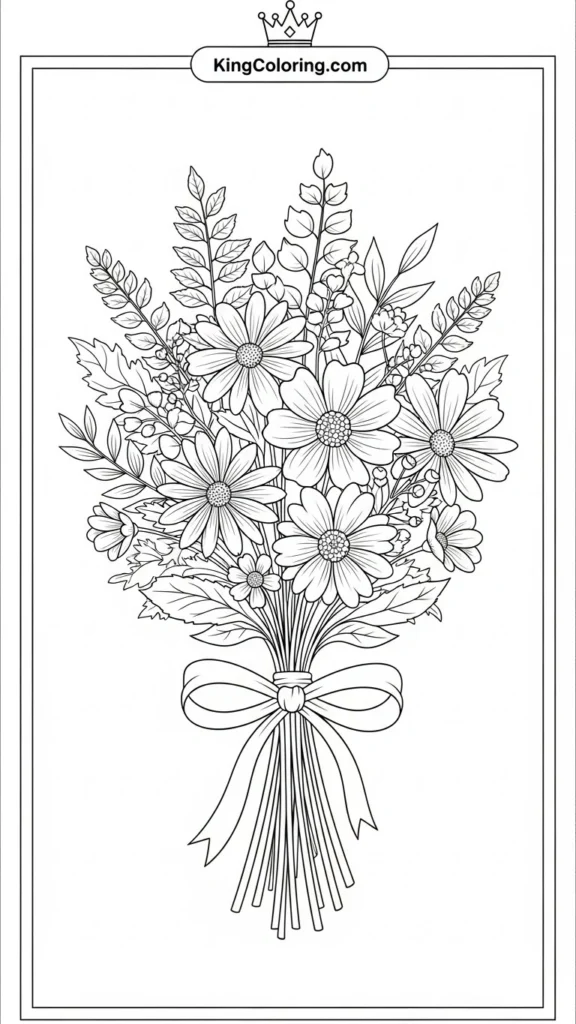
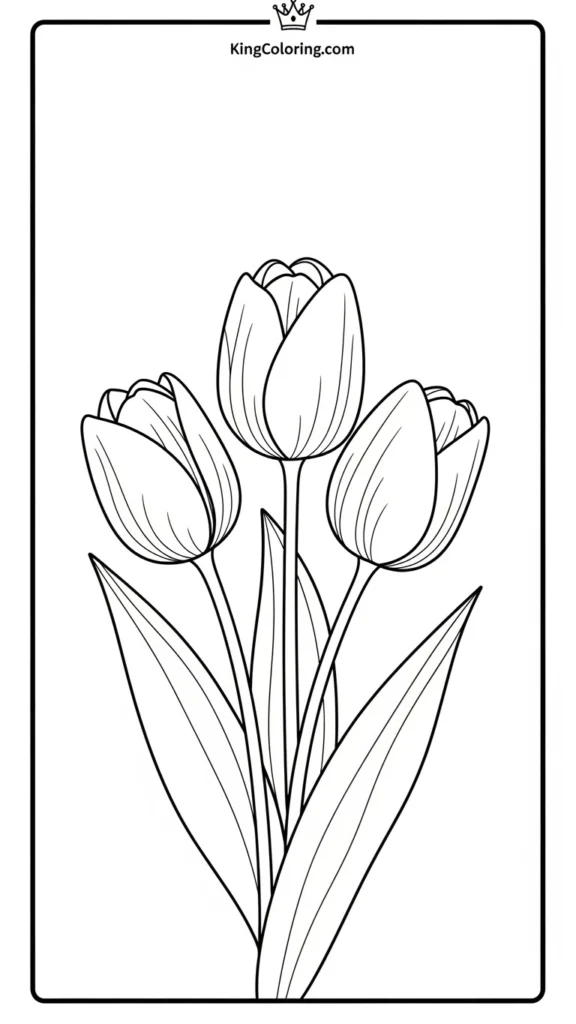
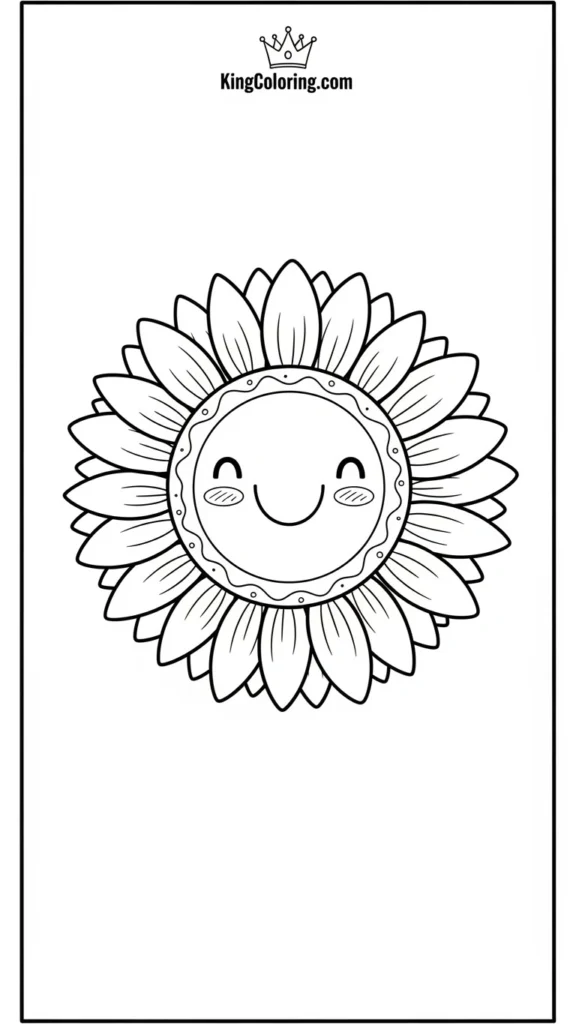
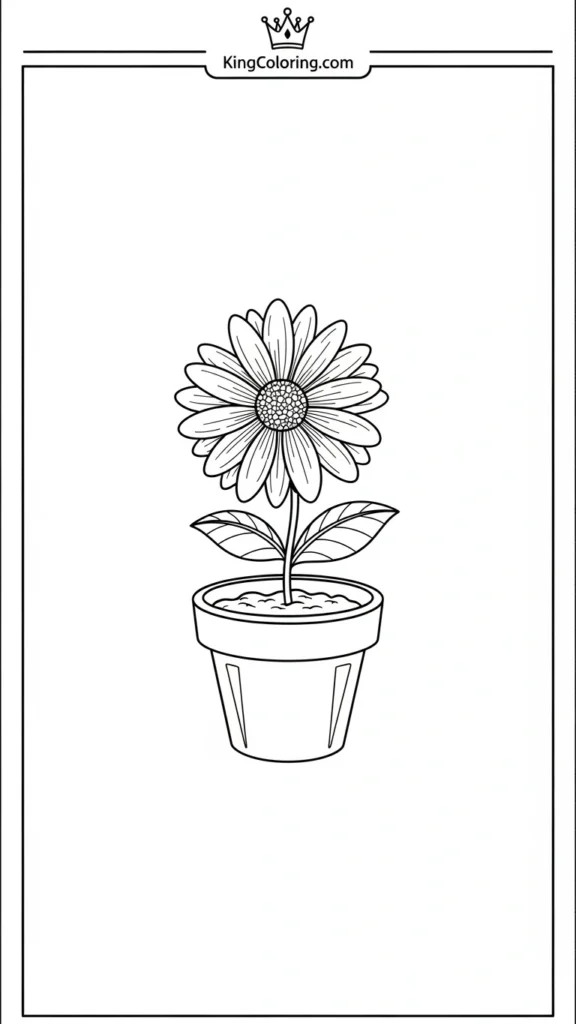
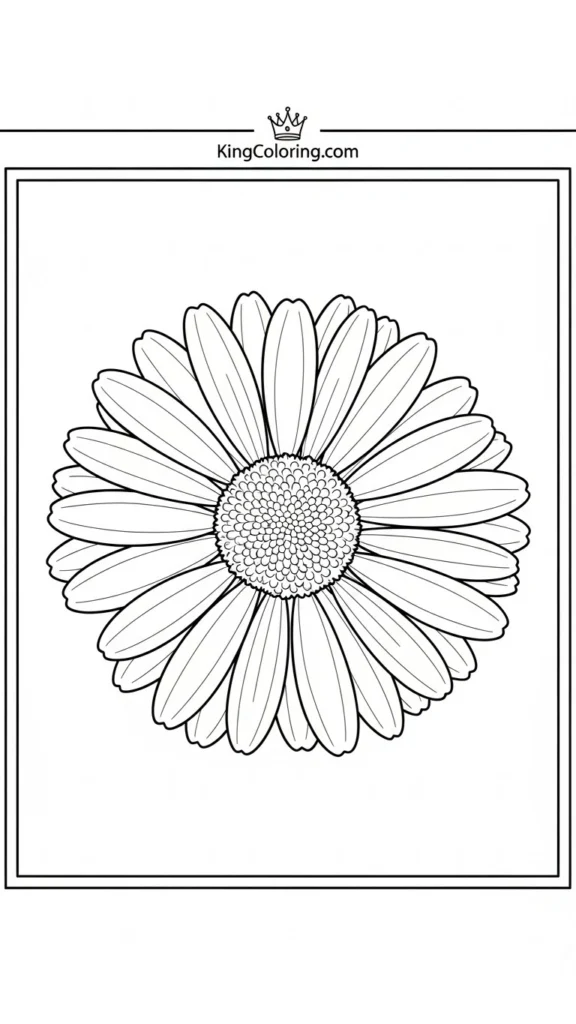
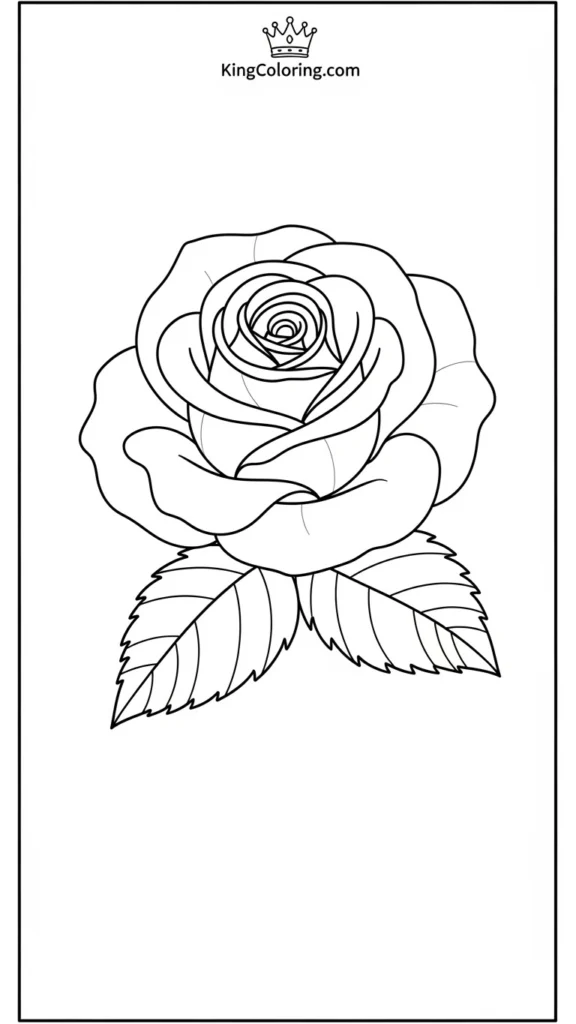
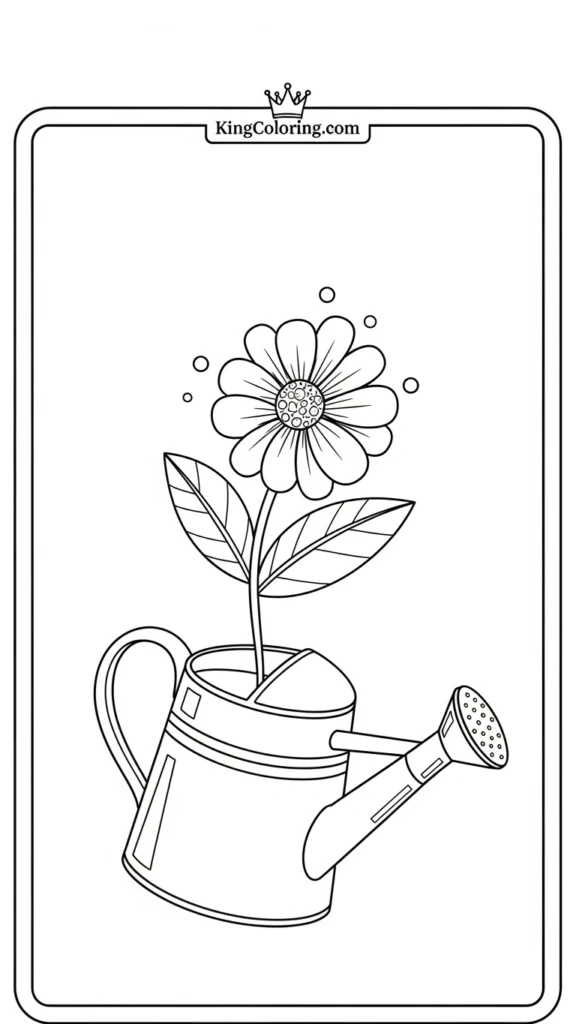
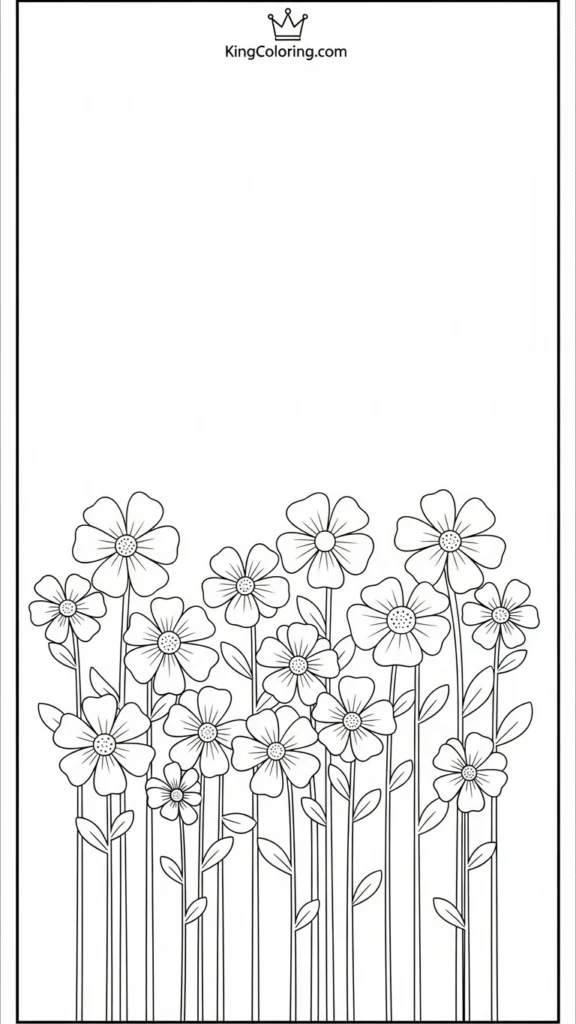
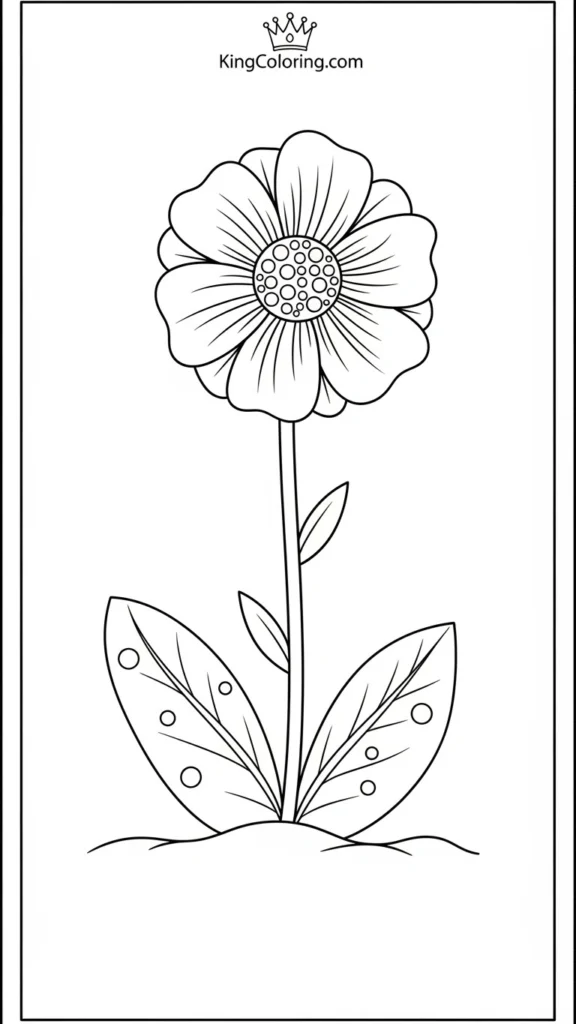
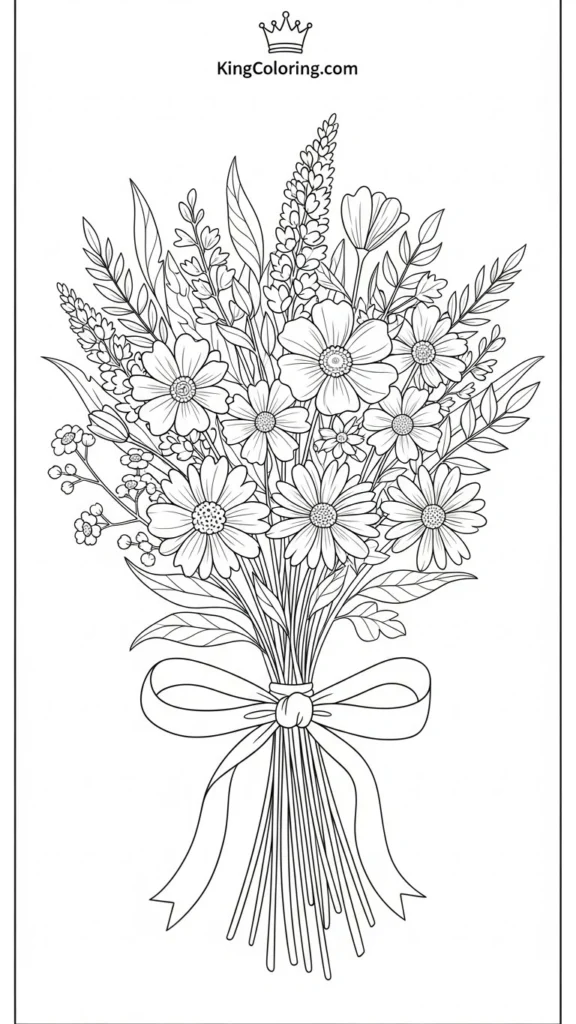
Table of Contents
Easy Printable Flower Coloring Pages by Style
Organizing by style helps you find exactly the type of simple flower design that appeals to you or your child.
Simple Single Flowers (Tulip, Daisy, Sunflower)
Sometimes, less is more. Single-flower designs focus attention and celebrate the beauty of individual blooms:
- Tulips with simple curved petals and straight stems – Iconic spring flowers with clean, symmetrical shapes perfect for first-time colorers. Minimal detail means maximum confidence. Try realistic reds and pinks, or experiment with electric blues and orange-striped combinations.
- Daisies with classic petal arrangement and circular centers – The iconic daisy shape (ring of petals around a center) is instantly recognizable and highly satisfying to color. The repetitive petals create natural rhythm, making the activity meditative. Centers are perfect for practicing consistent pressure and shade variation.
- Sunflowers with radiating petals and seed-filled centers – Large, cheerful, and forgiving. Sunflowers’ natural size and bold structure make them ideal for young colorers. The seed center offers a fun opportunity to practice repetition and pattern-making with small dots or swirls.
- Roses with layered petals and simple leaves – Slightly more detailed than tulips but still beginner-friendly. Roses teach about shading and layering; you can color each petal slightly differently to create depth without complexity.
- Orchids and other simple exotic flowers – Introduce children to flowers beyond the typical garden variety. Unique shapes spark curiosity and conversation about different flowers around the world.
Single-flower pages work wonderfully for framing, card-making, or displaying as achievement pieces. They’re also ideal for tracing practice, pattern exploration, and experimentation with new coloring supplies.
Cute Cartoon Flower Faces & Kawaii Blossoms
Adding faces and personality transforms simple flowers into charming characters:
- Flowers with cheerful faces (eyes, nose, smiling mouths) – Anthropomorphic flowers become instant friends. Kids naturally want to give them colors and personalities. A blue flower with a happy smile feels more engaging than a realistic blue flower.
- Flowers wearing hats, bows, or cute accessories – Whimsy and playfulness emerge when flowers have character. A daisy wearing sunglasses or a tulip with a bow encourages imaginative thinking and personal expression through color choices.
- Grouped flower characters holding hands or hugging – Small groupings create simple narratives. Are these flowers friends? Family? Celebrating together? Open-ended character designs spark creativity and storytelling.
- Flowers in pots or planters with expressive containers – A smiling flower pot adds charm. These designs naturally expand your coloring area (pot decoration patterns, soil texture) while remaining simple and approachable.
- Garden scenes with multiple cute flowers interacting – Slightly more complex than single characters, grouped cute flowers still maintain simplicity. The interaction between characters invites imaginative interpretation.
Cute cartoon flowers appeal especially to younger children and playful adults. The personality makes coloring feel like bringing characters to life rather than simply coloring a botanical subject. These pages are perfect for storytelling, gifts for friends, and decorating personal spaces.
Simple Flower Bouquets & Arrangements
Bouquets offer slightly more complexity while maintaining simplicity through organization:
- Clustered flowers with varied heights and simple ribbon or bow – Multiple flowers in one design create visual interest without overwhelming complexity. Varied heights teach proportion naturally. A simple bow adds a decorative element that’s easy to color.
- Flowers in a simple vase or jar with minimal background detail – The containing vessel grounds the composition while keeping focus on flowers. Vases offer opportunities to practice symmetry and pattern (stripes, polka dots, geometric designs).
- Mixed bouquets with different flower types clearly outlined – Introduce variety while maintaining ease. Kids learn to distinguish between flower types by coloring them differently. Multiple flower shapes keep attention engaged.
- Hand-held bouquets tied with twine or ribbon – Romantic and sweet without being complex. Great for Mother’s Day, Teacher Appreciation Week, or Valentine’s Day themed coloring.
- Seasonal flower arrangements – Spring bulbs clustered together, summer wildflowers in loose groupings, autumn foliage with simple flowers, winter holiday floral designs—seasonal bouquets connect coloring to the calendar.
Bouquet pages work beautifully for greeting cards, gift wrapping inspiration, and teaching composition basics (arrangement, balance, color harmony). They’re slightly more ambitious than single flowers, making them ideal for children advancing their skills.
Easy Garden Flower Scenes
Garden scenes add context and environment while remaining simple:
- Flowers in a row (flower bed or garden row) – Multiple identical or similar flowers lined up create satisfying symmetry. Great for younger children who enjoy repetition and pattern. Changes in color from flower to flower create visual movement.
- Garden with simple grass, soil, and flowers – Introduces basic background elements without overwhelming detail. Sky, grass, and flowers teach layering and foreground-background relationships simply and intuitively.
- Flowers with butterflies, bees, or ladybugs – Nature’s companions add charm and story. Simple insects encourage observation and discussion: “What flowers do bees like?” These pages naturally lead to learning about nature and pollination.
- Cottage garden with fences, paths, and clustered flowers – Slightly more ambitious scenes that still maintain simplicity through clear outlines and uncluttered composition. Paths, fences, and garden structures feel manageable when well-outlined.
- Potted flowers on a windowsill or garden shed – Flowers in context (the place they live or are displayed) add narrative dimension. A simple window frame or shelf becomes part of the story, giving context to the flowers.
Garden scenes are perfect for discussing nature, environment, and seasons. They spark curiosity (“What grows in a garden?”) and naturally extend conversations beyond the coloring itself. These pages work well for bulletin boards in schools and classrooms, combined groupings, and as springboards for nature projects.
How to Print These Pages (Best Paper & Pencil Tips)
Printing for Success
Download at Proper Resolution – Ensure your simple flower coloring pages printable PDF downloads at 300 DPI (dots per inch) minimum. Higher resolution guarantees sharp, crisp lines that are easy to color within. Lower resolution results in fuzzy or pixelated outlines that frustrate colorers and make precision difficult.
Choose Paper That Works – Paper quality directly impacts the coloring experience:
- Standard printer paper (20 lb) – Budget-friendly and suitable for crayons, colored pencils, and most markers. Best for practice pages, classroom use, or high-volume printing.
- Cardstock (65–110 lb) – Premium feel; prevents marker bleeding; holds up to erasure without damage. Ideal for pages you’ll frame, keep long-term, or gift. Worth the cost for special pages.
- Specialty coloring paper – Smooth, tooth-textured surfaces designed specifically for markers or colored pencils. These papers enhance color vibrancy and allow for blending and layering. Best for serious coloring enthusiasts.
- Watercolor or mixed-media paper – If you plan to combine coloring methods (marker base + colored pencil detail, coloring + watercolor wash), use paper rated for multiple media.
Avoid glossy or heavily textured papers, as markers may skip or pool, and color application becomes uneven.
Optimize Your Settings – Print in black and white to preserve ink and maintain bold, visible outlines. Select “normal” or “standard” quality (not draft, which risks faint lines, or high quality, which uses excess ink). For best results on cardstock, adjust your printer settings to “cardstock” or “thick paper” if available.
Size Matters – Consider your intended use:
- Smaller format (5″ × 7″) – Perfect for cards, bookmarks, scrapbooking, or portable coloring on the go
- Standard letter (8.5″ × 11″) – Comfortable working space; professional appearance; suitable for framing
- Larger format (11″ × 14″) – Allows for more detail work; excellent for group coloring activities or display
Coloring Supply Tips for Simple Flower Pages
Crayons – The classic choice for young children. Offer full spectrum of colors, easy grip for small hands, and forgiving application. Encourages bold, confident coloring. Fewer blending options but unlimited creative freedom.
Colored Pencils – Offer precision and blending potential. Layer colors to create gradients and depth. Great for teaching color theory (how colors change when layered). Require sharper points but produce refined results.
Markers – Bold, vibrant color application; quick coverage; satisfying results. Choose washable markers for young children. Water-based markers blend beautifully; alcohol-based markers offer permanence. Avoid bleeding through thin paper.
Mixed Media – Combine methods for rich results. Start with colored pencil outlines, layer markers, add details with gel pens or metallic pencils. This approach suits older kids and adults seeking sophisticated results.
Color Choices for Simple Flowers – With easy flower coloring pages, embrace both realistic and imaginative palettes. A real daisy is white with yellow center, but a purple daisy with blue center is equally valid. Encourage exploring unexpected color combinations; there’s no “wrong” choice in creative coloring.
Creative Activities Using Flower Coloring Sheets
Your finished pages deserve to become something more than stacked papers tucked in a drawer.
Make Your Own Flower Cards & Wall Art
Greeting Cards – Cut a colored flower page to fit a folded cardstock base. Add a simple message inside (“Get Well Soon,” “Happy Birthday,” “Thinking of You”). Handmade cards carry genuine warmth that store-bought cards cannot match. Recipient often treasures homemade cards far longer than commercial alternatives.
Thank You Cards – Create personalized thank-you cards featuring colored flowers. Teachers especially appreciate handmade cards from students. The effort and creativity communicate genuine gratitude.
Gift Tags – Trim a small colored flower design and attach to wrapped gifts. Custom tags elevate simple presents and add personal touch. Laminate for durability and reuse across multiple gifts.
Framed Wall Art – Frame your favorite finished pages in simple wood frames, colorful frames, or floating frames. Create a gallery wall in a child’s bedroom, playroom, kitchen, or classroom. Rotate designs seasonally or when you complete new pages. Artwork sourced from personal coloring projects feels more meaningful than prints.
Canvas Transfers – Transfer a colored flower design onto canvas using transfer paper or gel medium, then paint or shade further with acrylics for a mixed-media piece. Frame or display as original artwork.
Wall Decals – Print colored designs on adhesive-backed sticker paper and apply directly to walls. Perfect for renters and those seeking easily changeable décor. Create a flower garden wall in a nursery or child’s room.
Flower Coloring for Mindfulness & Calm
Mindful Coloring Practice – Set aside dedicated time for coloring as a form of active meditation. Silence your phone, eliminate distractions, and focus entirely on the act of coloring. Notice the sensation of the pencil or marker on paper, observe color choices emerging, breathe deeply. Many find this as calming as traditional meditation.
Stress Relief Routine – Use simple flower coloring pages as a daily or weekly stress-management tool. After a difficult day or week, settle into coloring to process emotions and restore calm. The gentle, repetitive activity naturally lowers heart rate and blood pressure.
Guided Coloring Sessions – Practice mindfulness while coloring by narrating your experience silently: “I’m choosing this soft green for the stem. I notice how the crayon feels smooth in my hand. The flower is beginning to come alive with color.” This narration anchors your mind in the present moment.
Color Emotion Exploration – Notice how different colors affect your mood. Does red feel energetic? Does blue feel peaceful? Does yellow feel cheerful? Use easy flower coloring pages to explore color psychology and emotional response. This deepens both the coloring and meditation experience.
Group Coloring Sessions – Coloring together in silence or with gentle background music creates community calm. Families, classrooms, or friend groups can color simultaneously, then share their pages and notice variations in style, color choice, and approach. This normalizes creative expression and celebrates diversity.
Journaling & Reflection – After coloring, journal about your experience. “How did this feel? What colors did I gravitate toward? What surprised me?” Connecting coloring to written reflection deepens the mindfulness practice and creates a record of your creative journey.
Begin Your Flower Coloring Journey Today! Download your first simple flower coloring pages printable, gather your favorite coloring tools, and experience the quiet joy of bringing flowers to life on paper. Whether you’re coloring with a child, teaching a classroom, or seeking a moment of personal calm, you’re choosing an activity that soothes the mind, engages creativity, and celebrates the timeless beauty of flowers. Every page you color is an act of mindfulness, play, and gentle self-care.
Find Your Next Coloring Page
Enjoying these cute and simple designs? This page is only a sneak peek! Head back to our Cute and Simple Coloring Pages Collection for more sweet, easy-to-color pages made for relaxing fun.
Happy coloring! 🌸✨