We offer a wide collection of free, high-quality printable coloring pages for kids and adults. From cute animals to intricate mandalas, our designs bring creativity and relaxation to everyone. Download, print, and start coloring today!

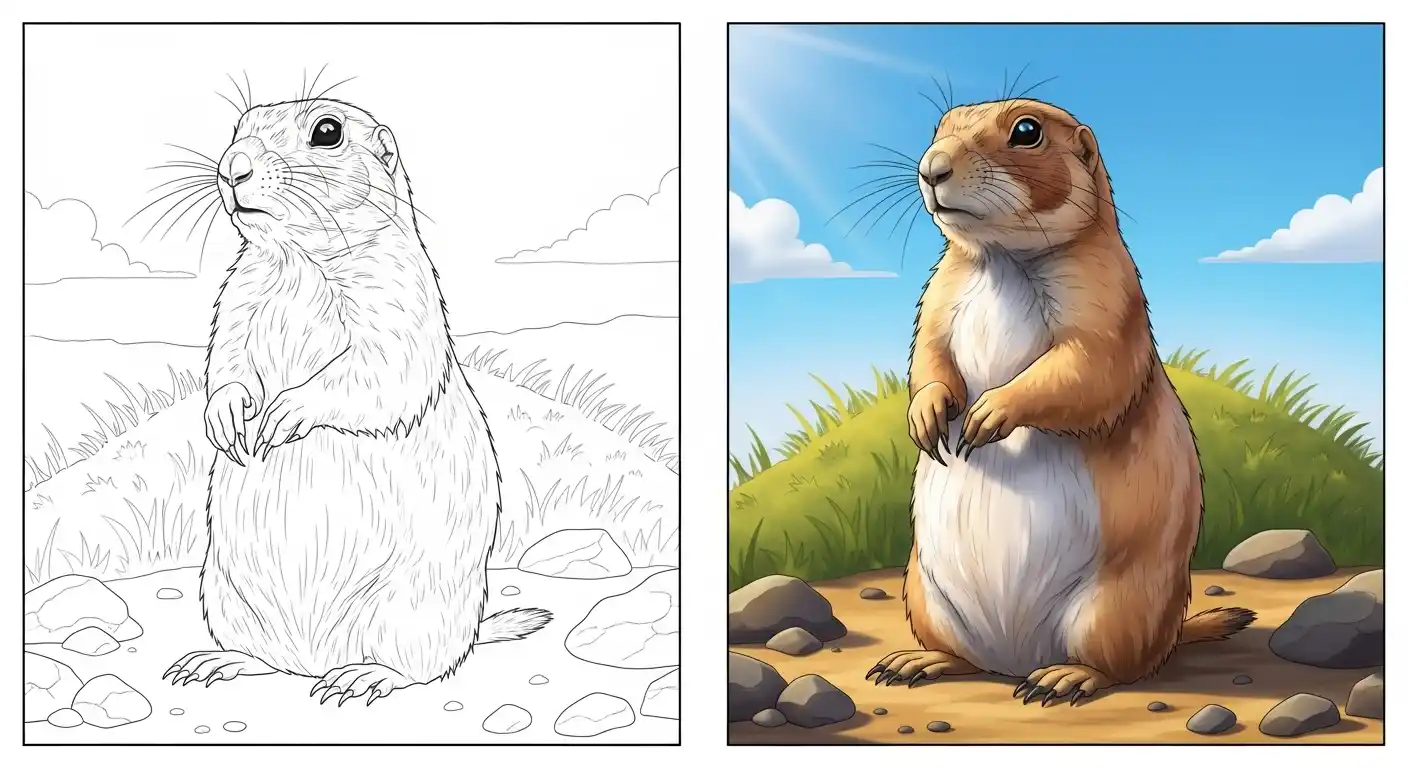
These busy burrowers are ready to hop onto your printer paper and into your classroom. If you are searching for prairie dog coloring pages that blend science curriculum with creative fun, you have landed in the right spot. These printables help students explore grassland ecosystems while practicing fine motor skills. Perfect for morning work, science centers, or early-finisher activities, each sheet is designed to spark curiosity about these social little mammals.
Print one for every desk or let students choose their favorite design. The clean lines and clear details make them easy to color with standard classroom supplies. Let’s meet the colony and find the perfect page for your next lesson.
Prairie Dog Coloring Sheets
Browse this collection to match a page with your lesson goals or student interests. Each design offers a different learning hook or artistic challenge.
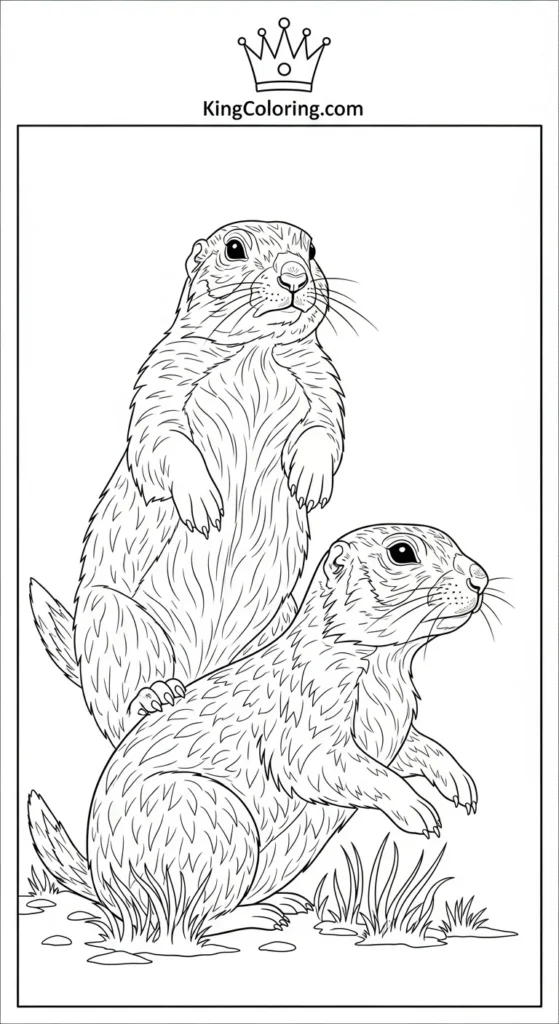
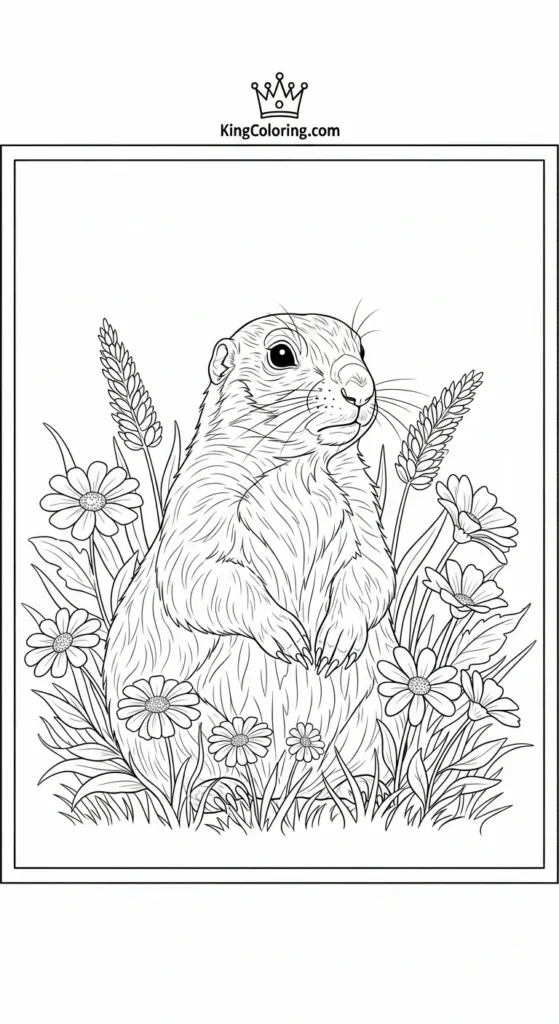
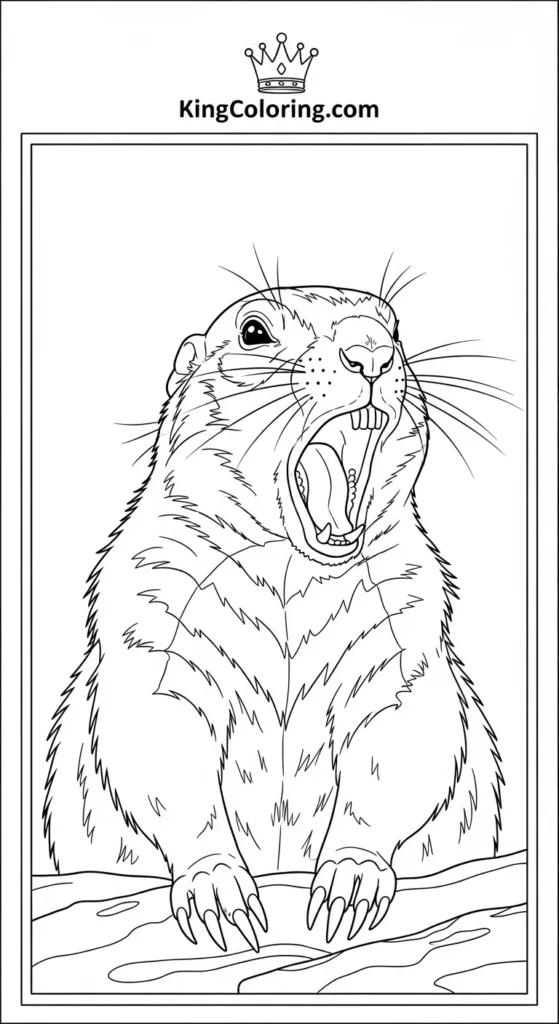
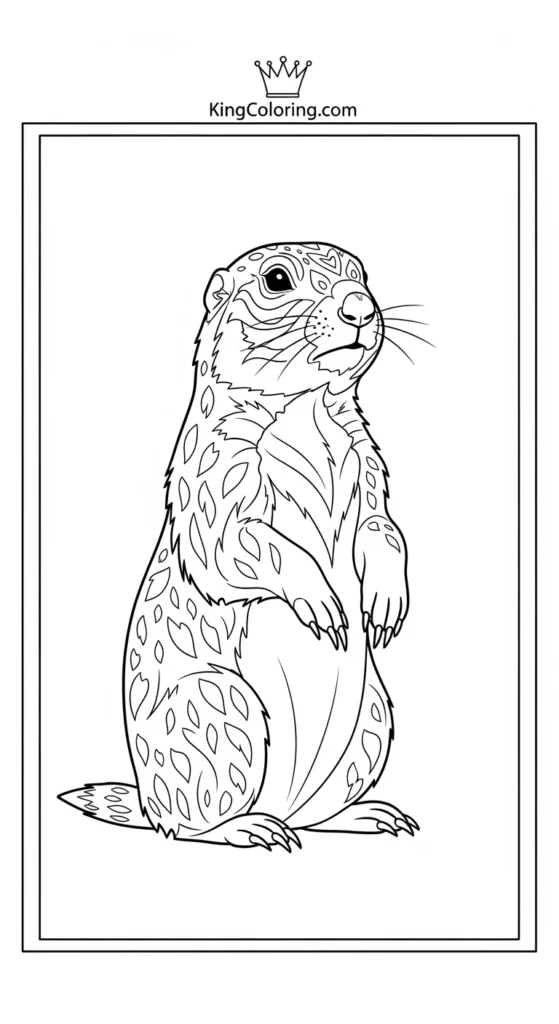
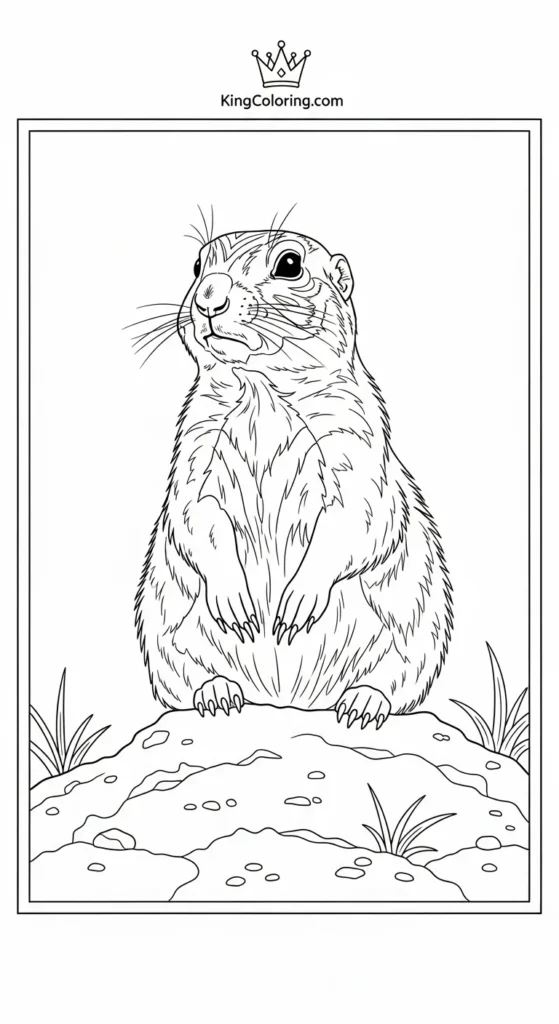
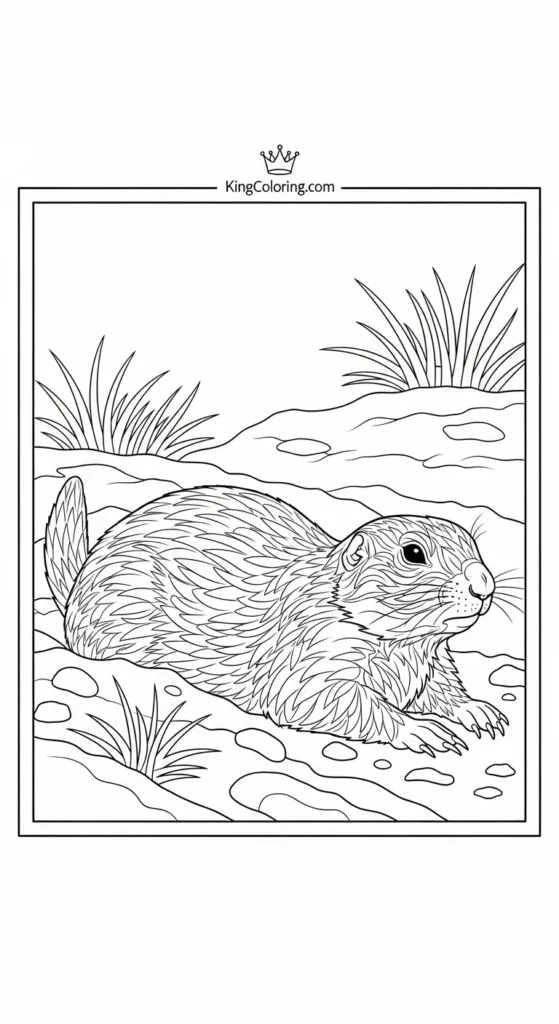
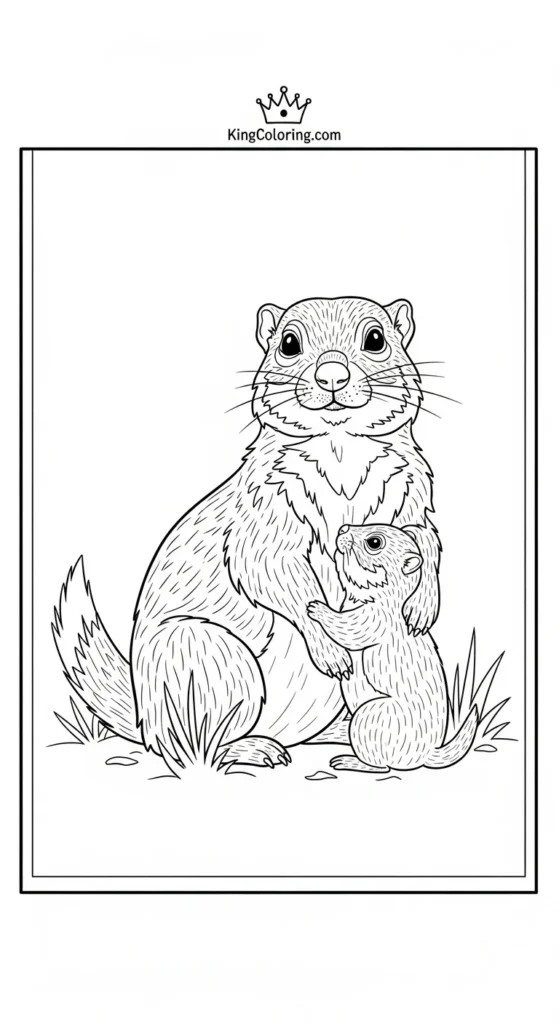
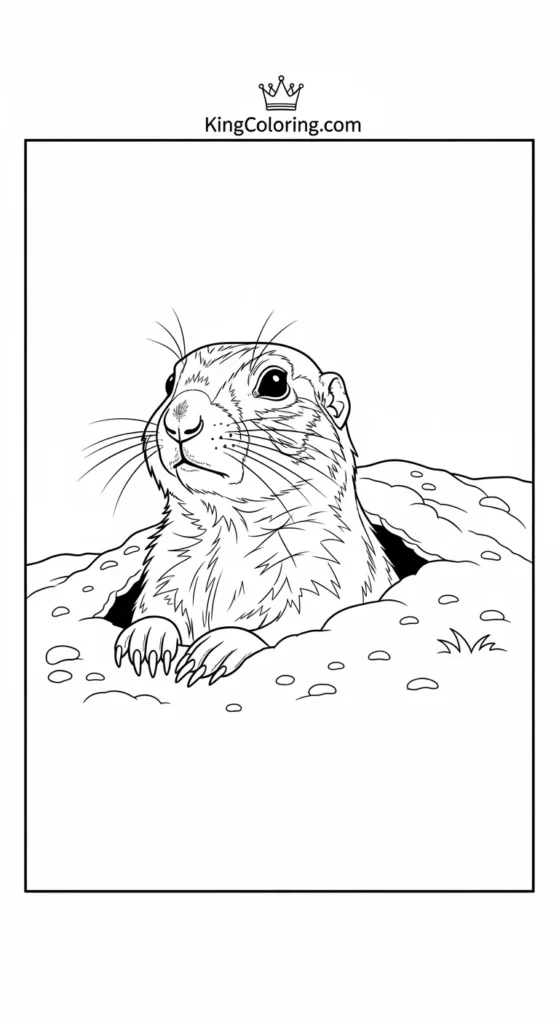
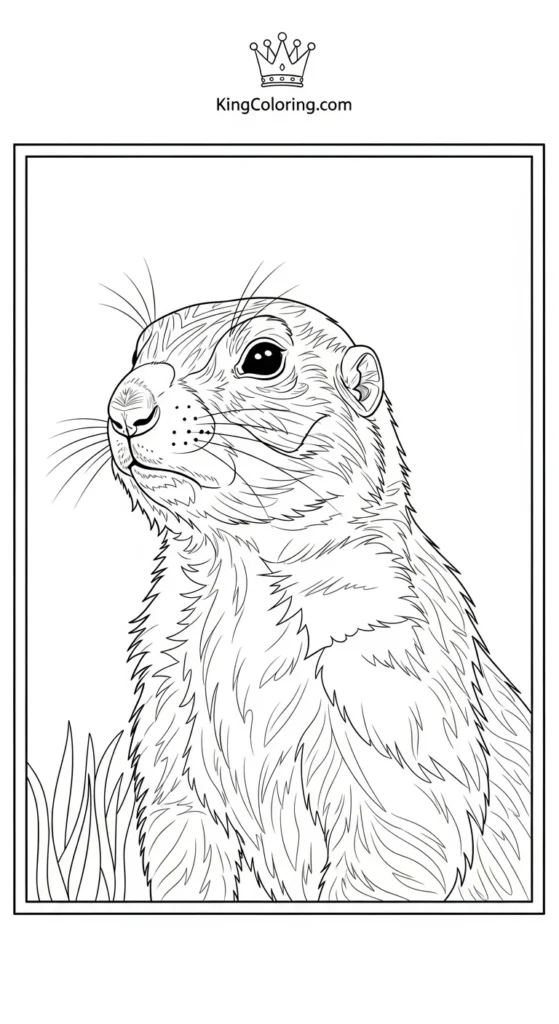
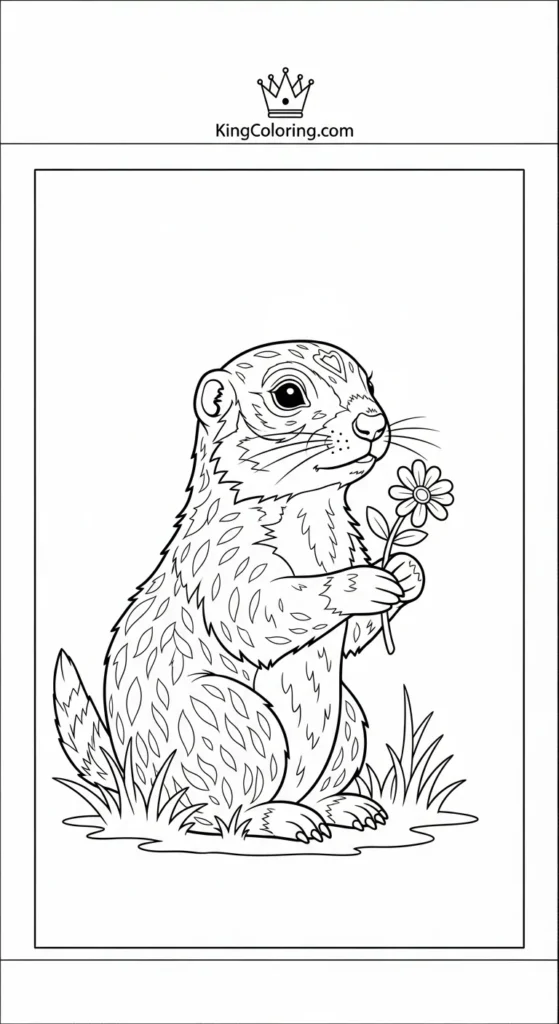
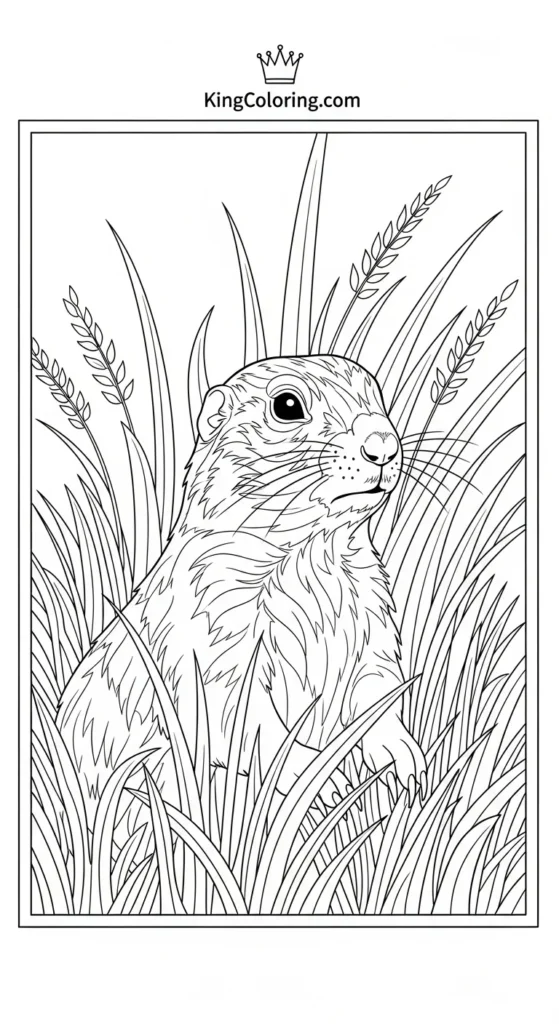
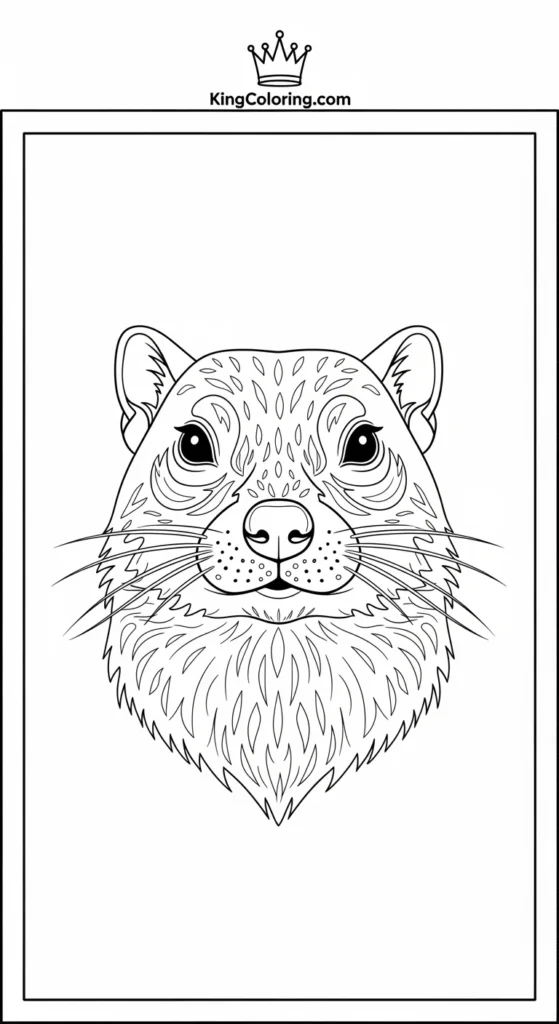
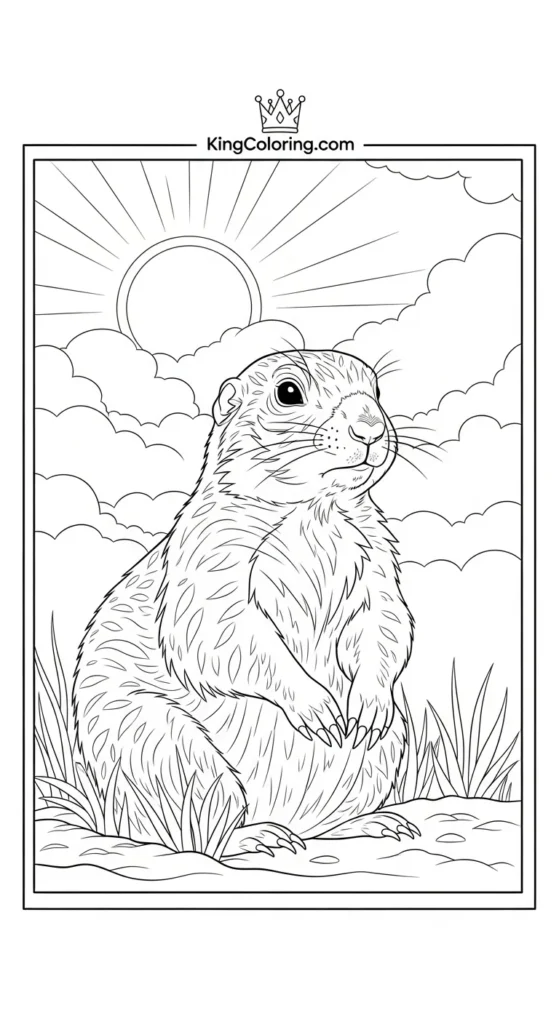
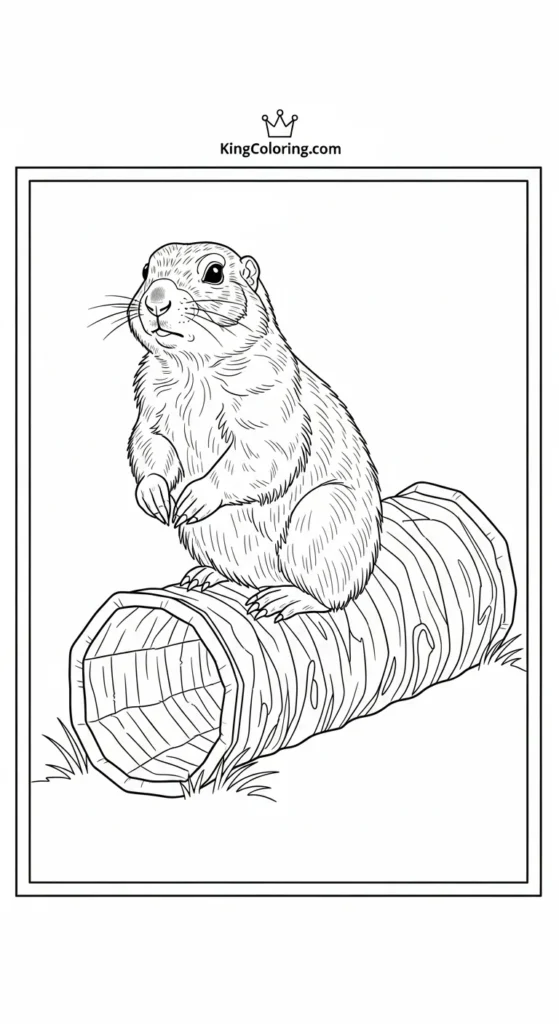
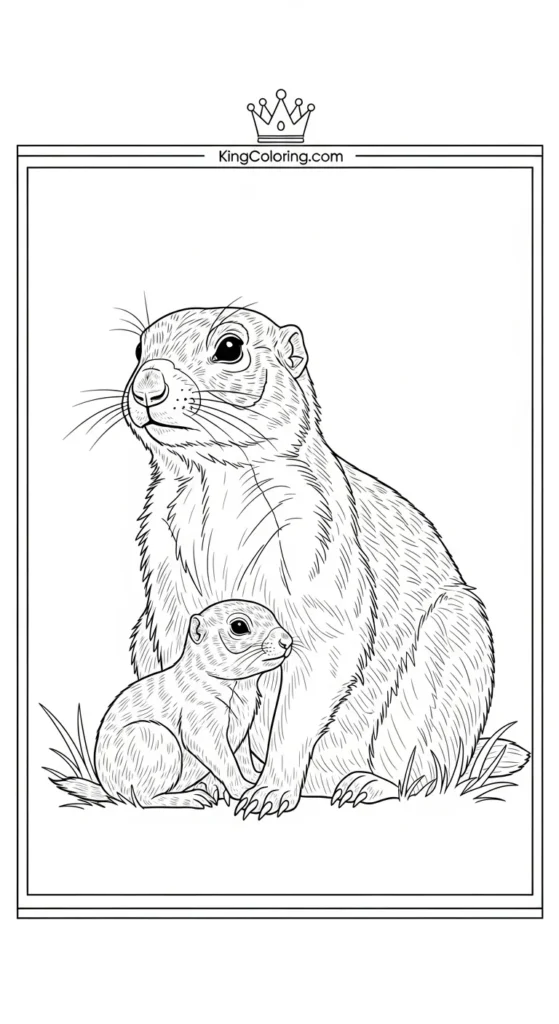
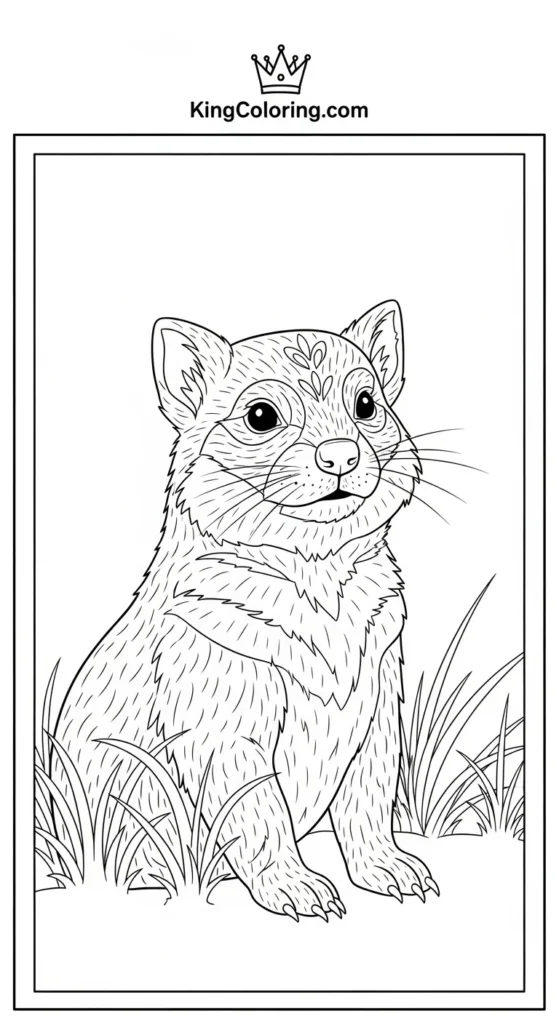
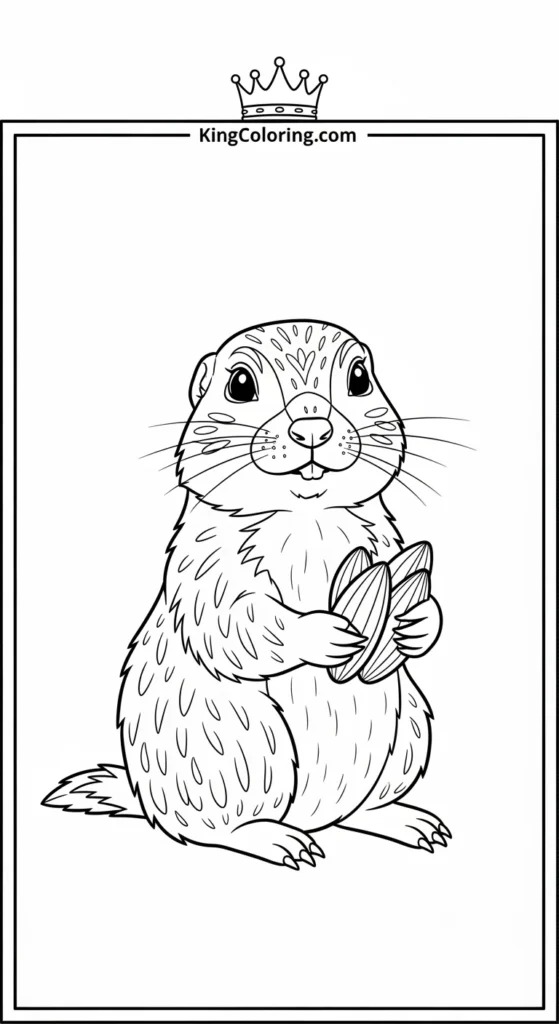
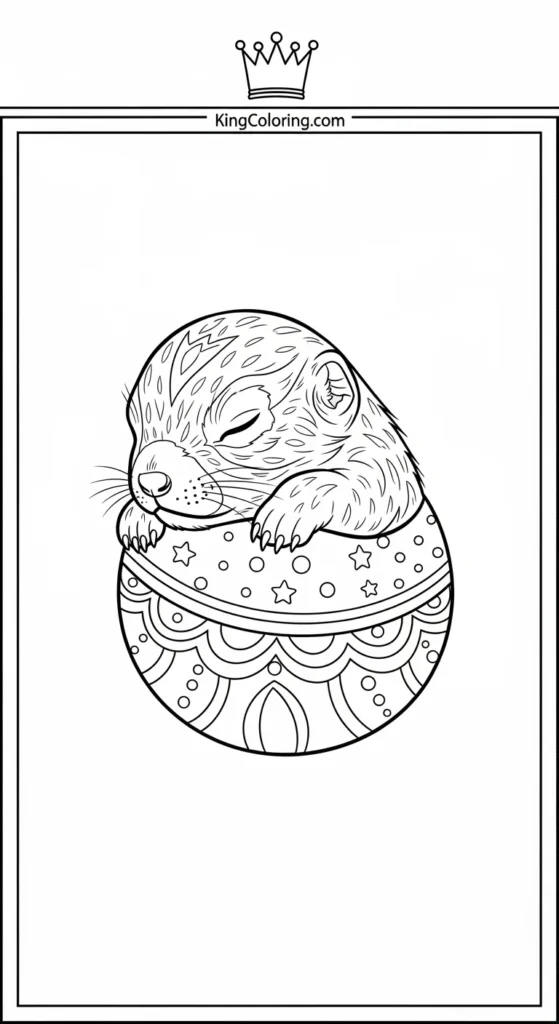
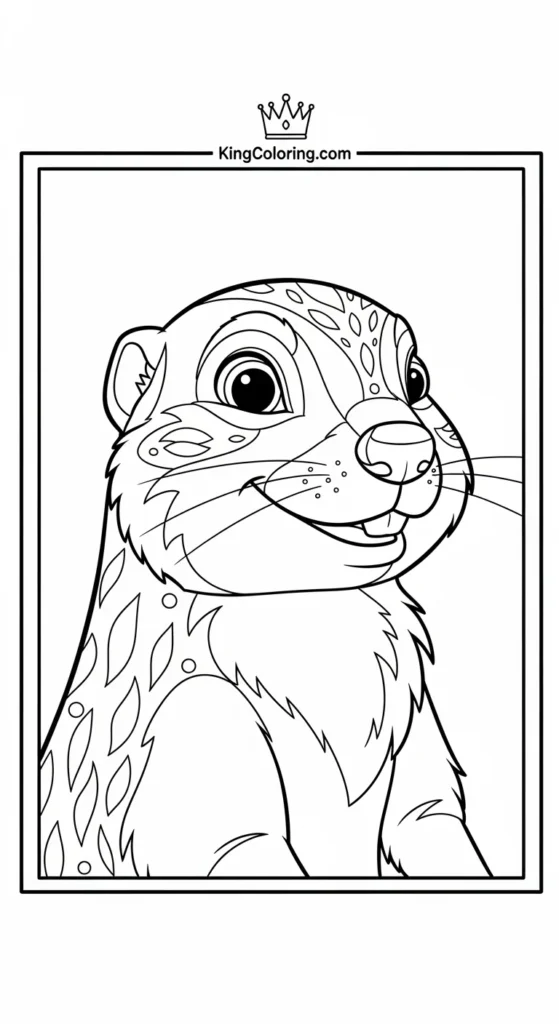
Table of Contents
Educational Objectives for Classroom Use
Why slip a coloring sheet into your lesson plan? Because it is a stealthy learning tool. These pages support multiple standards without feeling like “work.” Students practice observation skills by noting prairie dog features like sharp claws for digging or upright posture for spotting predators.
Coloring also reinforces vocabulary. As students shade, you can introduce terms like “colony,” “burrow system,” or “grassland biome.” The activity becomes a quiet anchor while you circulate and check for understanding. Plus, the finished pages make excellent exit tickets or portfolio additions.
For teachers, these sheets are flexible. Use them as a calm transition between subjects, a reward for focused work, or a hands-on supplement to a video or read-aloud. They require zero prep beyond printing—just hand them out and watch engagement rise.
Hands-On Activities to Extend Learning
Don’t stop at coloring. Turn these pages into springboards for deeper exploration. Here are a few quick ideas that take five minutes or less to set up.
- Habitat Diorama: Have students cut out their colored prairie dog and glue it onto a shoebox scene with grass, soil layers, and a paper burrow entrance.
- Behavior Charades: After coloring the “Alert Sentinel Pose,” let students act out prairie dog warnings while classmates guess the signal.
- Fact Labeling: Older students can add labels to their pages pointing to adaptations like “strong claws” or “keen eyesight.”
- Story Starter: Ask, “What does your prairie dog see from its watchtower?” and let kids write a short narrative on the back.
These extensions keep the momentum going and connect art to science, writing, and social skills.
How to Print the PDF
A smooth print job means less frustration and more coloring time. These files work on any standard printer, but a few tweaks ensure crisp results every time.
Start with paper size. In the U.S., select US Letter (8.5 x 11 inches). International users, choose A4. Both are supported, but picking the wrong setting can trim edges unintentionally.
Next, enable “Fit to Page” or “Scale to Fit” in your print dialog. This prevents awkward white borders or cut-off tails. For best results, choose “High Quality” mode—especially if students will use markers that might bleed on faint lines.
3 Quick Fixes for Common Print Issues
- Faint or Broken Lines: Switch from “Draft” to “Normal” quality in printer settings. If lines still look weak, try a different brand of paper; some recycled stocks absorb ink unevenly.
- Cropped Edges: Ensure “Borderless Printing” is turned off unless your printer explicitly supports it. Standard margins keep the full image visible.
- Image Too Small or Off-Center: Verify scale is set to 100% or “Fit to Page.” Browser print previews sometimes shrink images automatically—double-check before hitting print.
Classroom Activity Plan
Ready to build a full mini-lesson? Here is a simple 30-minute flow using these pages:
- Hook (5 mins): Show a short video clip of prairie dogs “talking” or popping out of burrows. Ask: “What do you notice about how they move?”
- Color & Discuss (15 mins): Hand out pages. As students color, circulate and ask guiding questions: “Why do you think they live in groups?” “What colors match a grassland?”
- Share & Connect (10 mins): Have volunteers hold up their work and share one fact they learned. Display pages on a “Grassland Gallery” wall.
This plan requires no extra materials and fits easily into science, art, or morning meeting time.
Mini “Fun Facts” to Share While Coloring
Sprinkle these tidbits into your lesson to keep curiosity high:
- Prairie dogs aren’t dogs at all—they are rodents, related to squirrels!
- A group of prairie dogs is called a “town” or “colony,” and some towns have hundreds of members.
- They have different alarm calls for different predators—like one for hawks and another for coyotes.
- Their burrows can stretch over 100 feet underground and include separate chambers for sleeping, nesting, and even “bathrooms.”
Kids love surprising animal facts. These nuggets make coloring time feel like discovery time.
Explore a Fun-Filled Collection of Animal Coloring Pages
Looking for more printable fun? Discover a wide range of animal coloring pages featuring many species, playful themes, and creative designs for all ages.
FAQ
Can I print these for my whole class?
Absolutely. These pages are designed for personal and educational use. Print as many copies as you need for your students.
What if my printer only has black ink?
No problem. The pages are designed with clear black outlines that look great even in monochrome. Students can still add color with crayons or pencils afterward.
Are there simpler designs for younger learners?
Yes. Look for “Snack Time Muncher” or “Playful Pup Duo” in the gallery. These feature thicker lines and less intricate detail.
Can students color these digitally?
Yes, you can import the PDFs into tablet apps that allow coloring. However, printing often provides a better tactile experience for developing fine motor skills.
Download your PDF now and let the coloring begin!