We offer a wide collection of free, high-quality printable coloring pages for kids and adults. From cute animals to intricate mandalas, our designs bring creativity and relaxation to everyone. Download, print, and start coloring today!

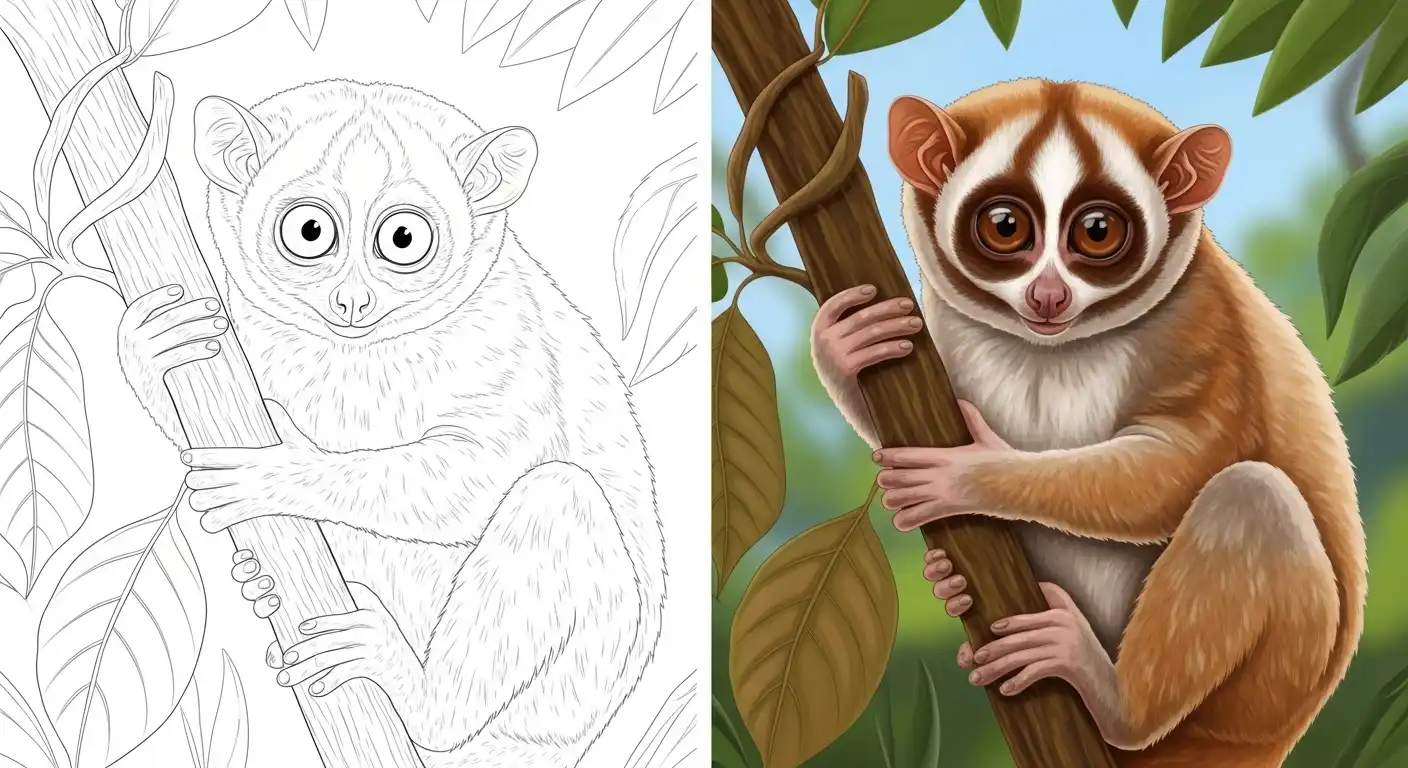
Big, curious eyes peer from the page, inviting young artists to bring these gentle primates to life with color. These loris coloring pages blend playful creativity with focused skill-building for kids (5–8), helping strengthen hand muscles and concentration while exploring one of Asia’s most enchanting nocturnal creatures. Print a sheet instantly and watch fine motor skills grow alongside imagination. No special prep needed—just grab crayons and let the slow-motion adventure begin.
Loris Printable Sheets
Browse these printable loris designs crafted to match different skill levels and creative moods. Each sheet captures the loris’s distinctive charm while offering age-appropriate challenges.
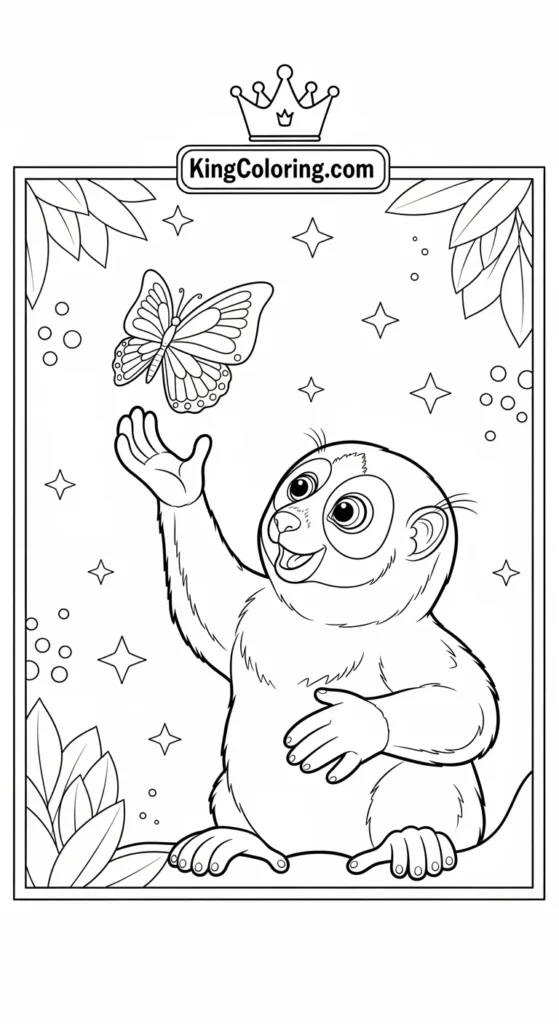
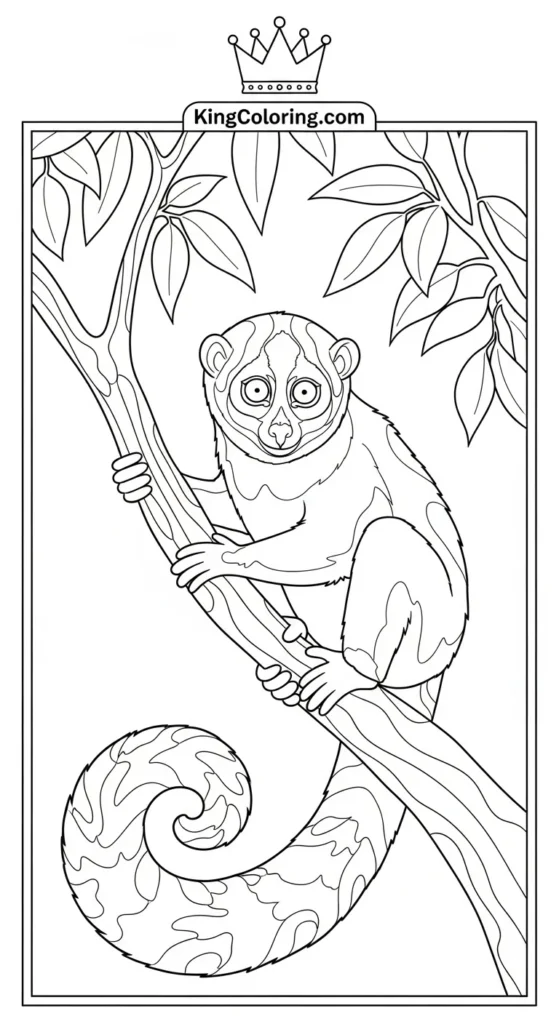
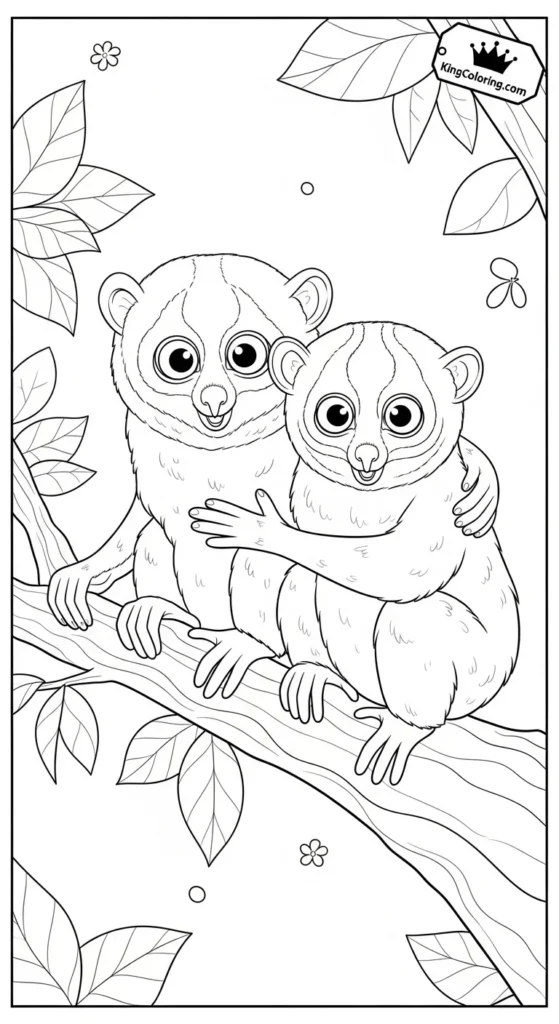
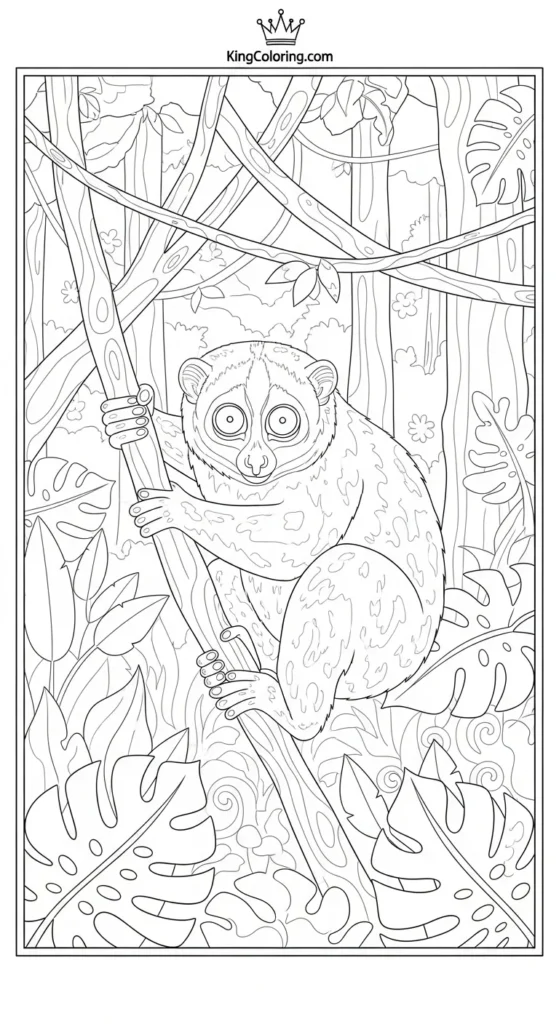
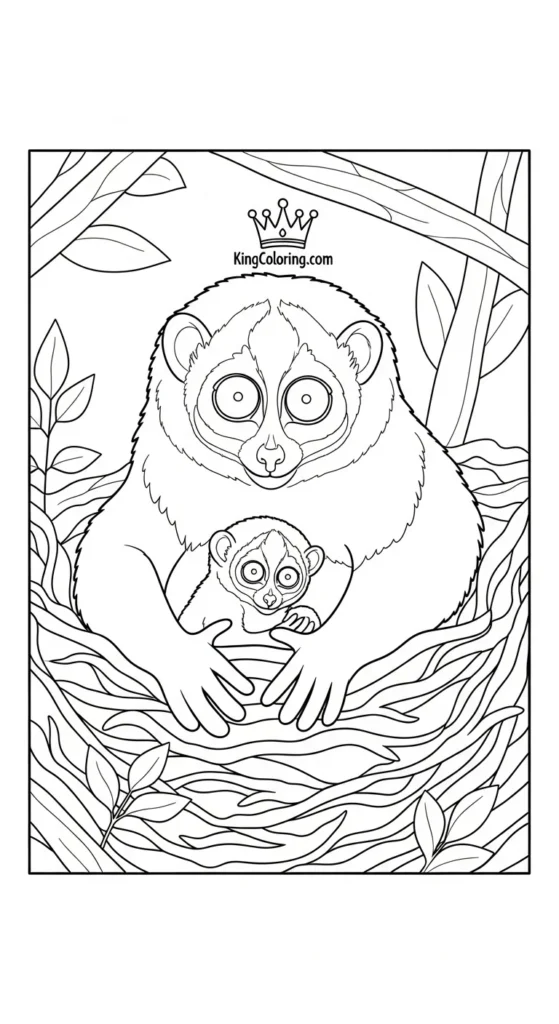
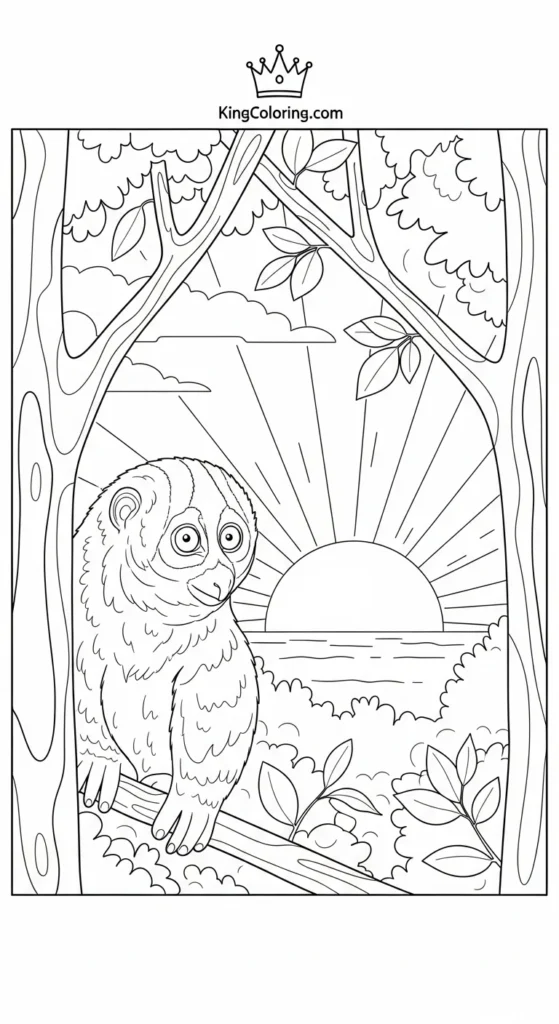
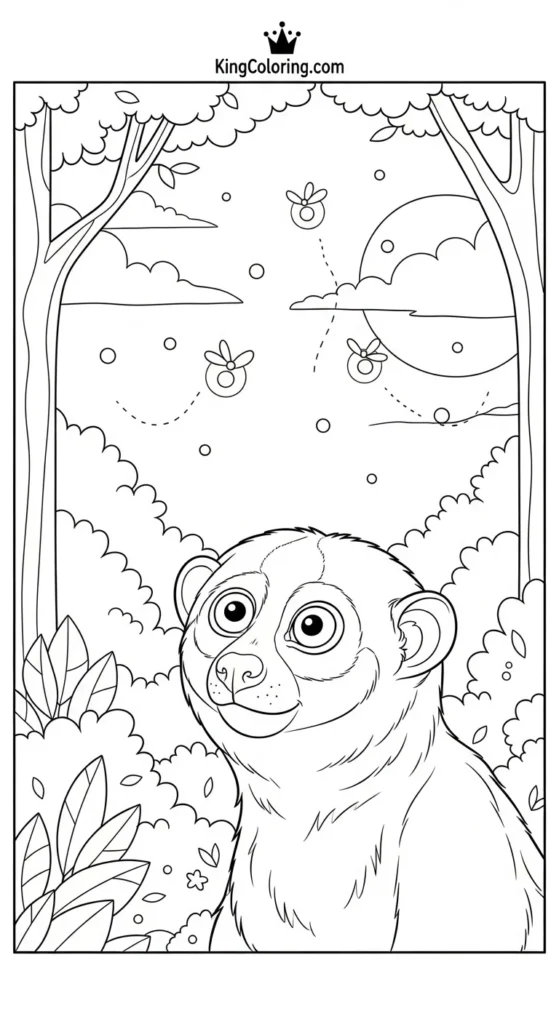
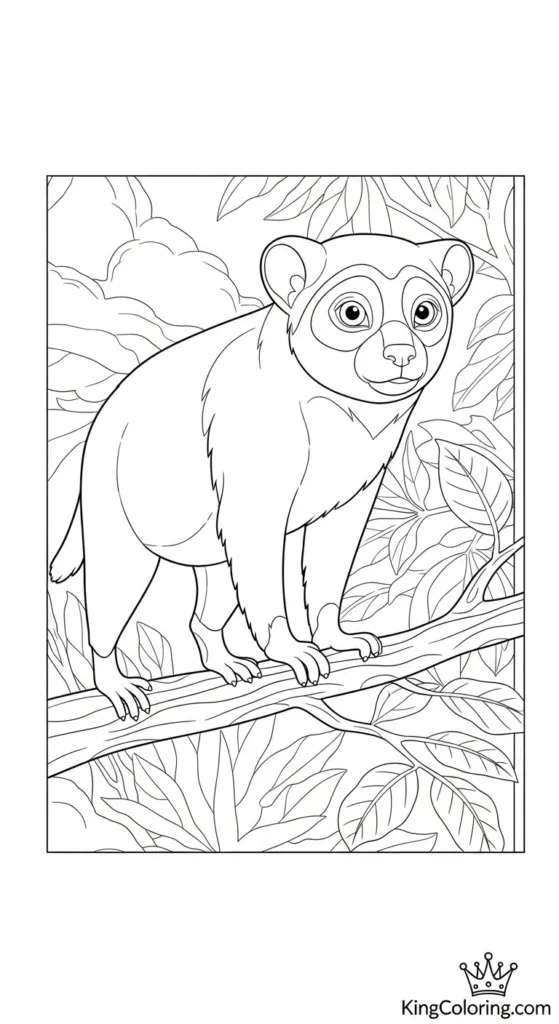
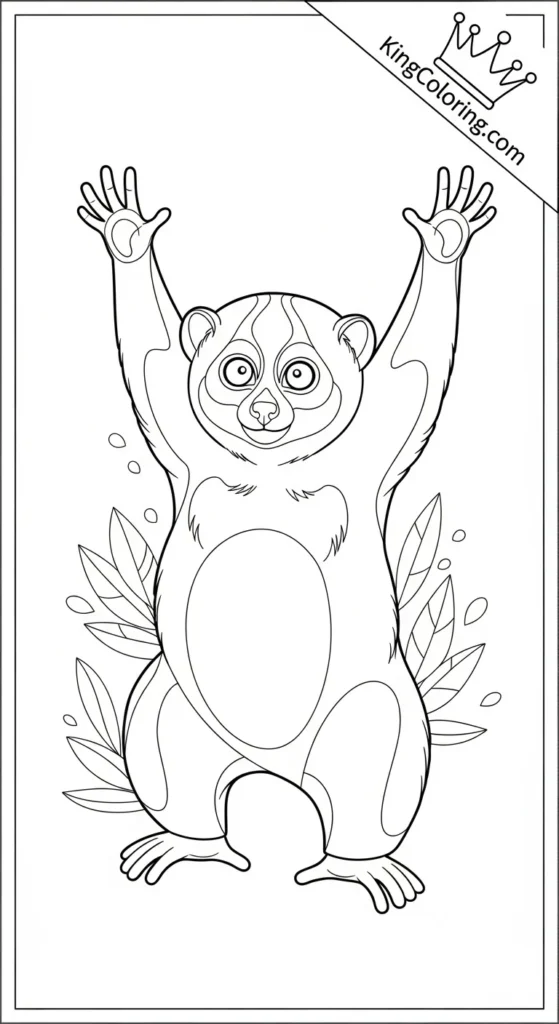
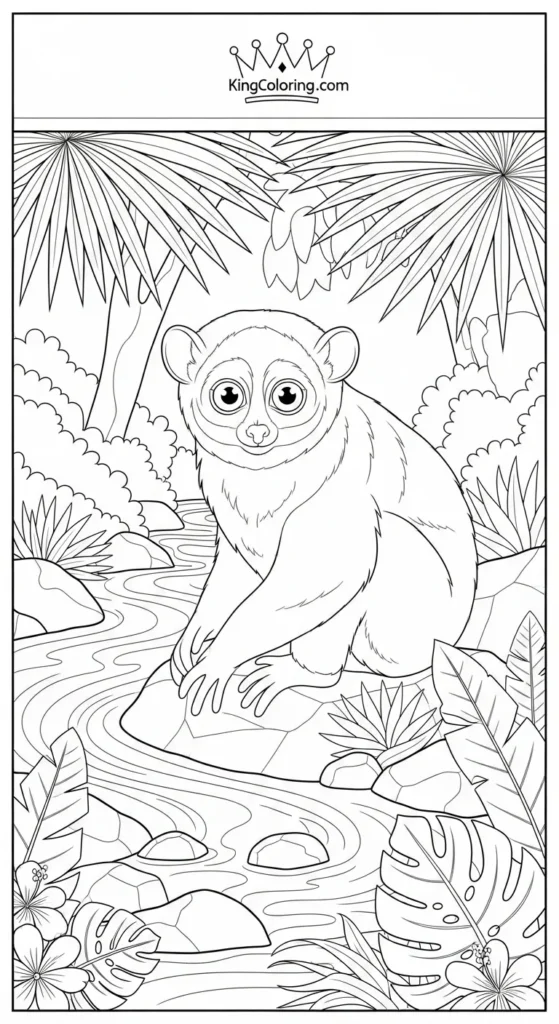
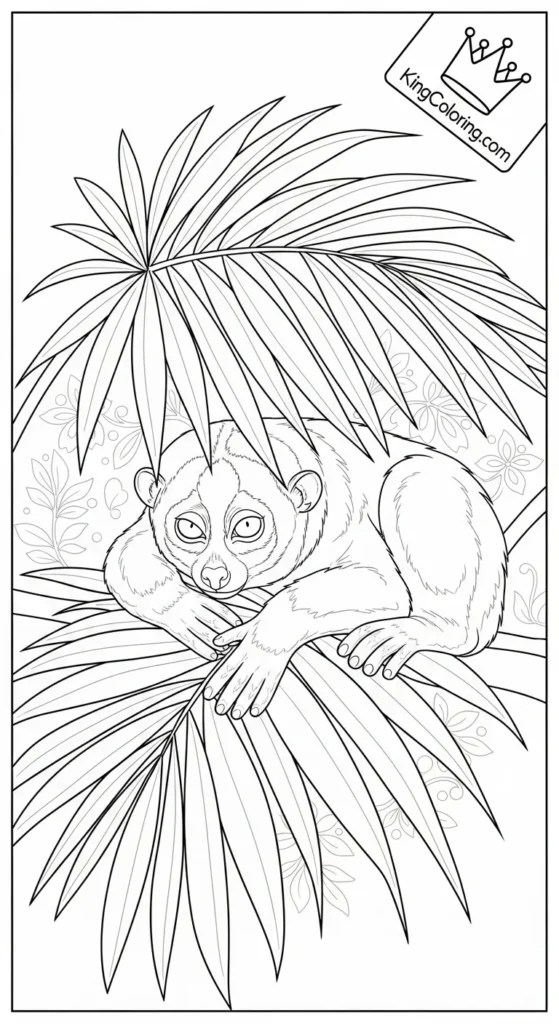
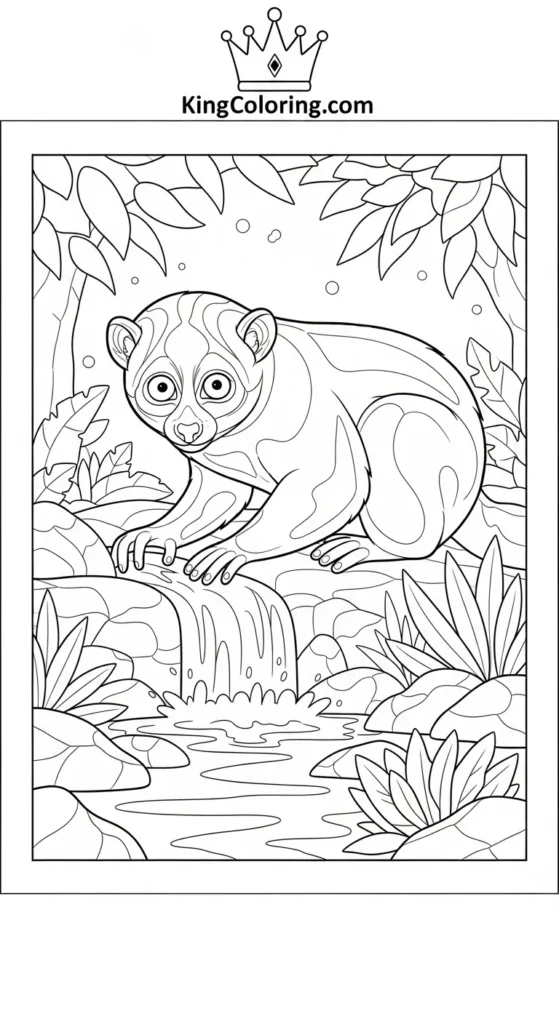
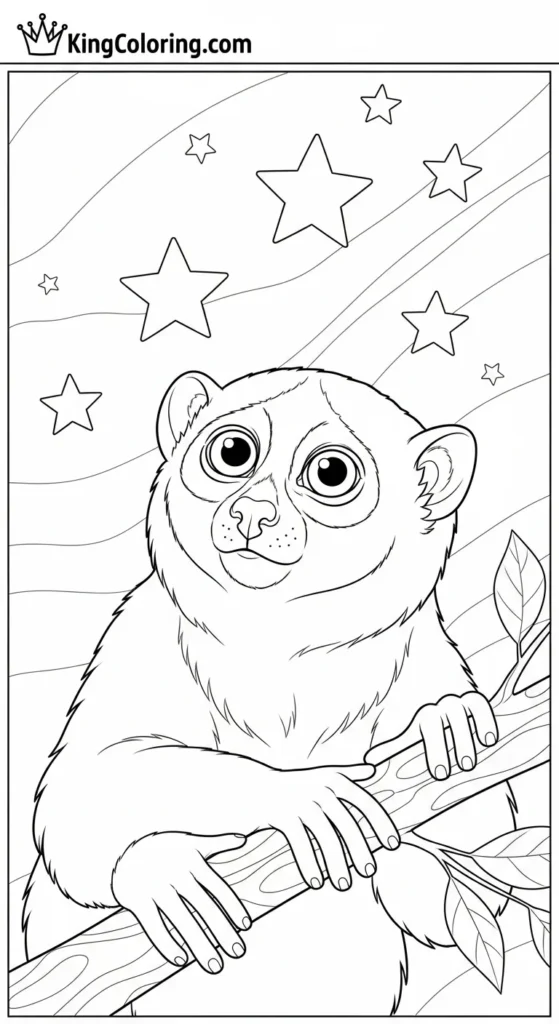
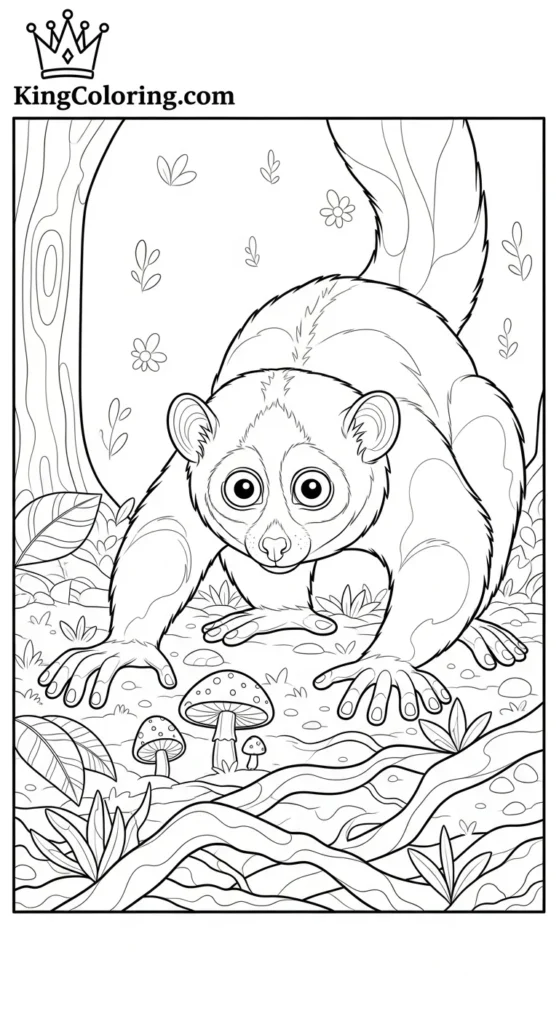
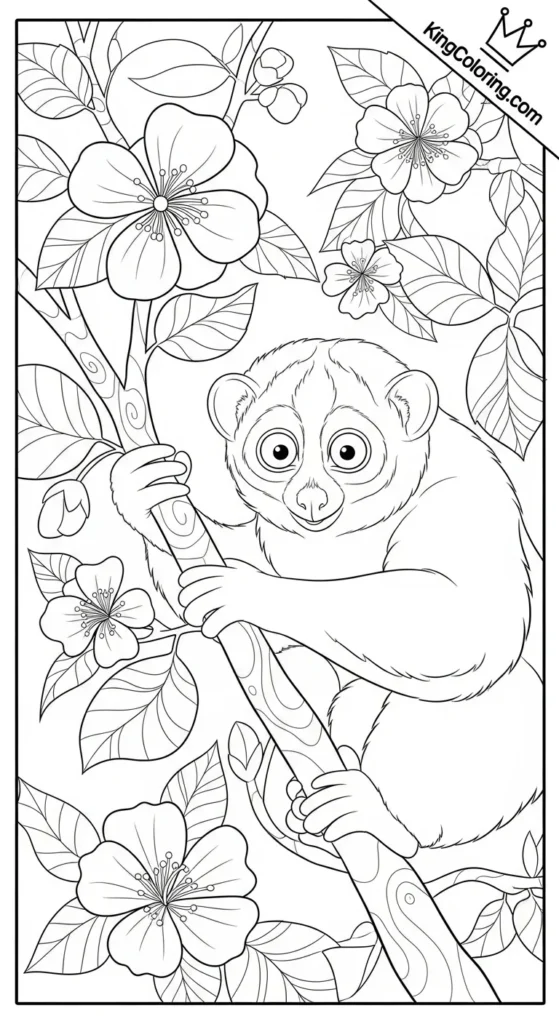
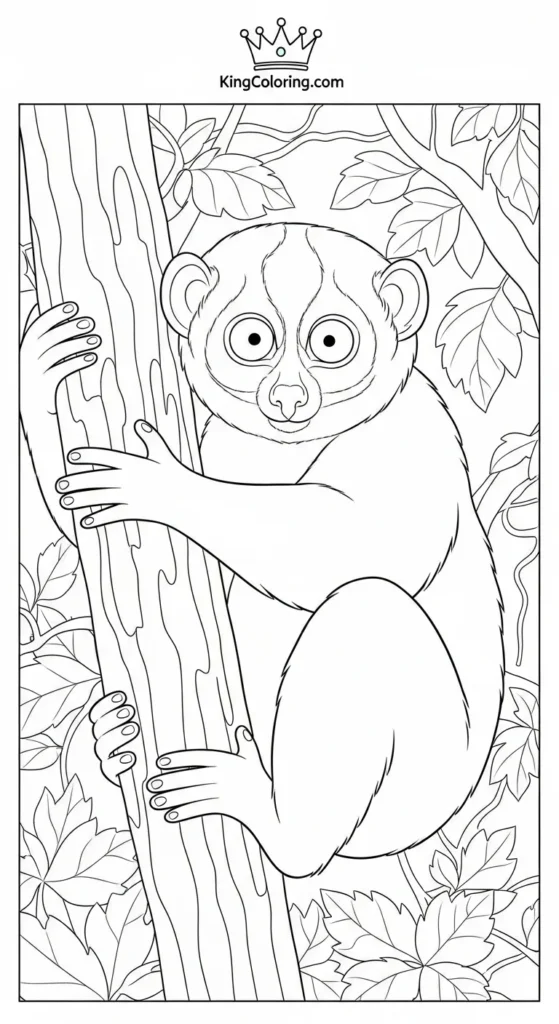
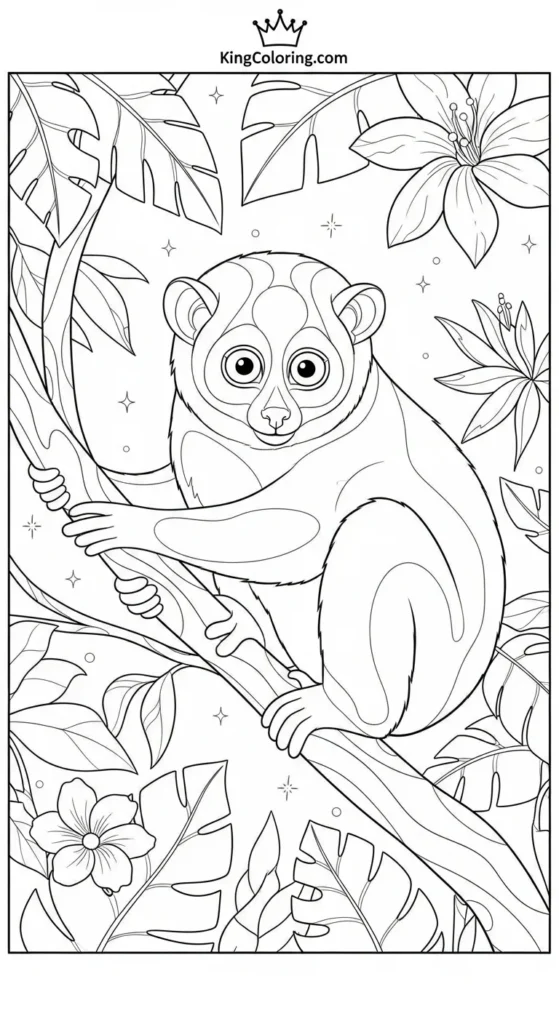
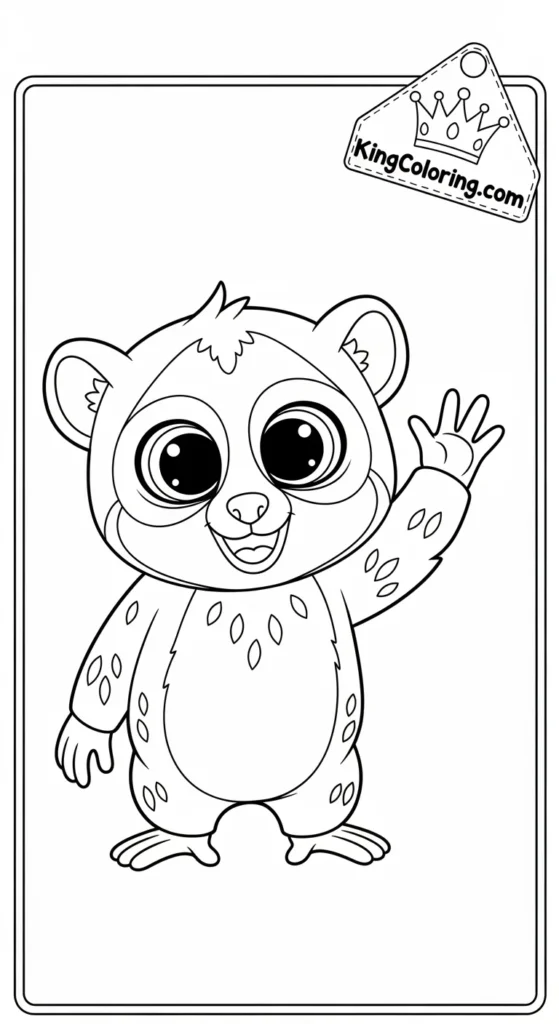
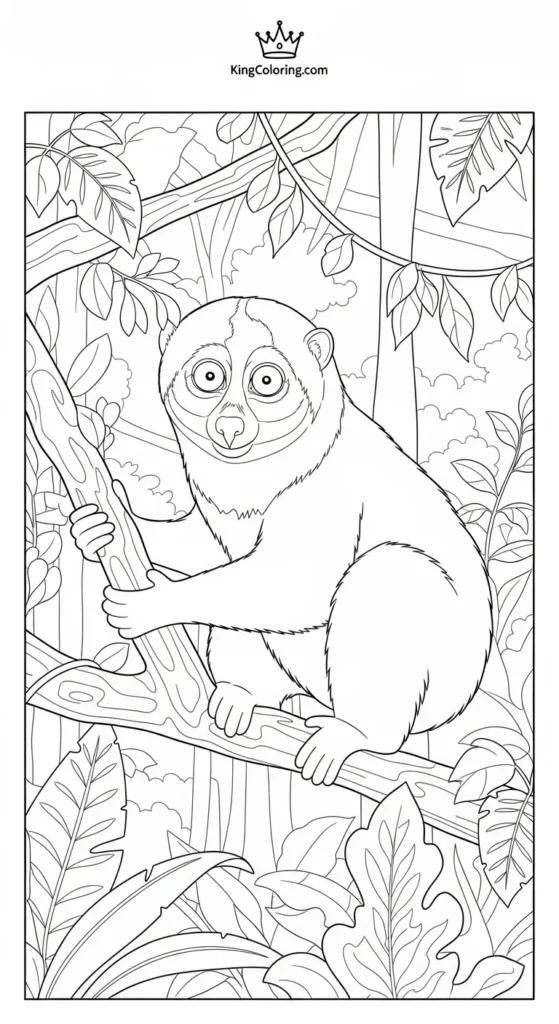
Table of Contents
Big-Eyed Friends Learning Through Color
These pages support meaningful development while keeping the fun factor high. Here’s how each coloring session builds abilities that transfer beyond the art desk.
Fine Motor Foundations
- Hand Strength: Gripping pencils to fill the loris’s round eyes and fluffy fur strengthens small muscles needed for handwriting.
- Bilateral Coordination: Holding paper steady while coloring builds essential brain-body connections for writing readiness.
- Visual Tracking: Following the loris’s slow, curved movements helps develop eye movement skills crucial for reading fluency.
Focus & Task Completion
- Start with one section (like the face) to build attention span gradually.
- Celebrate effort over perfection—every stroke is progress!
- Use a “focus timer”: 10 minutes of coloring, then a quick movement break to reset.
Wildlife Curiosity Boost
- Discuss where lorises live (Southeast Asian rainforests) while coloring their natural habitat.
- Talk about conservation: Why are slow lorises endangered, and how can we help?
- Compare loris behaviors to other primates to build observation and empathy skills.
Fun Facts for Curious Minds
Enhance your coloring session with fun facts and little tidbits to spark curiosity and conversation while your child brings each Loris to life. Perfect for loris coloring pages!
- Lorises move so slowly that algae can grow on their fur—nature’s camouflage!
- They have a special “toilet claw” on their second toe used for grooming.
- Slow lorises are one of the few venomous mammals, using elbow glands for defense.
- Their huge eyes help them see in the dark, but they can’t move them—so they turn their whole head!
- Baby lorises cling to their mom’s belly for the first few months of life.
Try this: After coloring, ask your child to draw one thing a loris might eat. This simple extension builds creativity while reinforcing wildlife knowledge!
Print With Confidence: Your Setup Guide
A crisp, well-sized printout makes coloring more enjoyable and less frustrating. These simple steps help you avoid wasted paper and ink while getting professional-looking results.
Start by matching your paper size. These files work on both US Letter (8.5 x 11 inches) and A4 (210 x 297 mm). In your print dialog, choose “Fit to Printable Area” to keep the loris centered without cutting off ears or limbs. If edges still disappear, manually set margins to 0.25 inches.
Next, select the right paper type. Standard 20–24 lb copy paper handles crayons and colored pencils beautifully. If your child prefers markers or watercolors, switch to 65–80 lb cardstock to prevent bleed-through. Enable “Heavy Paper” mode in your printer driver for optimal ink absorption.
Finally, set print quality to “High” or “Best.” Draft mode creates faint, broken lines that frustrate young artists. Dark, continuous outlines help children stay engaged and feel proud of their finished work.
Three quick fixes for common issues:
- Cropped edges? Enable “Scale to Fit” and double-check margin settings in your printer preferences.
- Faint lines? Run a printer head cleaning cycle via the maintenance menu, then reprint at “High Quality.”
- Image too small? Use “Custom Scale” at 105% for a bolder, easier-to-color result.
Discover a Rich Collection of Animal Coloring Pages
Looking for more designs to print? Explore a wide range of animal coloring pages featuring many species, fun themes, and creative styles for all ages.
Your Loris Coloring Questions
Got questions about using these pages effectively? Find simple, practical answers below.
What age are these loris pages best for?
Most designs suit kids 5–8, with simple outlines for beginners and detailed patterns for those ready for deeper focus. Check gallery notes to match skill level to your child.
Can I use these for homeschool science units?
Absolutely! Pair them with rainforest, primates, or conservation topics. The Learning Goals align with elementary science standards while keeping engagement high.
Do I need special art supplies?
Nope! Standard crayons, markers, or colored pencils work great on copy paper. For display-worthy art, try cardstock and colored pencils for vibrant, smudge-free results.
How do I download the PDF?
Click the “Download as PDF” note under any gallery item. The file saves to your device—ready to print anytime, even offline or while traveling.