We offer a wide collection of free, high-quality printable coloring pages for kids and adults. From cute animals to intricate mandalas, our designs bring creativity and relaxation to everyone. Download, print, and start coloring today!

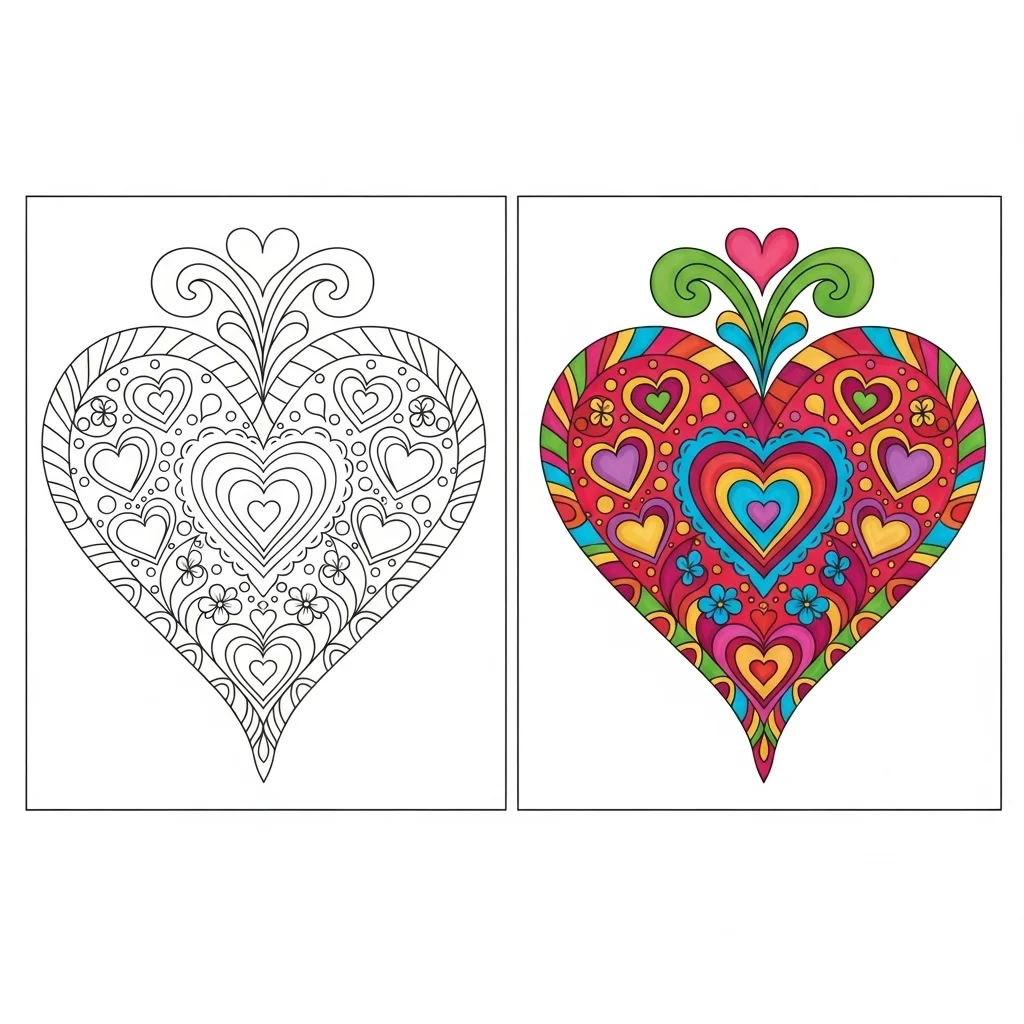
Hearts are universal symbols of love, warmth, and connection. They’re simple to recognize, satisfying to color, and endlessly versatile—making easy heart coloring pages perfect for children discovering the joy of coloring, beginners building creative confidence, and anyone seeking a quick, feel-good creative activity. Whether you’re looking for simple designs your toddler can color without frustration, cute kawaii hearts for a Valentine’s craft project, or mindful coloring pages to unwind with, this comprehensive guide brings together carefully curated heart coloring pages printable organized by style and complexity, complete with practical print tips and creative project ideas that transform finished pages into meaningful gifts and décor.
Printable Heart Designs are Ideal for All Ages
Easy heart coloring pages succeed because they combine simplicity with emotional resonance. Here’s why they work so beautifully for children, beginners, and adults alike:
Instantly Recognizable Shape – The heart is one of the first shapes children learn to draw and recognize. Unlike complex flowers or animals, a heart needs no explanation. Kids immediately understand what they’re coloring, building confidence from the first moment.
Quick Wins & Satisfaction – A simple heart can be colored to completion in minutes, offering immediate gratification. Unlike projects requiring hours, simple hearts provide quick confidence boosts. Kids can color multiple hearts in one sitting, each one a small victory.
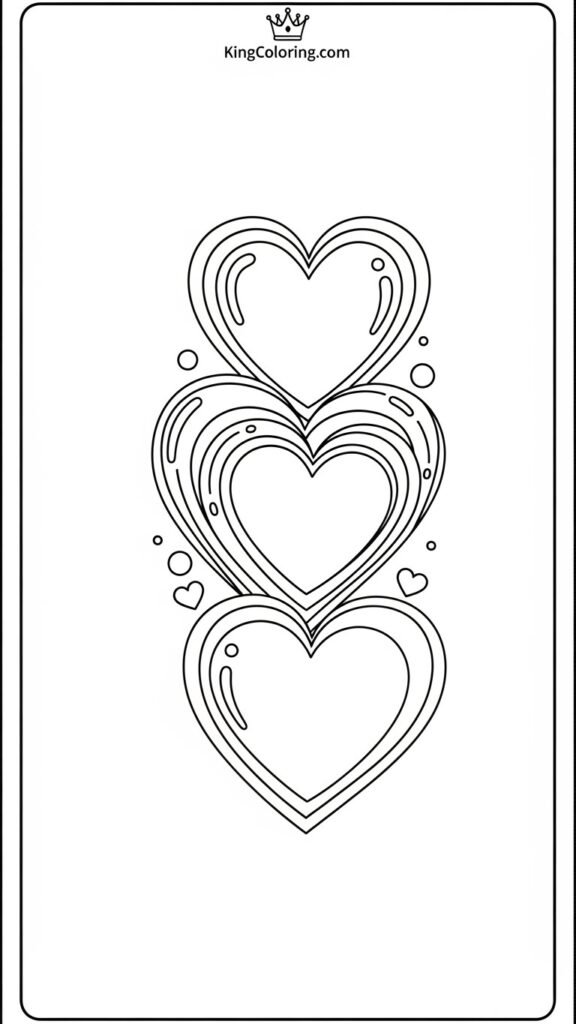
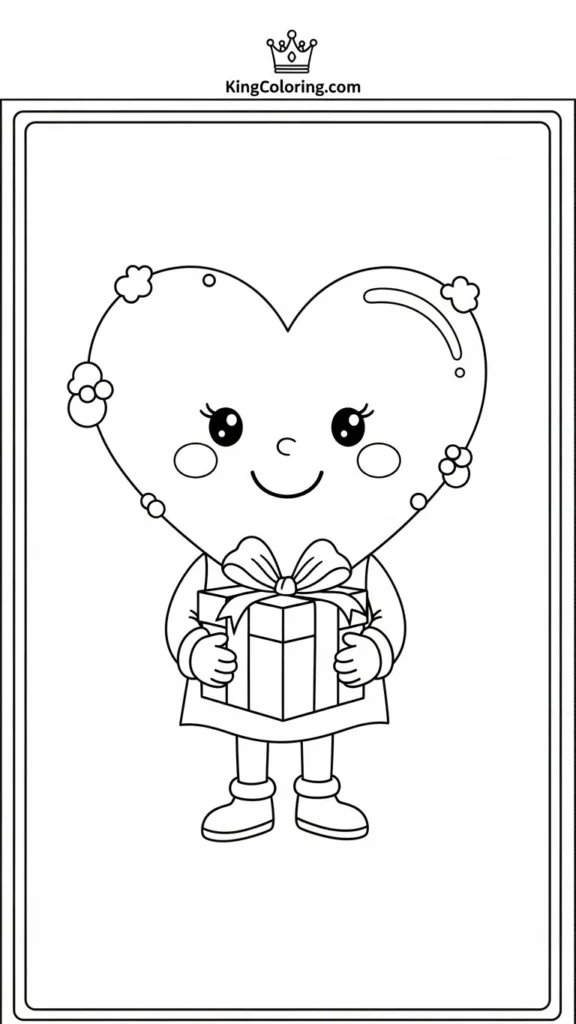
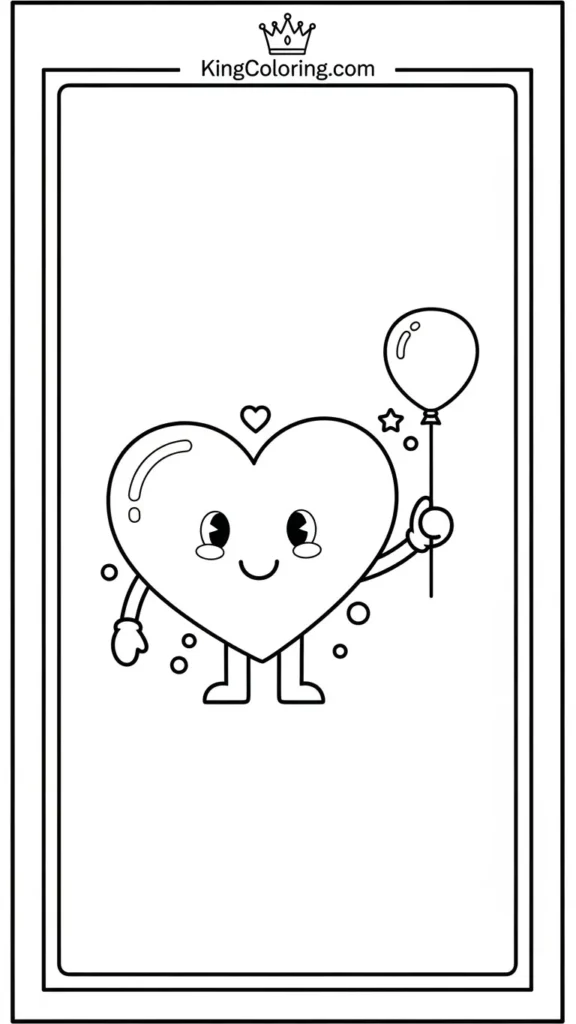
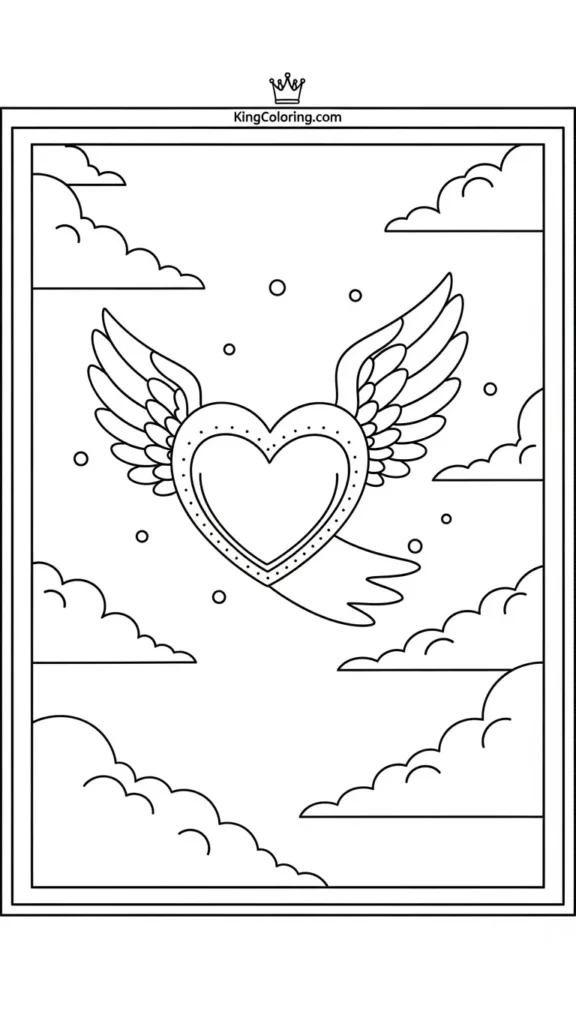
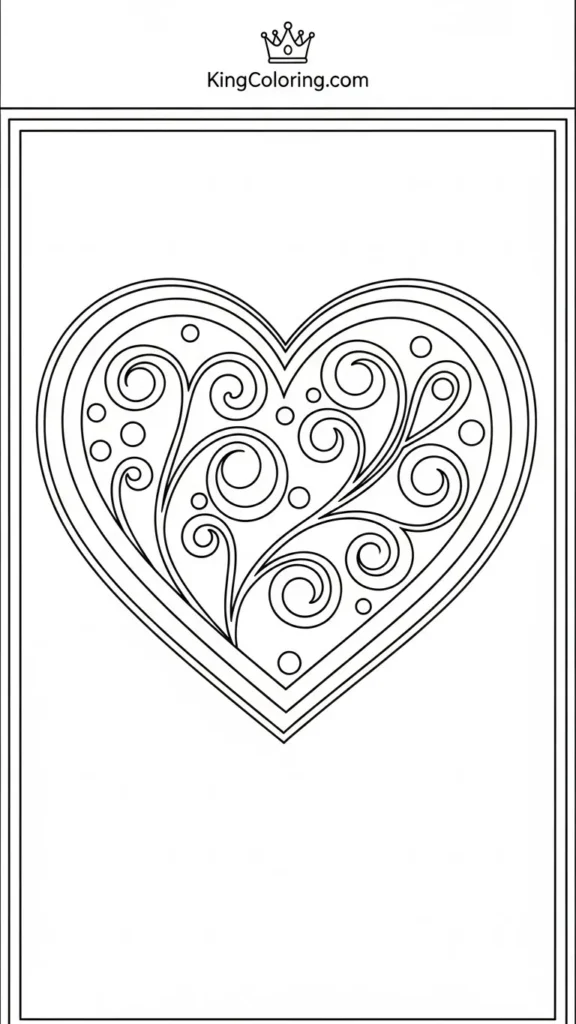
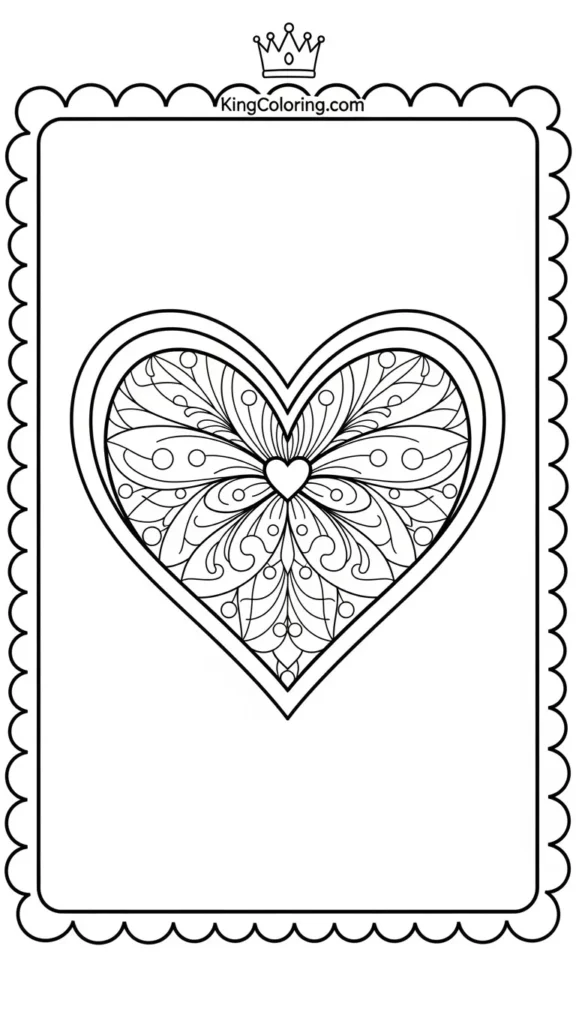
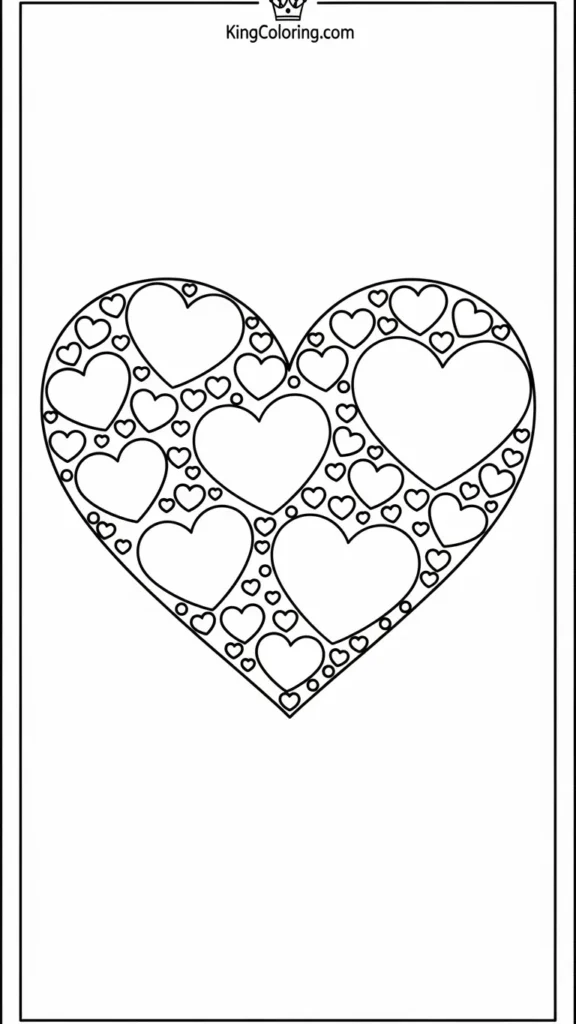
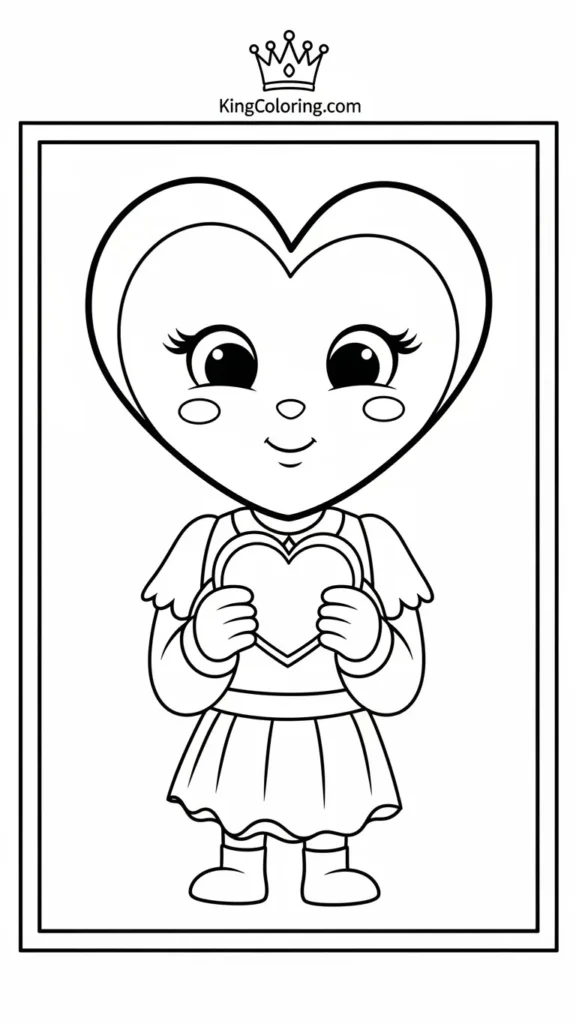
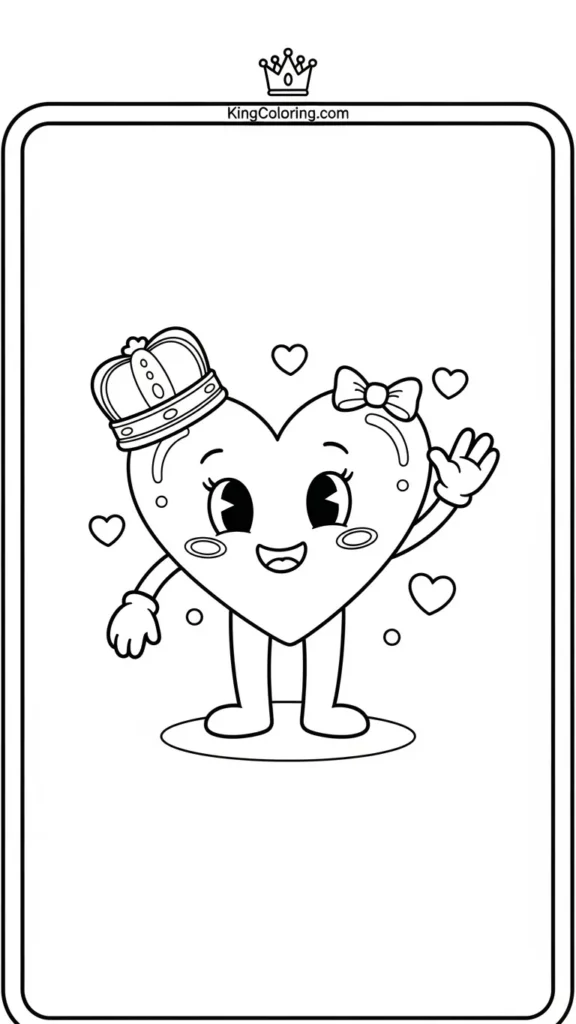
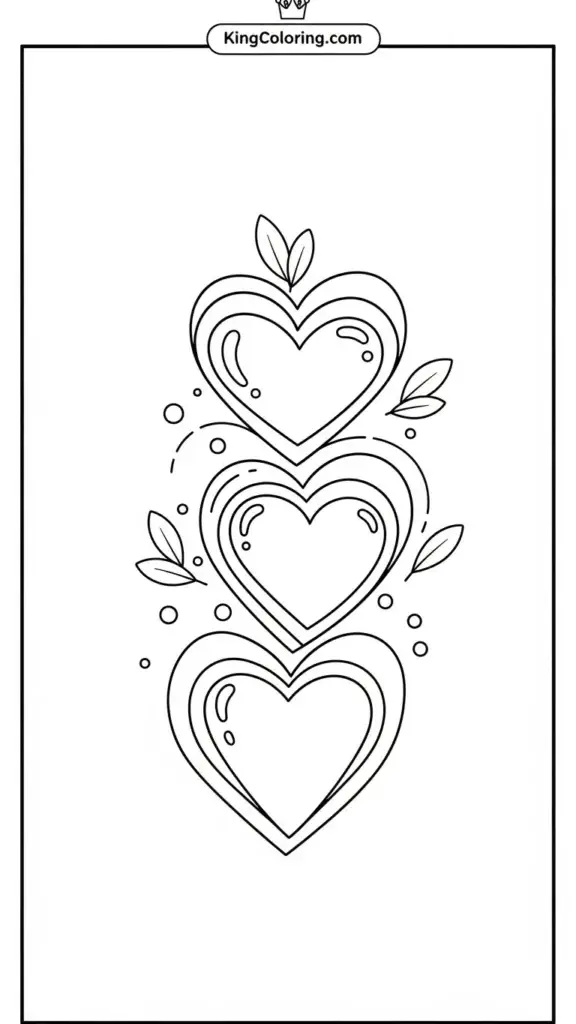
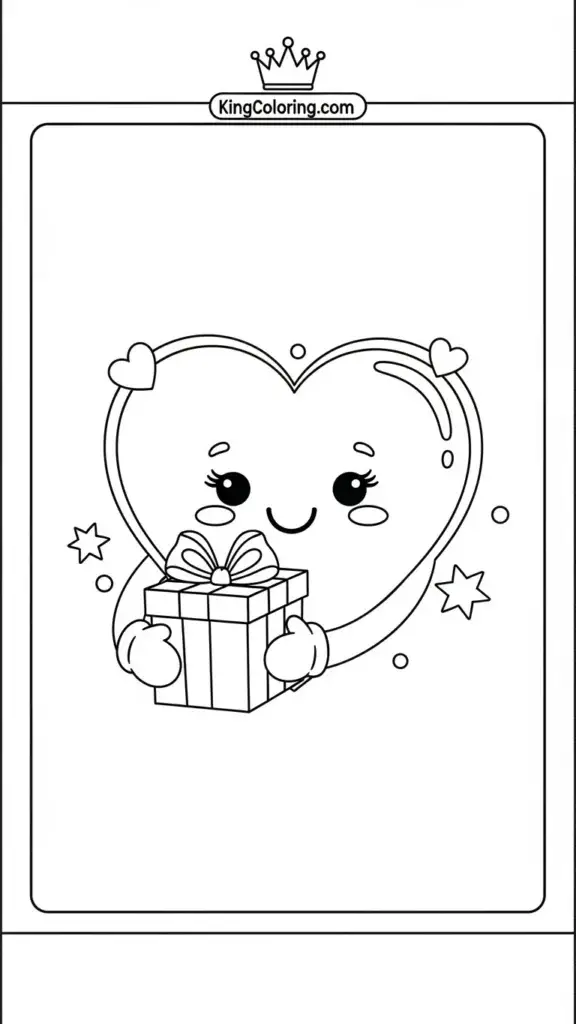
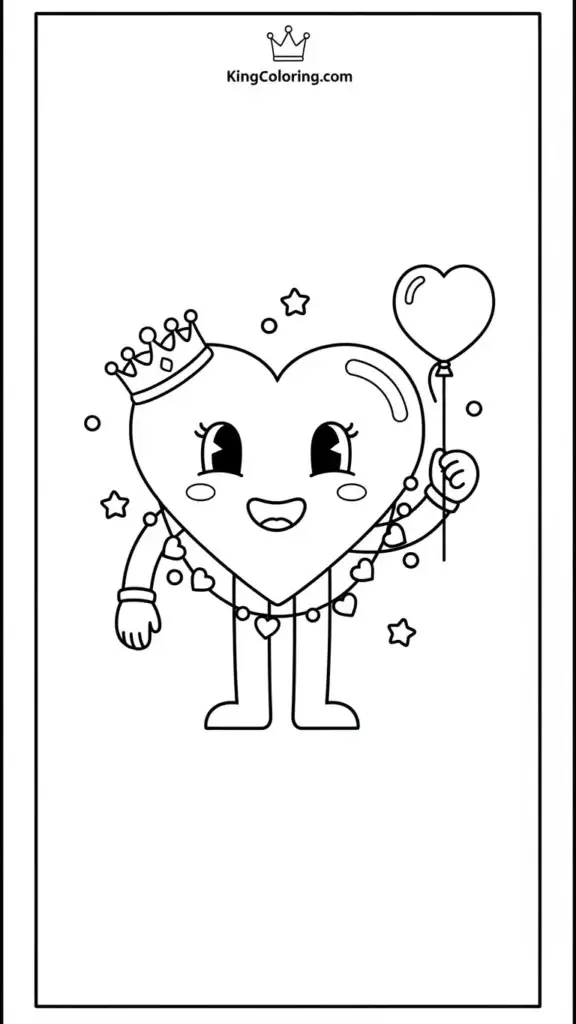
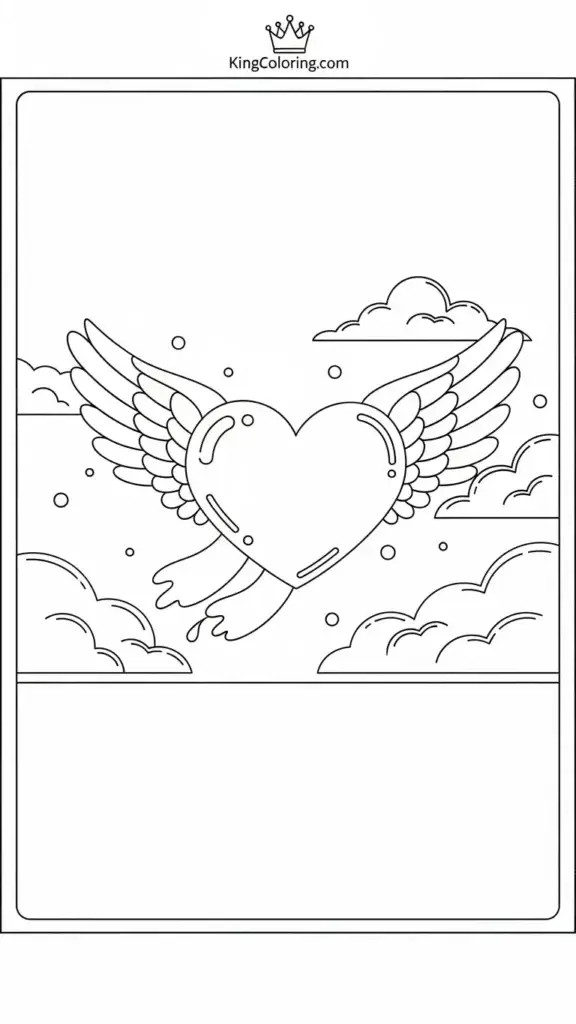
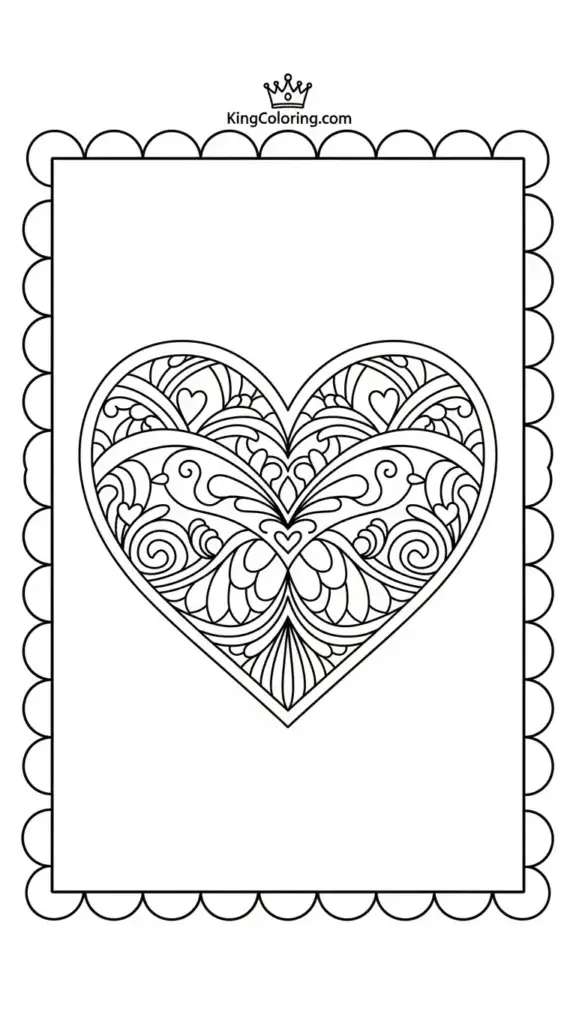
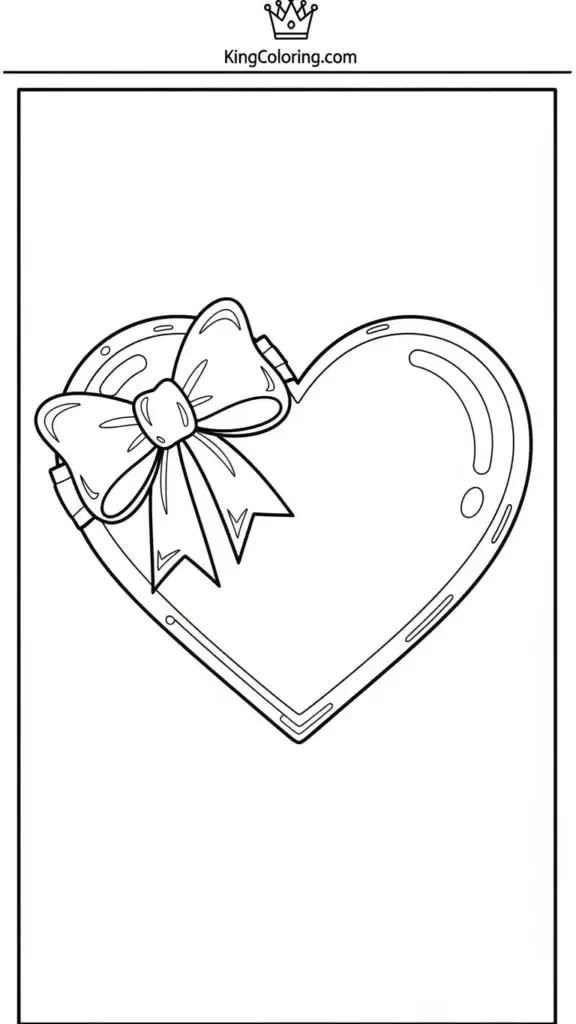
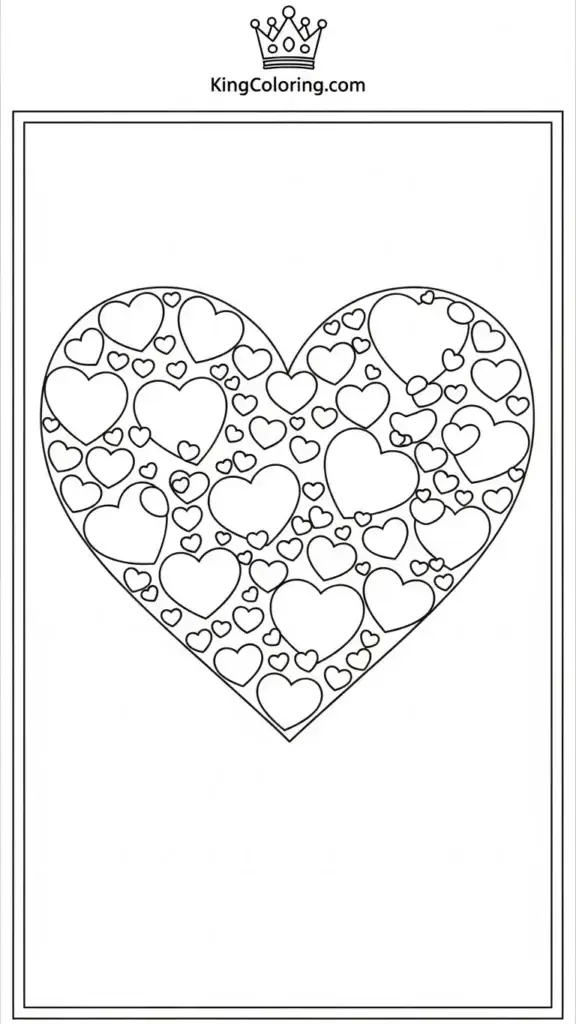
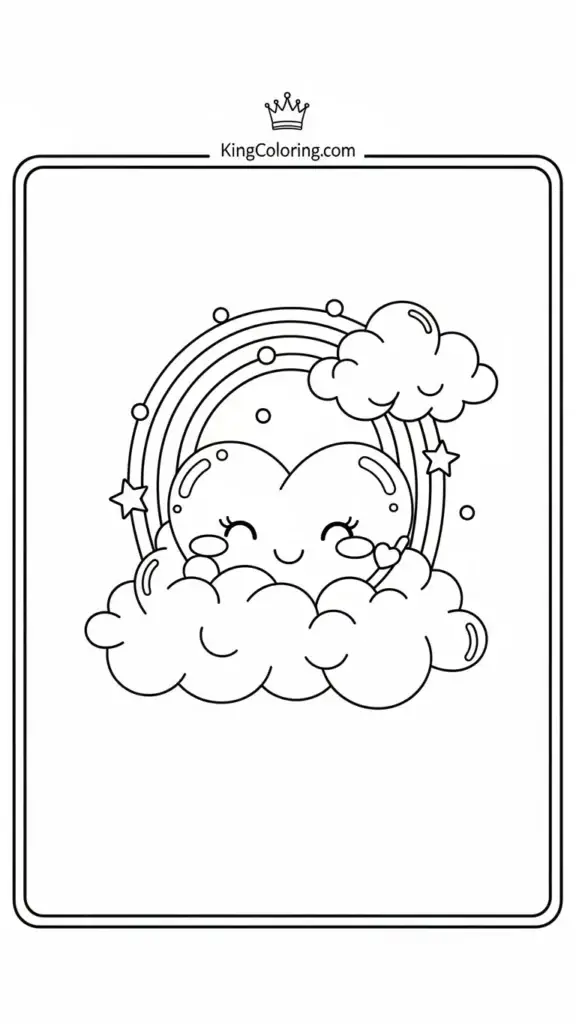
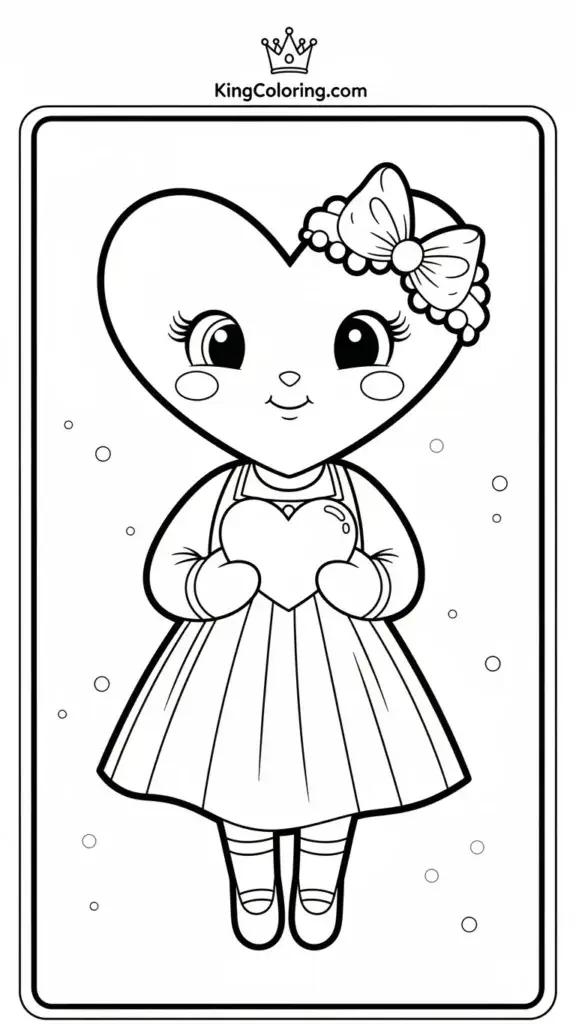
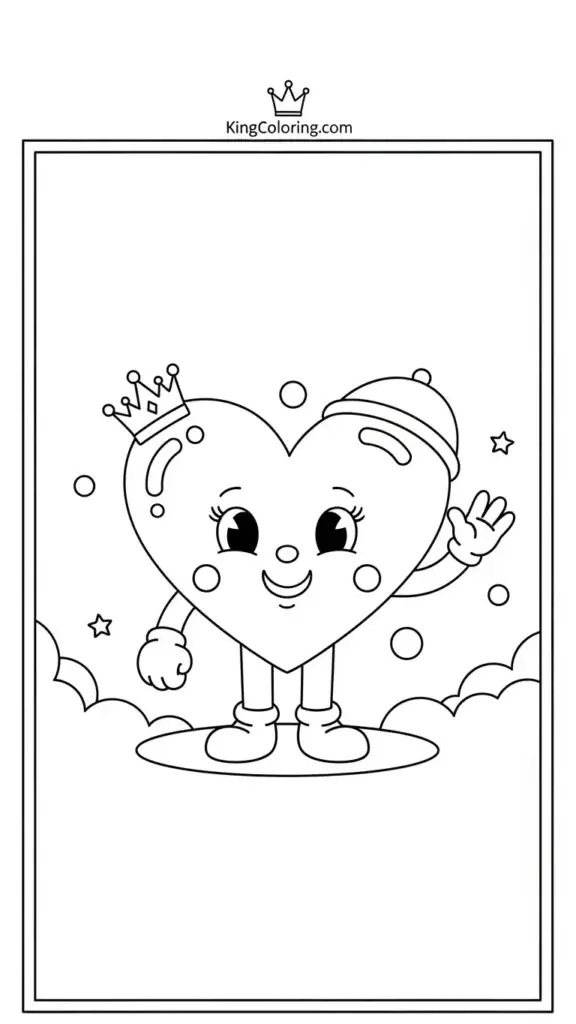
Table of Contents
Simple Heart Coloring Pages by Style
Organizing by style helps you find exactly the type of easy heart coloring pages that suits your needs and preferences.
Basic Heart Outlines for Kids & Toddlers
These fundamental designs focus on simplicity and bold, clear outlines:
- Single solid hearts in various sizes – A single, clean heart outline is the most basic starting point. Large hearts are perfect for toddlers and preschoolers; smaller hearts work well for kindergarten and elementary-age children. Multiple hearts of graduated sizes on one page encourage comparative thinking (“Which heart is biggest?”).
- Grouped hearts in clusters – Two to five hearts arranged together create visual interest without overwhelming detail. Multiple hearts allow children to explore color variation, deciding whether each heart should be the same color or different.
- Hearts with simple internal details – A single line through the center, a small dot in the middle, or a basic geometric pattern inside the heart adds minimal complexity while encouraging observation and pattern-following.
- Stacked or nested hearts – A large heart with a slightly smaller heart inside, repeating inward, creates satisfying symmetry. This design teaches proportion and layering naturally while remaining simple.
- Hearts with simple stems or leaves – A heart with a small stem and one or two leaves introduces minimal botanical elements without complexity. Perfect for teaching that hearts can be objects in a scene, not just standalone shapes.
Basic heart outlines work wonderfully for first-time colorers, toddlers, and those seeking ultra-quick projects. They’re ideal for classroom activities, party favors, and gift-giving projects.
Cute Kawaii Hearts & Cartoon Styles
Adding faces and personality transforms hearts into charming characters:
- Hearts with happy faces (eyes, smile, blush marks) – Anthropomorphic hearts become instant friends. A smiling heart with closed happy eyes or an excited open-mouthed expression feels more engaging than a plain shape. Cute proportions (large eyes, small nose, cheerful smile) amplify the appeal.
- Hearts wearing accessories (crowns, bows, sunglasses) – Whimsy emerges when hearts have personality and style. A heart wearing a tiny crown feels like royalty; a heart with a bow feels festive. Accessories encourage playful color choices and imaginative decoration.
- Paired hearts hugging or holding hands – Two hearts interacting create narrative. Are they friends? A couple? Celebrating together? Grouped characters spark storytelling and emotional connection beyond simple coloring.
- Hearts with wings or floating elements – Angel wings, clouds, stars, or sparkles surrounding hearts add magic and whimsy. These designs appeal to children’s imagination and encourage conversation about love, kindness, and connection.
- Expressive hearts in different poses or emotions – A laughing heart, a shy heart hiding behind its “hands,” a confident heart with arms raised in celebration. Varied expressions teach emotional literacy while making coloring playful and engaging.
Cute kawaii hearts are especially popular with younger children and those who enjoy playful, character-focused design. The personality makes coloring feel like bringing characters to life and expressing emotions through creative choices.
Simple Heart Patterns & Borders
Pattern-based designs encourage exploration and repetition:
- Row of repeating hearts – Hearts lined up in neat rows create satisfying rhythm. Children naturally vary colors from heart to heart, creating a rainbow effect or planned pattern sequences (red, pink, red, pink). This trains pattern recognition and prediction.
- Heart borders and frames – Hearts arranged around the edge of a page create a decorative border. The center space can remain blank for writing, drawing, or additional coloring. These work beautifully for creating personalized pages, cards, or certificates.
- Mixed pattern with hearts and simple shapes – Hearts combined with circles, stars, or dots create rhythmic patterns. Following the pattern and choosing colors develops focus and visual planning.
- Hearts with internal pattern fill – A heart outline filled with small repeating designs (polka dots, stripes, crosshatches, hearts within the heart). These pages teach pattern-making and offer meditative, repetitive coloring.
- Decorative heart garland or bunting – Hearts connected by a string or ribbon create a celebratory banner design. This style naturally becomes a craft project, leading directly to making actual garlands from finished pages.
Pattern pages engage different thinking than character or scene pages. They appeal to children who love order, repetition, and visual organization. Older kids and adults appreciate the meditative quality of pattern coloring.
Easy Themed Heart Scenes (With Flowers & Objects)
Scene-based designs add context and story:
- Hearts surrounded by flowers – Hearts nestled among simple flowers, leaves, and vines create a garden-like composition. This combines two beloved subjects (hearts and flowers) while maintaining simplicity through clear outlines and uncluttered design.
- Hearts with simple gifts or presents – A heart on a wrapped box, hearts as part of a gift bow, or hearts decorating gift bags create gift-themed scenes. Perfect for occasions when you want to express gratitude or love.
- Hearts with chocolate, candy, or sweets – Combine hearts with simple treats (chocolate-covered strawberries, candy hearts, cupcakes). These designs naturally link to Valentine’s Day and celebration.
- Hearts in simple landscapes – A heart floating among clouds, resting on a hill, or nestled in grass adds environmental context. Minimal landscape detail (simple hills, basic clouds, grass line) keeps focus on the heart while adding scene dimension.
- Seasonal heart scenes – Hearts with winter snowflakes, spring flowers, summer beach elements, or autumn leaves connect hearts to seasons and occasions.
Themed scenes offer slightly more complexity while maintaining accessibility. They spark conversation and storytelling, making coloring an imaginative adventure. These pages work well for seasonal celebrations and thematic classroom activities.
How to Print These Heart Pages (Paper & Color Tips)
Printing for Success
Ensure Quality Downloads – Download easy heart coloring pages printable at 300 DPI (dots per inch) or higher. This guarantees crisp, clear outlines that are easy to color within. Lower resolution results in fuzzy lines that frustrate young colorers and make precision difficult.
Select Appropriate Paper – Paper choice impacts the coloring experience:
- Standard printer paper (20 lb) – Budget-friendly and suitable for crayons, colored pencils, and most markers. Ideal for classroom use, practice pages, or high-volume printing when quantity matters more than premium feel.
- Cardstock (65–110 lb) – Premium quality that prevents marker bleeding and provides a sturdy, professional feel. Best for pages you’ll frame, keep as keepsakes, or give as gifts. Worth the modest expense for special projects.
- Specialty coloring paper – Smooth papers designed specifically for colored pencils or markers enhance color vibrancy and allow for blending. Excellent for serious coloring projects and achieving refined results.
- Watercolor or mixed-media paper – If combining coloring methods (markers plus colored pencils, watercolor washes over crayon, mixed media), use paper rated for multiple media types.
Avoid glossy or heavily textured papers, as markers may skip or pool unevenly.
Optimize Printer Settings – Print in black and white to preserve ink and maintain bold, visible outlines. Select “normal” or “standard” quality (not draft, which risks faint lines). For cardstock, adjust printer settings to “thick paper” or “cardstock” if available to ensure proper feeding and clear printing.
Choose Appropriate Size – Consider intended use:
- Small format (5″ × 7″) – Perfect for quick projects, cards, bookmarks, and portable coloring. Easy to mail or tuck into bags.
- Standard letter (8.5″ × 11″) – Comfortable working space; professional appearance for framing; suitable for classroom and home use.
- Larger format (11″ × 14″) – More space for detail and decoration; excellent for group coloring projects or prominent wall display.
Coloring Supply Tips for Heart Pages
Crayons – The classic choice for young children. Easy to grip, forgiving application, full color range, and minimal setup. Encourage bold, confident coloring. Limited blending but unlimited creative freedom. Washable crayons are ideal for young children.
Colored Pencils – Offer precision and ability to blend colors. Layer shades to create gradients (light pink to deep red). Great for teaching color theory and technique. Require proper sharpening but produce refined, detailed results. Excellent for older children and adults.
Markers – Deliver bold, vibrant color quickly. Satisfy the desire for quick results. Water-based markers work best for young children (washable, less permanent); alcohol-based markers suit older colorers seeking professional permanence. Avoid marker bleed-through on thin paper.
Mixed Media – Combine methods for rich results. Try colored pencil outlines with marker fill, crayon base with colored pencil details, or metallic accents over solid coloring. Experimentation encourages creative problem-solving.
Color Choice Suggestions – Simple heart coloring pages invite both realistic and imaginative palettes. Traditional Valentine choices (red, pink, white) feel appropriate, but hearts also shine in unexpected colors (purple, teal, gold, rainbow). Encourage exploring complementary color combinations and personal preference. There’s no “wrong” color choice in creative coloring.
Special Effects Techniques – Enhance basic coloring with simple additions: white gel pen highlights to create shine, metallic markers for shimmer, glitter or sparkly crayons for special occasions, or colored pencil blending for professional gradients. These techniques elevate finished pages without requiring advanced skill.
Creative Ways to Use Heart Coloring Pages
Finished heart pages are too precious to tuck away. Transform them into meaningful projects and gifts.
Valentine’s Day Crafts & Cards
Handmade Valentine’s Cards – Cut and fold a colored heart page onto cardstock to create custom Valentine’s cards. Write a personal message inside. Handmade cards carry genuine warmth that commercial cards cannot match. Recipients treasure homemade cards far longer than store-bought alternatives.
Love Notes & Gifts – Give a single beautifully colored heart to someone you care about. Include a written message or tuck it into a card. The simplicity and personal effort make it genuinely meaningful, especially from children.
Valentine’s Day Garland – Cut out multiple colored hearts and string them together with yarn, ribbon, or fishing line to create a festive garland. Hang across doorways, windows, or classroom spaces. This transforms finished pages into functional decoration.
Heart Classroom Exchange – In classrooms, students can color hearts and exchange with classmates. Each child leaves with multiple hearts from different artists, creating a memorable keepsake of friendship and community.
Gift Wrapping Decoration – Glue or tape colored hearts onto wrapped gifts. Create a heart banner above the gift or arrange hearts decoratively on the box. Custom decoration shows thoughtfulness and adds personal touch to presents.
Decorated Envelopes – Glue colored hearts onto Valentine’s envelopes or mail cards. A heart-adorned envelope signals love and care before the recipient even opens it.
Heart Decorations & Garlands
Wall Display & Gallery – Frame multiple colored hearts in simple frames or create a gallery wall arrangement. Mix frame styles, sizes, and orientations for visual interest. Display in bedrooms, playrooms, living rooms, or classrooms. Rotate designs seasonally or when completing new pages.
Window Decorations – Tape colored hearts to windows using painter’s tape or removable adhesive. Sunlight shining through colored hearts creates beautiful light effects. Perfect for seasonal decoration and can be changed easily.
Door & Entryway Décor – Hang a heart garland above doorways or create a heart wreath by gluing colored hearts to a cardboard ring. Greet visitors with cheerful, handmade decoration.
Ceiling Mobile – Suspend colored hearts at varying heights from a hanger or dowel rod using fishing line or thread. Mobiles add dimension and gentle movement to rooms. Children enjoy watching hearts slowly rotate.
Scrapbooking & Memory Books – Incorporate colored hearts into scrapbook pages, memory books, or vision boards. Hearts become visual markers of special occasions, emotions, and relationships.
Gift Bags & Packaging – Glue colored hearts onto kraft paper bags or plain tissue paper to create custom gift wrapping. Hand-decorated packaging shows extra care and thoughtfulness.
Coloring for Mindfulness & Relaxation
Mindful Coloring Practice – Set aside dedicated time for heart coloring as active meditation. Silence your phone, eliminate distractions, and focus entirely on the coloring process. Notice the sensation of the coloring tool on paper, observe colors emerging, breathe deeply. This practice naturally lowers stress and centers attention.
Emotional Expression Through Color – Use heart coloring to process and express emotions. Choose colors that reflect your mood or feelings. A vibrant rainbow heart might express joy; soft pastels might convey calm; bold reds might express passionate love. Coloring becomes emotional release and creative expression.
Loving-Kindness Meditation – As you color a heart, practice loving-kindness meditation. Color with intention, thinking of someone you care about or extending compassion toward yourself. Each stroke becomes an act of kindness. This deepens the meditative quality of the practice.
Group Coloring Sessions – Gather friends, family, or classroom members to color hearts together in silence or with gentle music. Shared creative practice builds community and connection. After coloring, share your pages and notice variations in style and color choice—this celebrates individuality and creativity.
Daily Calm Routine – Use easy heart coloring pages as a daily stress-management tool. After a challenging day, spend 10–15 minutes coloring a heart. The simple, repetitive motion combined with meaningful symbolism provides natural relaxation. Build heart coloring into your wellness routine.
Journaling & Reflection – After coloring, journal about your experience. “How did this feel? What colors drew me? What heart design felt most special?” Connect creative practice to self-reflection, deepening both the coloring experience and personal awareness.
Gratitude Practice – Color a heart while thinking of someone or something you’re grateful for. Gift the colored heart as a tangible expression of thanks. This combines gratitude practice with creative expression and generous giving.
Start Your Heart Coloring Journey Today! Download your first easy heart coloring pages printable, gather your favorite coloring supplies, and experience the simple joy of bringing hearts to life on paper. Whether you’re coloring with a child, creating Valentine’s gifts, teaching a classroom, or seeking a moment of personal calm, you’re choosing an activity that spreads love, builds confidence, and celebrates connection. Every heart you color is an act of creativity, kindness, and gentle self-care.
Find Your Next Coloring Page
Looking for more cute and simple coloring fun? This page is just a small preview. Visit our full Cute and Simple Coloring Pages Collection to discover easy, adorable designs perfect for kids and beginners.
Happy coloring! ❤️✨