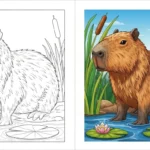
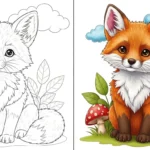
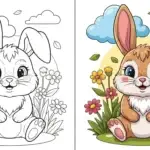
We offer a wide collection of free, high-quality printable coloring pages for kids and adults. From cute animals to intricate mandalas, our designs bring creativity and relaxation to everyone. Download, print, and start coloring today!

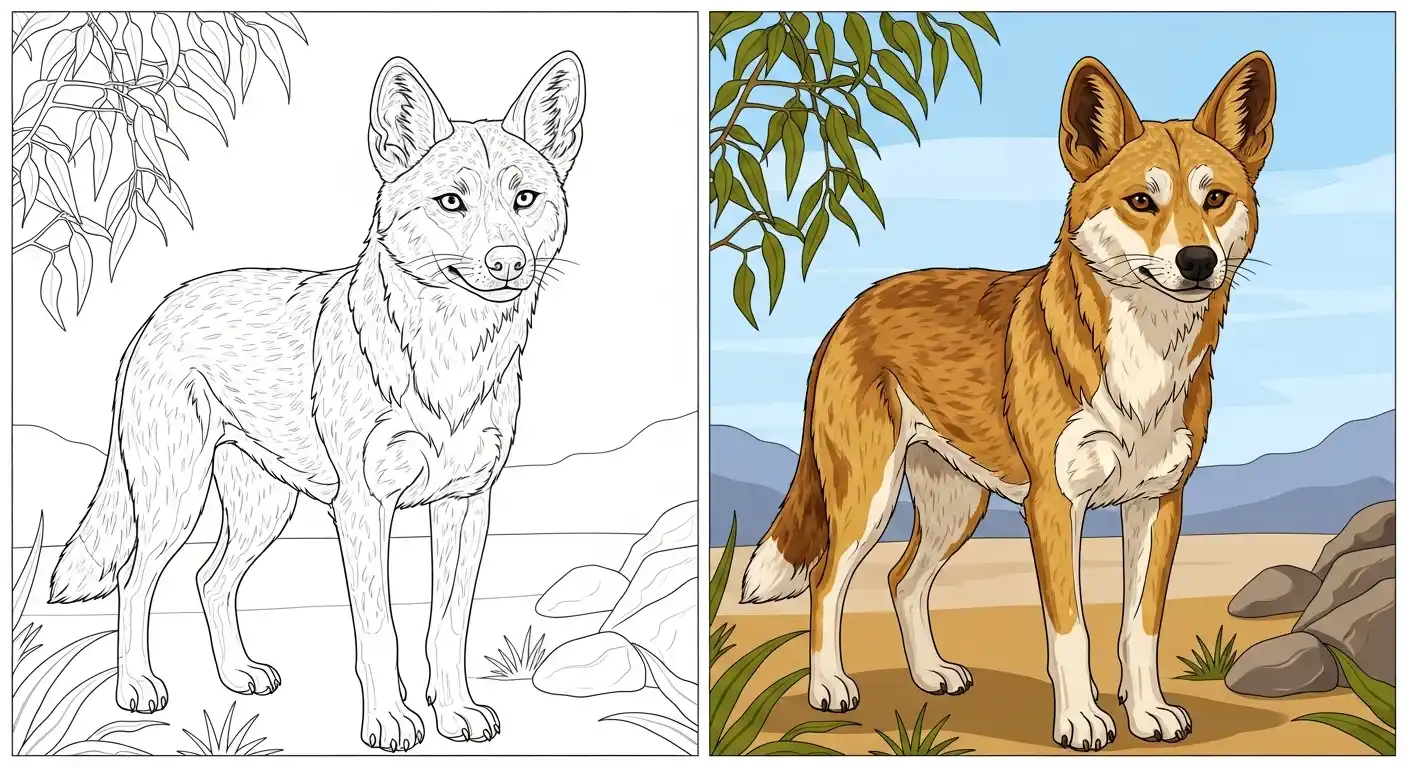
A wild Australian dingo stands ready on the page, waiting for your child to bring its fierce spirit to life with bold color choices. These dingo coloring pages turn quiet afternoons into focused skill-building sessions for kids (5–8), helping strengthen hand muscles and attention spans while exploring one of Australia’s most iconic wild canines. Print a sheet instantly and watch creativity flourish alongside fine motor development. No special prep needed—just grab pencils and let the Outback adventure begin.
Dive Into Your Dingo Selection
Find the perfect design that matches your young artist’s mood and challenge level today. Each sheet celebrates the dingo’s wild spirit while offering age-appropriate artistic opportunities.
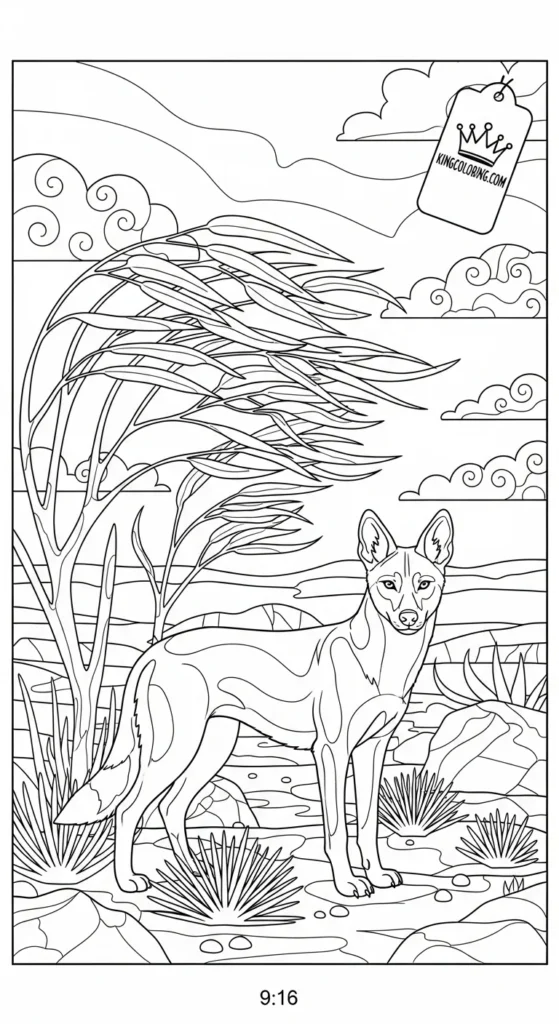
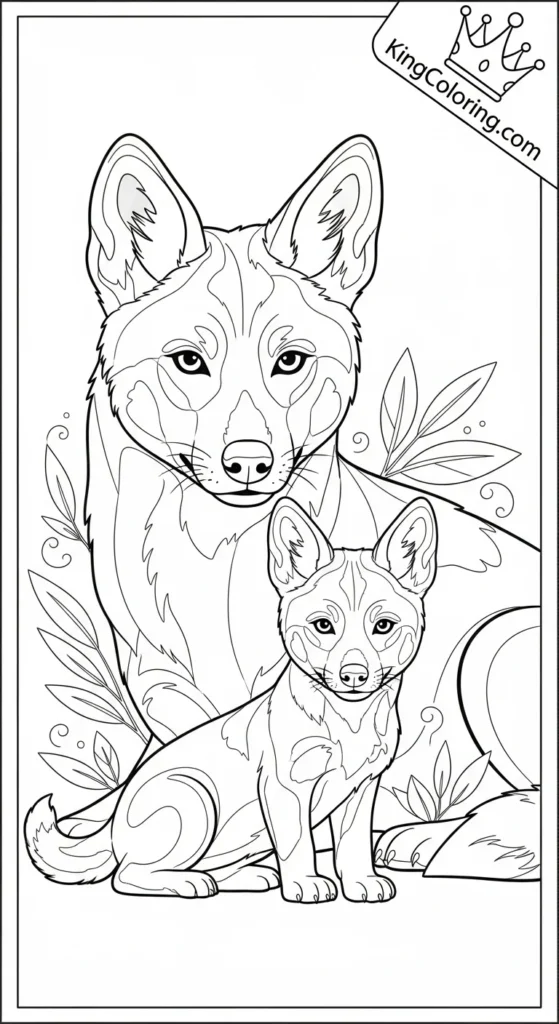
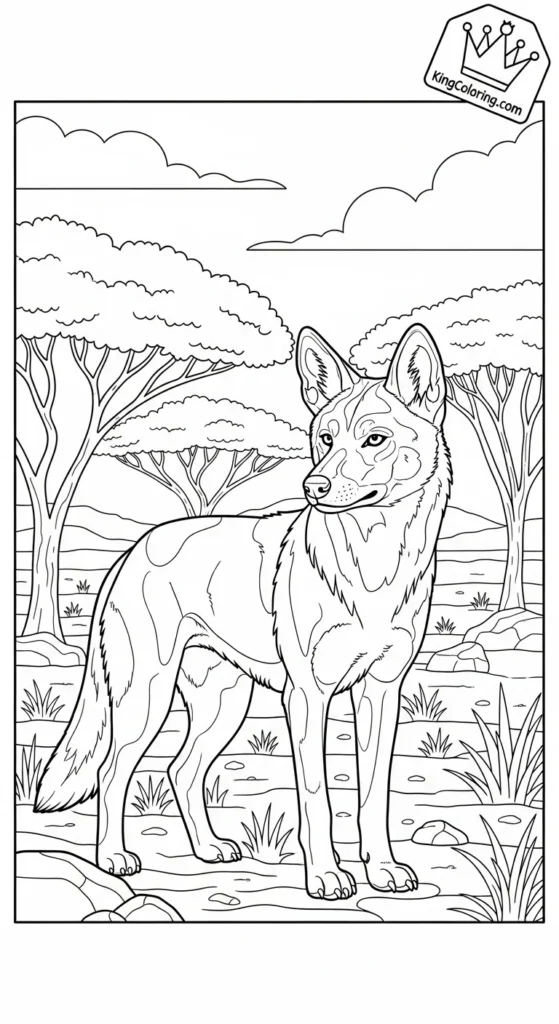
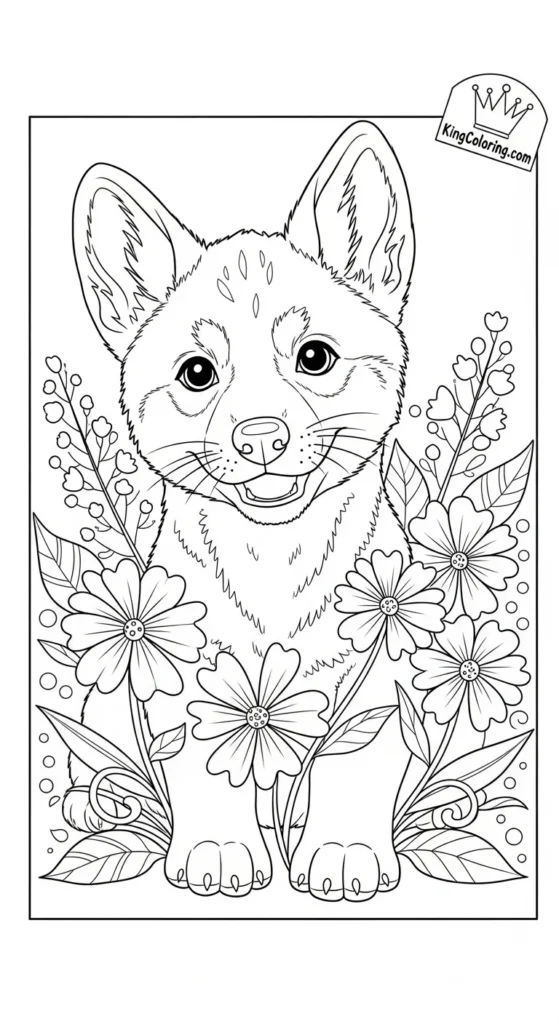
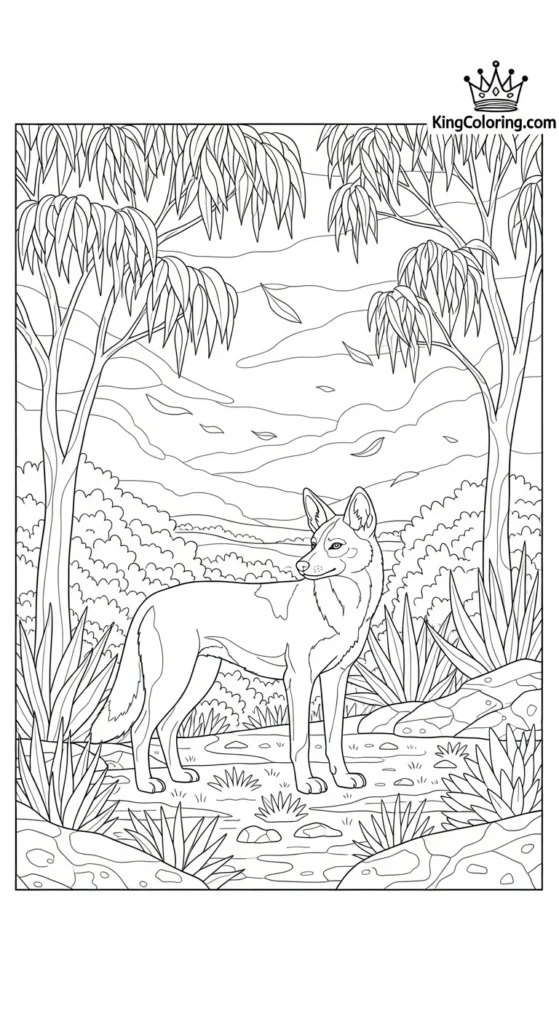
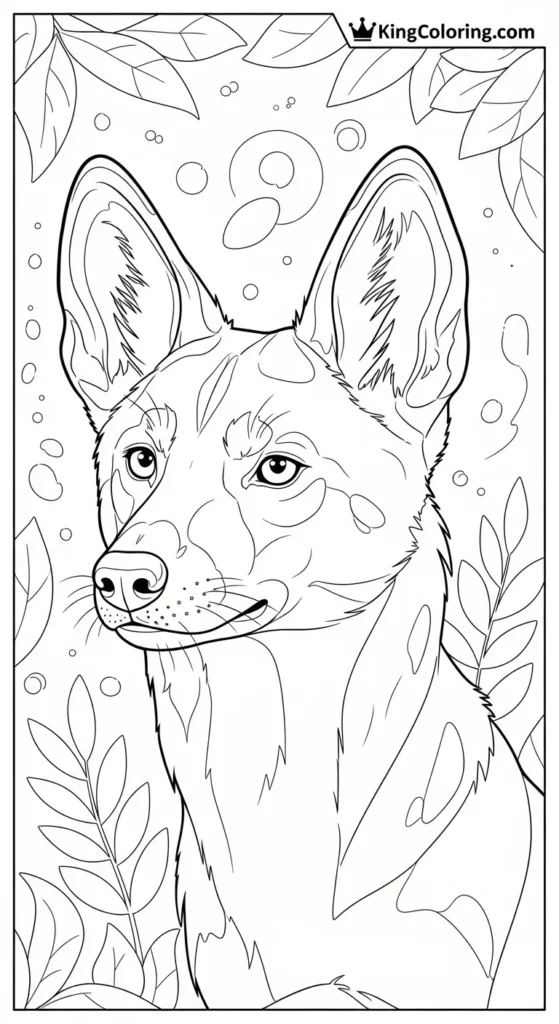
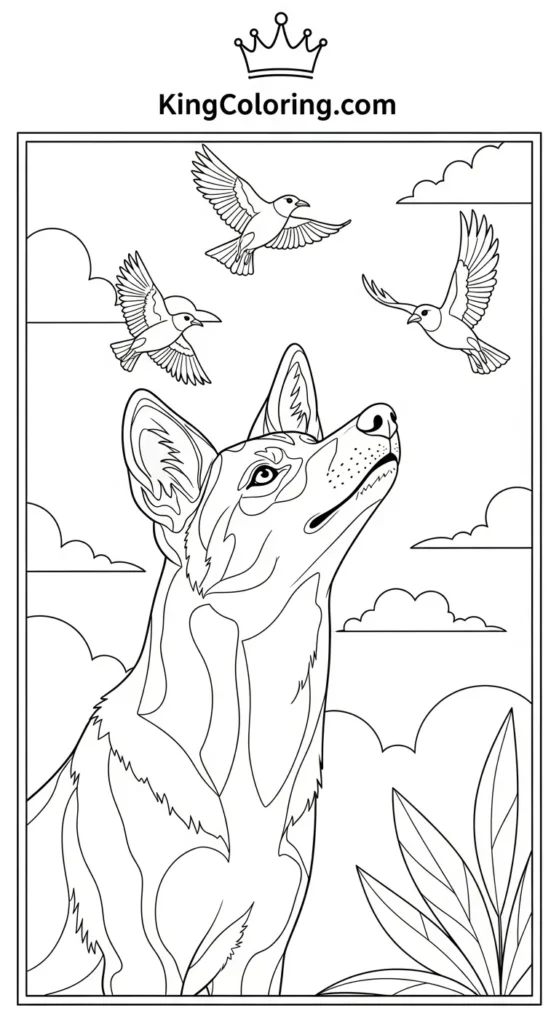
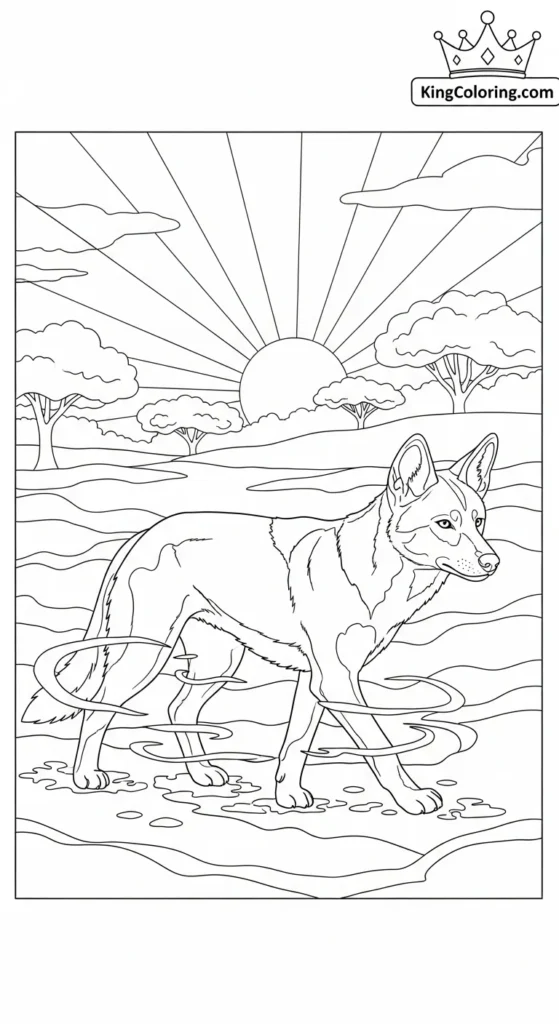
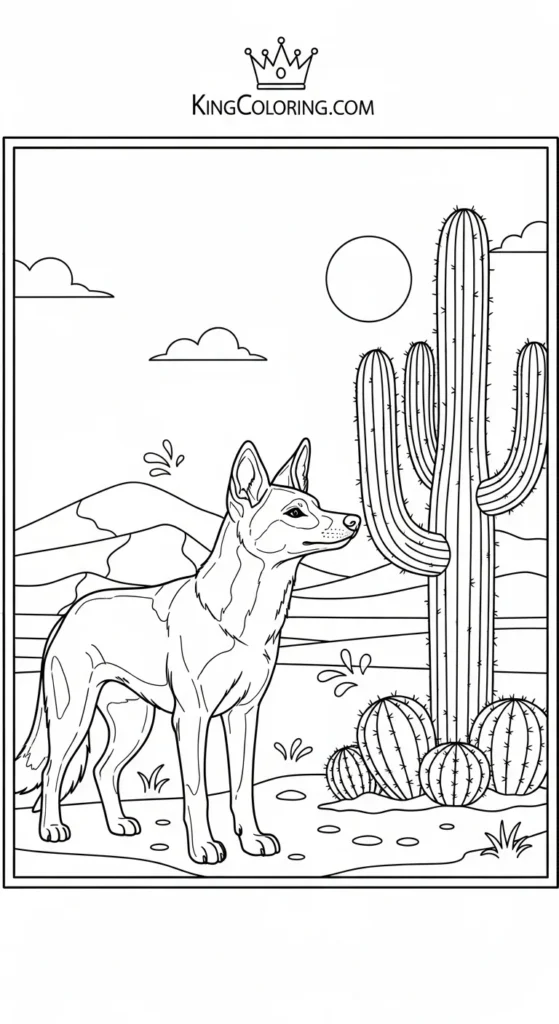
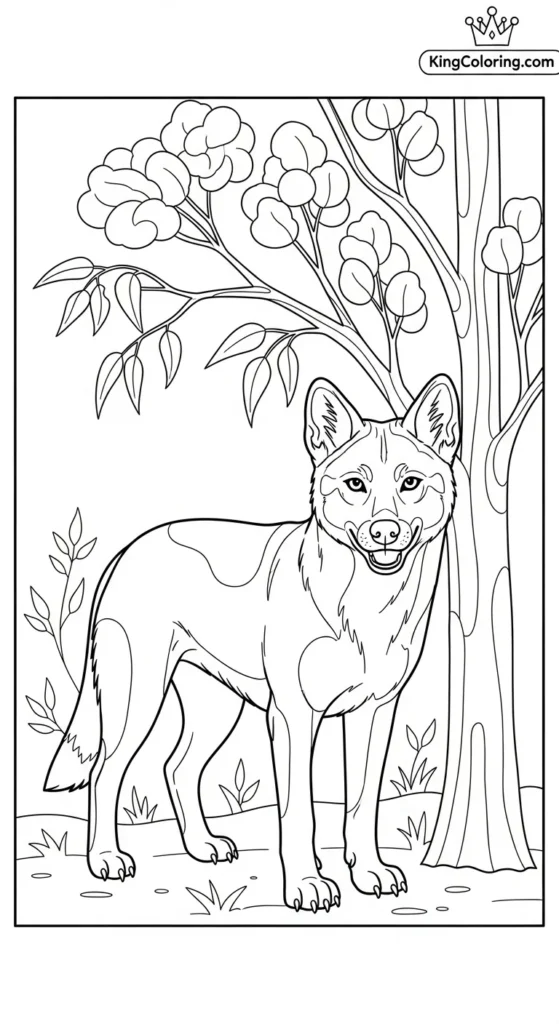
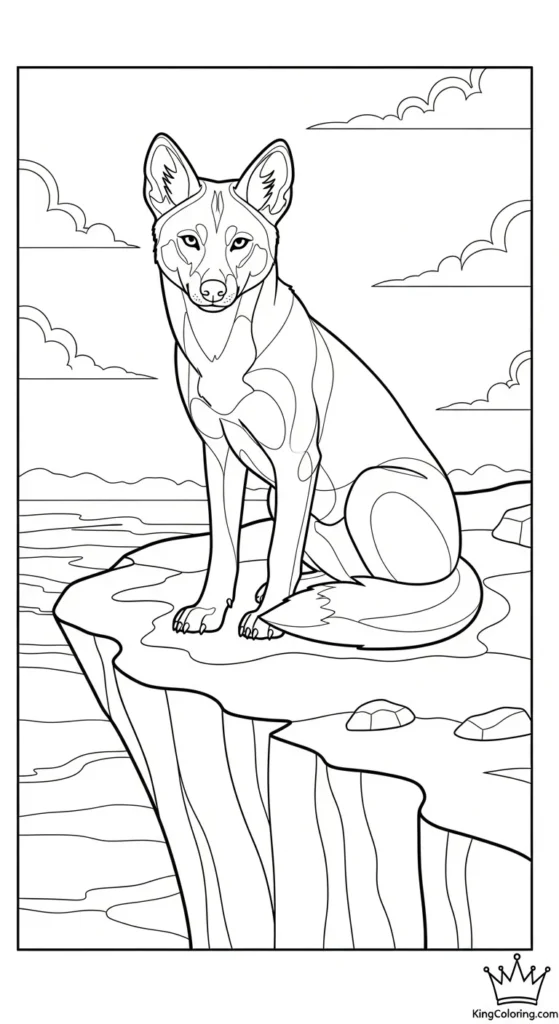
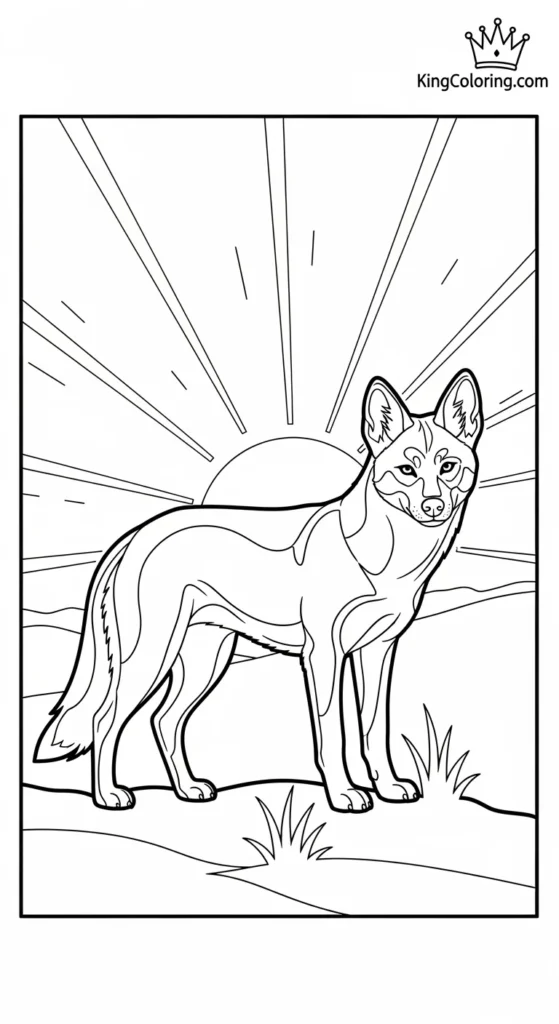
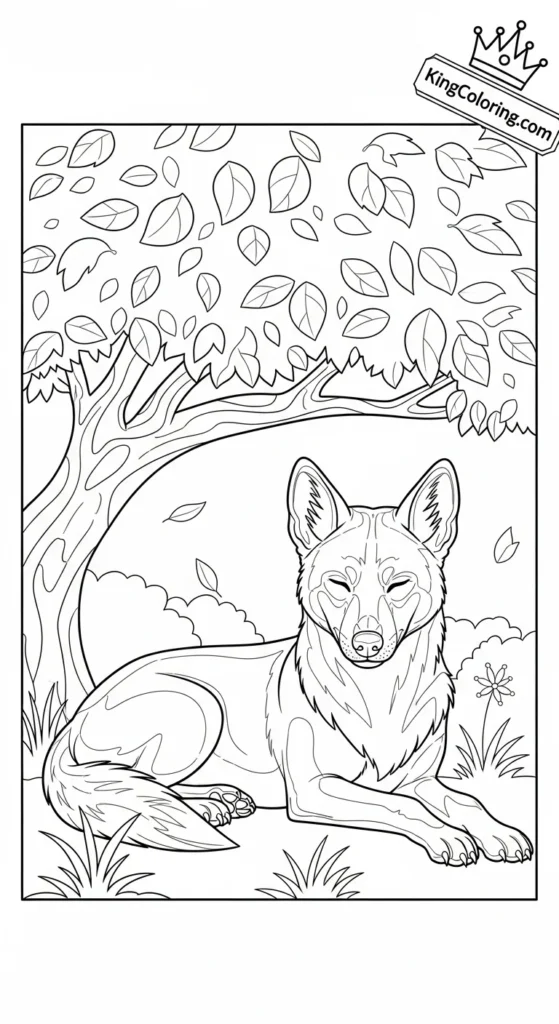
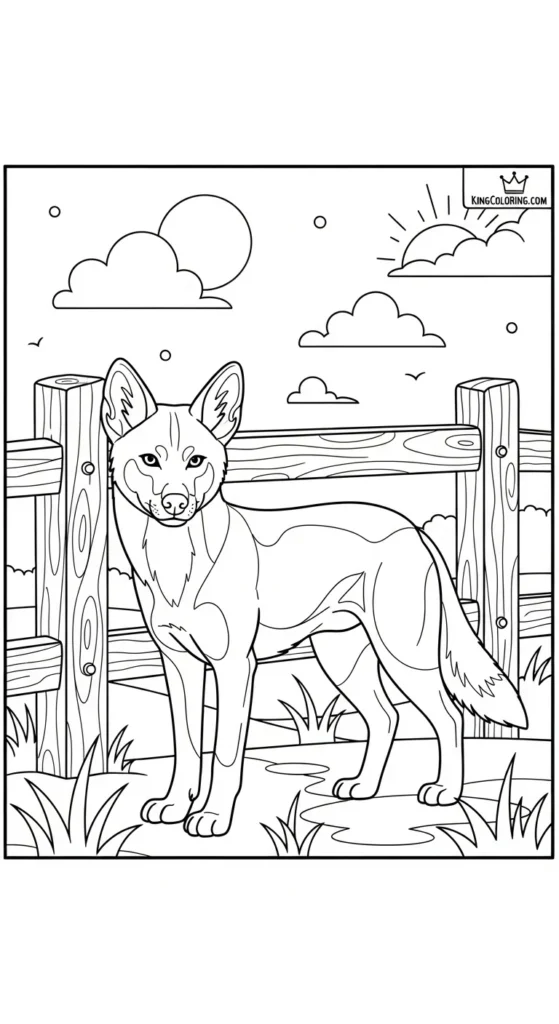
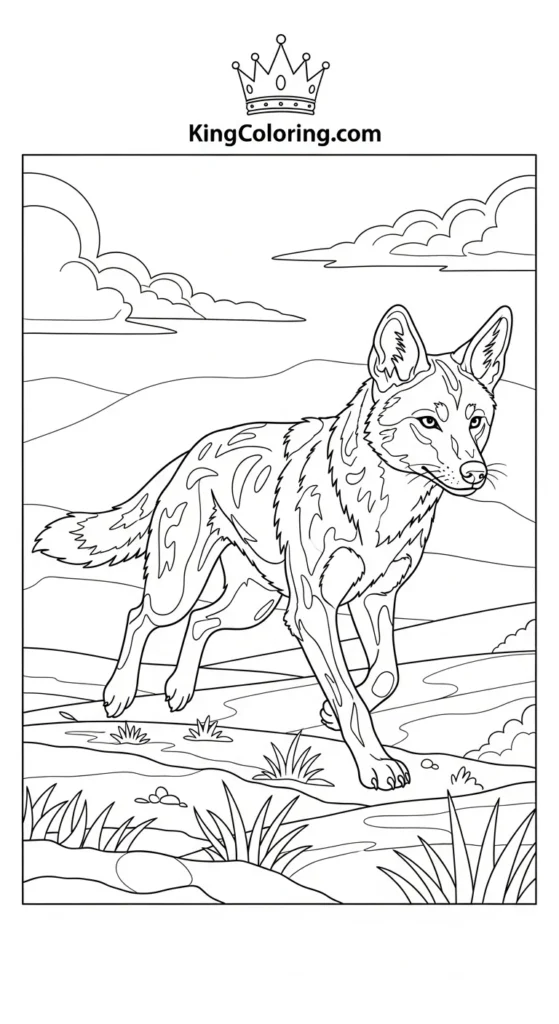
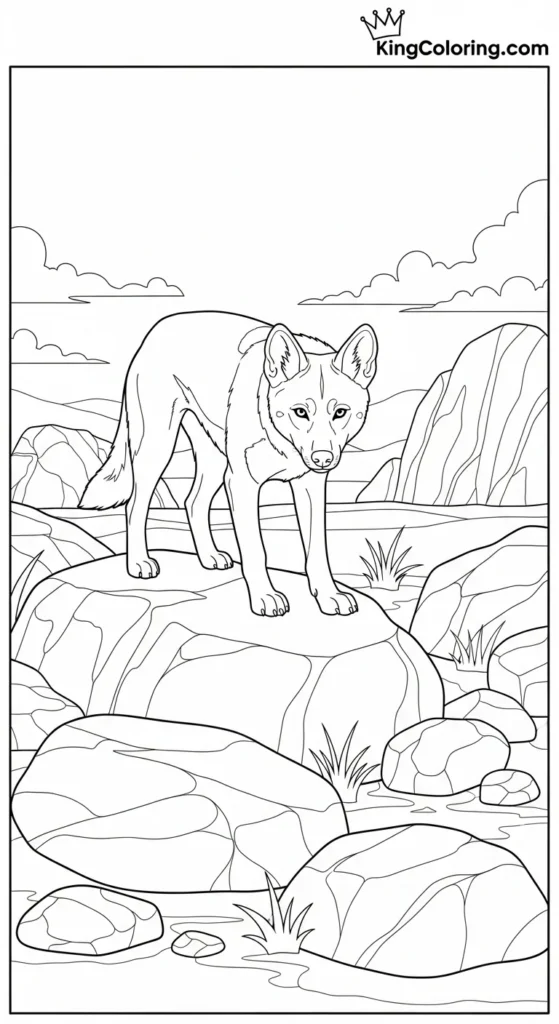
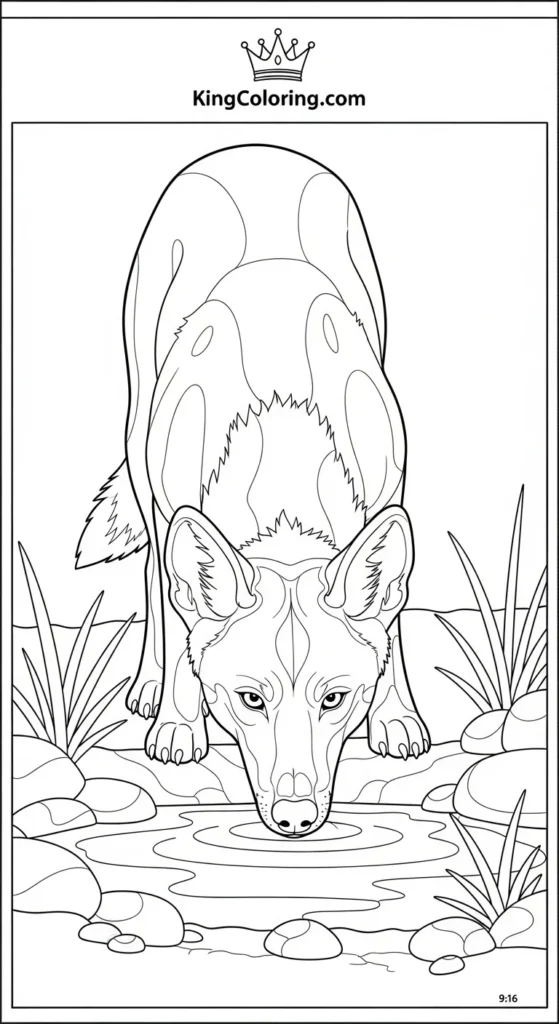
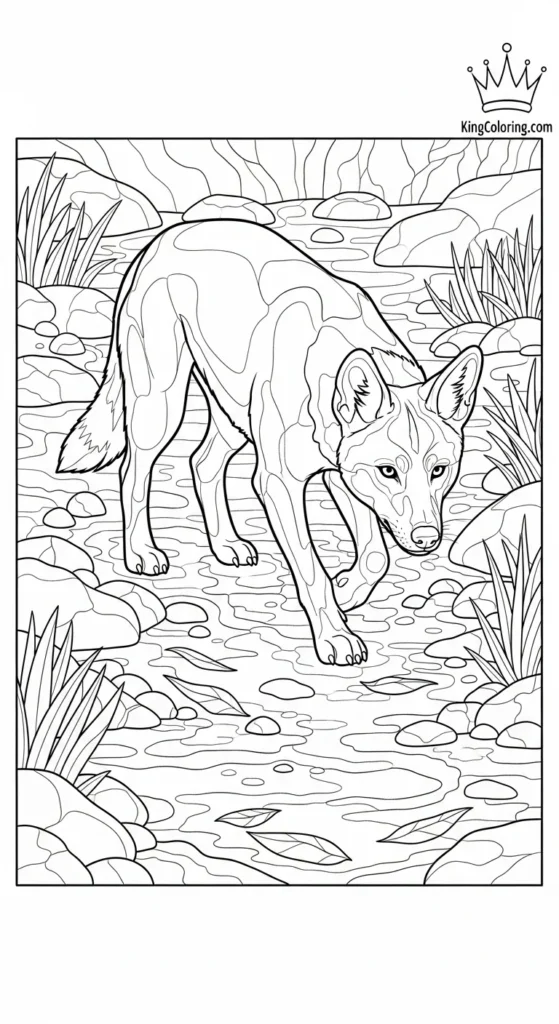
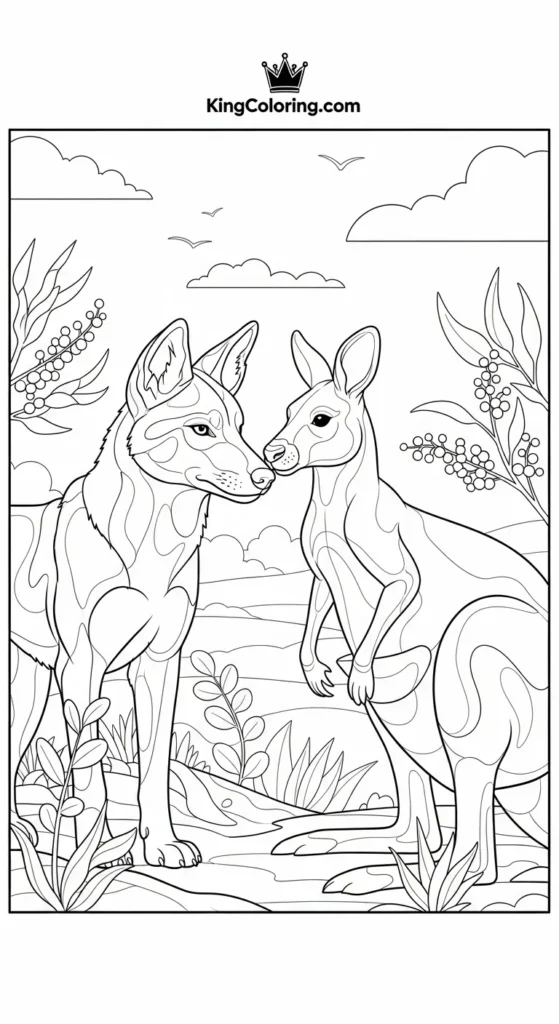
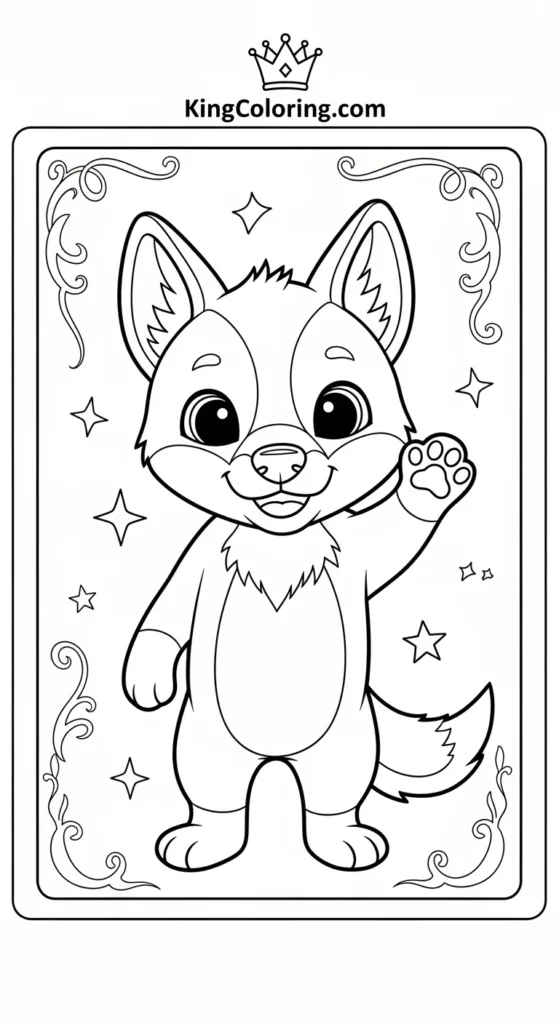
Table of Contents
Print Settings Made Simple
A clean, well-sized printout makes coloring more enjoyable and less frustrating for young hands. These straightforward steps help you avoid wasted paper and ink while getting crisp results every single time.
Start by matching your paper size. These files work on both US Letter (8.5 x 11 inches) and A4 (210 x 297 mm). In your print dialog, choose “Fit to Printable Area” to keep the dingo centered without cutting off ears, tails, or paws. If edges still disappear, manually set margins to 0.25 inches minimum.
Next, select the right paper type. Standard 20–24 lb copy paper handles crayons and colored pencils beautifully. If your child prefers markers or watercolors, switch to 65–80 lb cardstock to prevent bleed-through. Enable “Heavy Paper” mode in your printer driver for optimal ink absorption.
Finally, set print quality to “High” or “Best.” Draft mode creates faint, broken lines that frustrate young artists. Dark, continuous outlines help children stay engaged and feel proud of their finished work.
Three quick fixes for common issues:
- Cropped edges? Enable “Scale to Fit” and double-check margin settings in your printer preferences.
- Faint lines? Run a printer head cleaning cycle via the maintenance menu, then reprint at “High Quality.”
- Image too small? Use “Custom Scale” at 105% for a bolder, easier-to-color result.
Turn Coloring Time Into Learning Moments
These pages support meaningful development while keeping the entertainment factor high. Here’s how each session builds abilities that transfer beyond the art desk.
Learning Goals
- Fine Motor Control: Tracing the dingo’s distinctive fur patterns strengthens pencil grip and hand-eye coordination needed for handwriting.
- Focus & Patience: Completing a detailed sheet encourages sustained attention, a skill that transfers to classroom tasks and homework time.
- Wildlife Curiosity: Talk about where dingoes live (Australia, Tasmania) while coloring to spark interest in geography, wildlife conservation, and ecosystems.
Mini Fun Facts to Share While Coloring
- Dingoes were domesticated thousands of years ago but later went feral in Australia!
- Their name comes from an Aboriginal word meaning “dog.”
- They are excellent swimmers and often hunt near rivers and coastlines.
- Dingoes have unique voices—they howl differently than regular dogs.
- Only purebred dingoes exist in the wild in Australia today!
Try this: After coloring, ask your child what they learned about dingoes. This simple question builds observation skills and reinforces learning!
Creative Ways to Keep the Fun Going
Finished pages deserve more than the recycling bin. Transform them into keepsakes with these easy, engaging projects that extend learning past coloring time.
Hands-On Project Ideas
- Dingo Puppet: Cut out the finished portrait, glue to cardstock, and attach a popsicle stick for instant storytelling fun.
- Outback Diorama: Color multiple sheets, cut them out, and arrange in a shoebox with sand-colored paper and green tissue-grass for a 3D habitat scene.
- Australian Fact Journal: Staple colored pages with handwritten dingo facts inside for a personalized wildlife guide to share with classmates.
- Paw Print Wall Display: Frame finished artworks and hang them as a mini-gallery celebrating Australian wildlife champions.
Pro Tips for Young Explorers
- Keep coloring sessions short (10–15 minutes) for toddlers and longer (15–20 minutes) for older kids.
- Praise effort rather than perfection—”You worked hard on those spots!” means more than “That looks perfect!”
- Store completed pieces flat under books to prevent curling during storage.
Discover a Fantastic World of Animal Coloring Pages
Looking for more designs to print? Explore a wide range of animal coloring pages featuring many species, fun themes, and creative styles for all ages.
Got Questions? We Have Answers
Got questions about using these dingo pages effectively? Find simple, practical answers below.
What age are these dingo pages best for?
Most designs suit kids 5–8, with simple outlines for beginners and detailed patterns for those ready for deeper focus. Check gallery notes to match skill level to your child.
Can I use these for classroom or homeschool activities?
Absolutely! Print multiple copies for an Australia unit, mammals lesson, or conservation discussion. The Learning Goals align with fine motor and elementary science standards.
Do I need special art supplies?
Nope! Standard crayons, markers, or colored pencils work great on copy paper. For display-worthy art, try cardstock and colored pencils for vibrant, smudge-free results.
How do I download the PDF?
Click the “Download as PDF” note under any gallery item. The file saves to your device—ready to print anytime, even offline or while traveling.