We offer a wide collection of free, high-quality printable coloring pages for kids and adults. From cute animals to intricate mandalas, our designs bring creativity and relaxation to everyone. Download, print, and start coloring today!

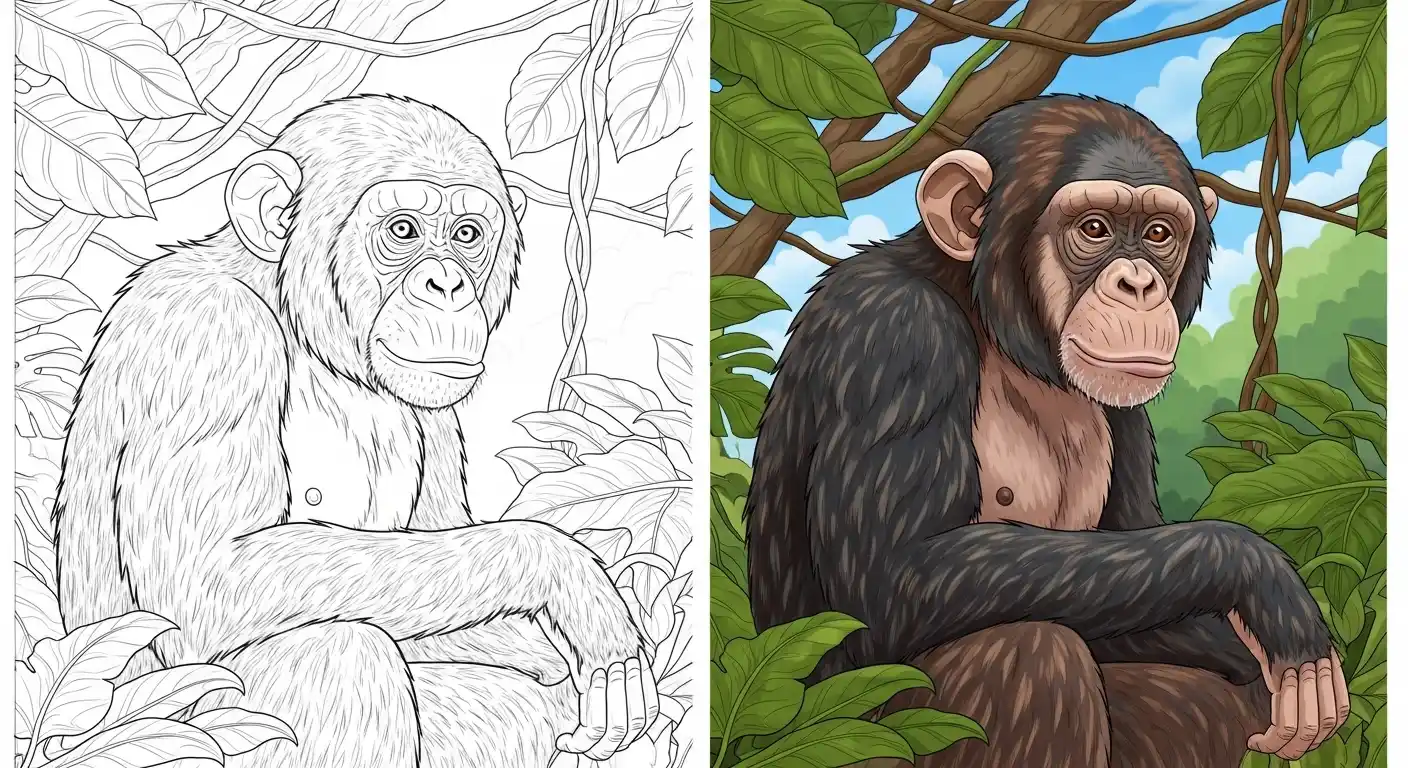
Looking for printable animal coloring sheets that spark imagination? Chimpanzee designs deliver character, detail, and endless variety—all free to grab and print. We’ve assembled 56 chimpanzee coloring pages spanning playful cartoon styles, highly realistic primate portraits, adorable kawaii versions with oversized expressions, intricate mandala compositions, lush jungle habitat scenes, festive seasonal themes, minimalist line drawings for beginners, and experimental modern art interpretations. Whether you’re an adult seeking meditative creative time or a parent hunting screen-free engagement for kids, there’s a chimp design here for your mood and skill.
Chimpanzees make surprisingly compelling coloring subjects. Their expressive faces, human-like hands, and intelligent eyes create natural focal points that feel satisfying to color. Many people never consider primates beyond the standard bear or lion, so chimpanzee pages offer novelty that keeps both children and grown-ups genuinely interested in the creative process.
Showcase Chimpanzee Printable Designs
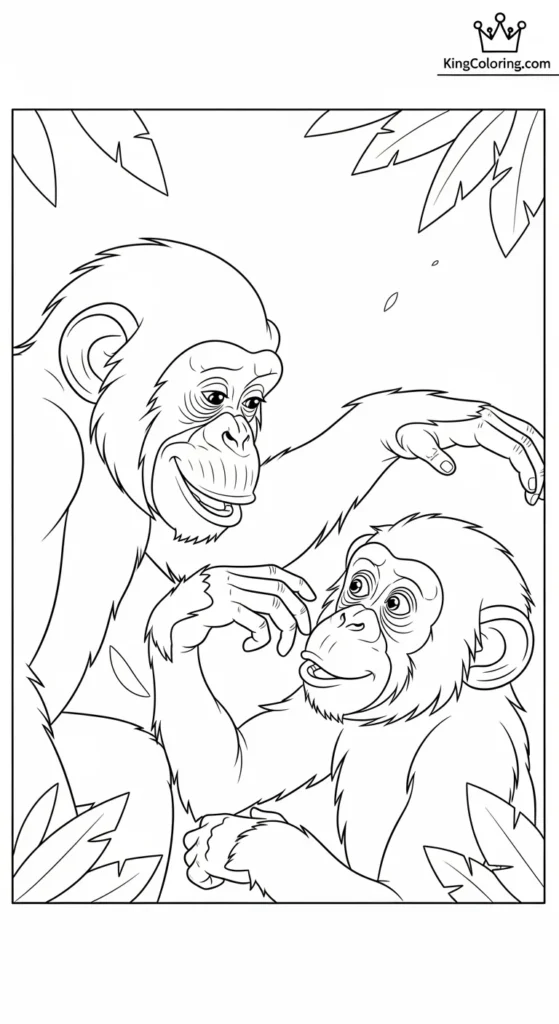
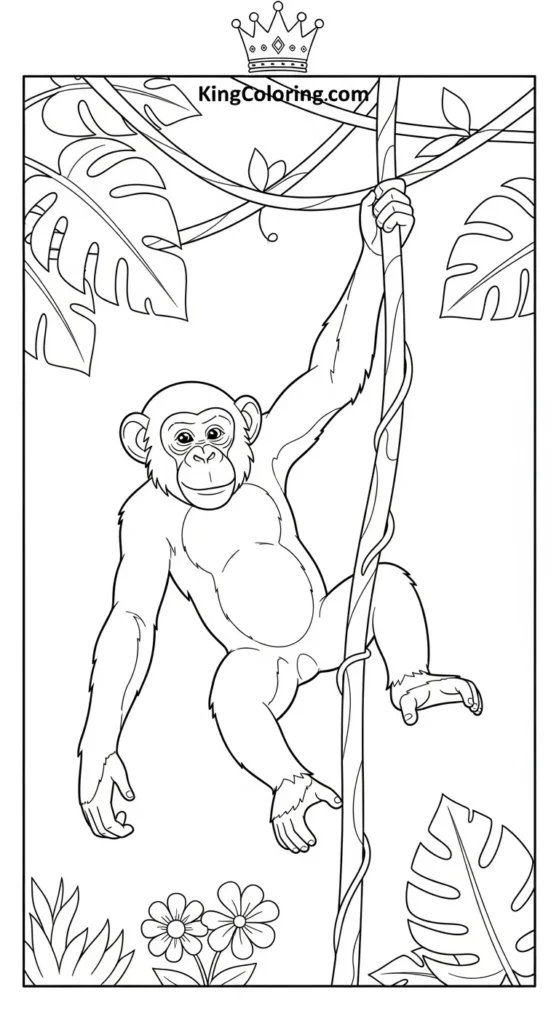
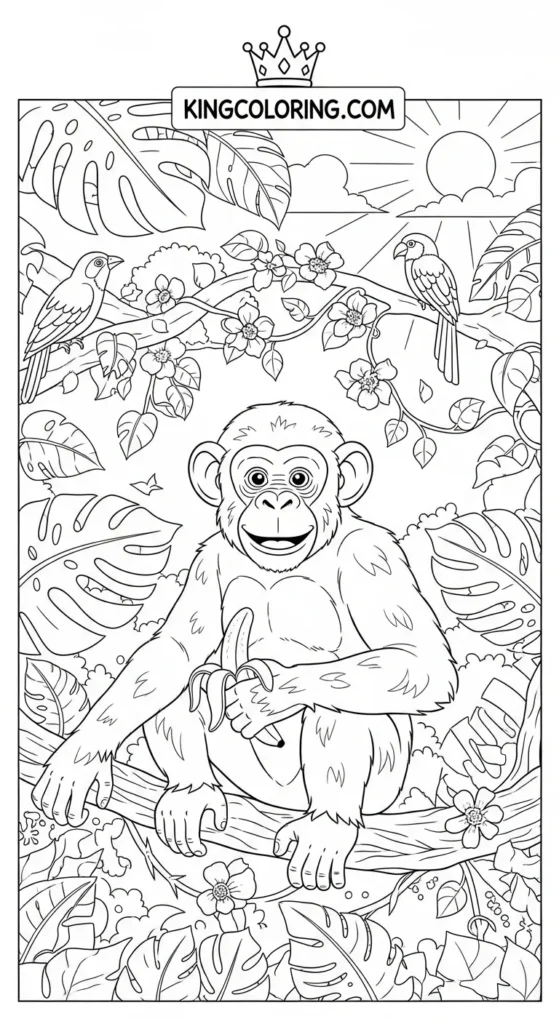
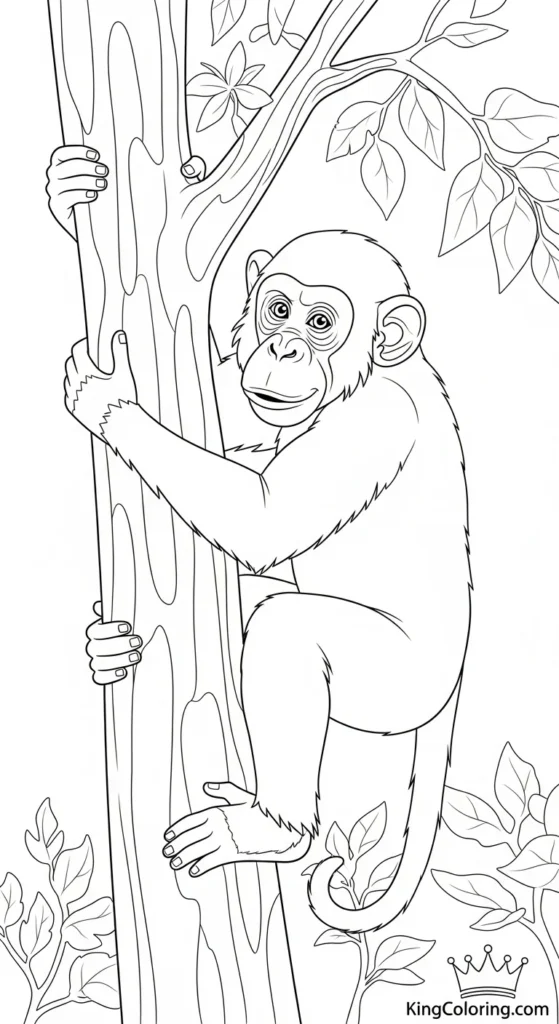
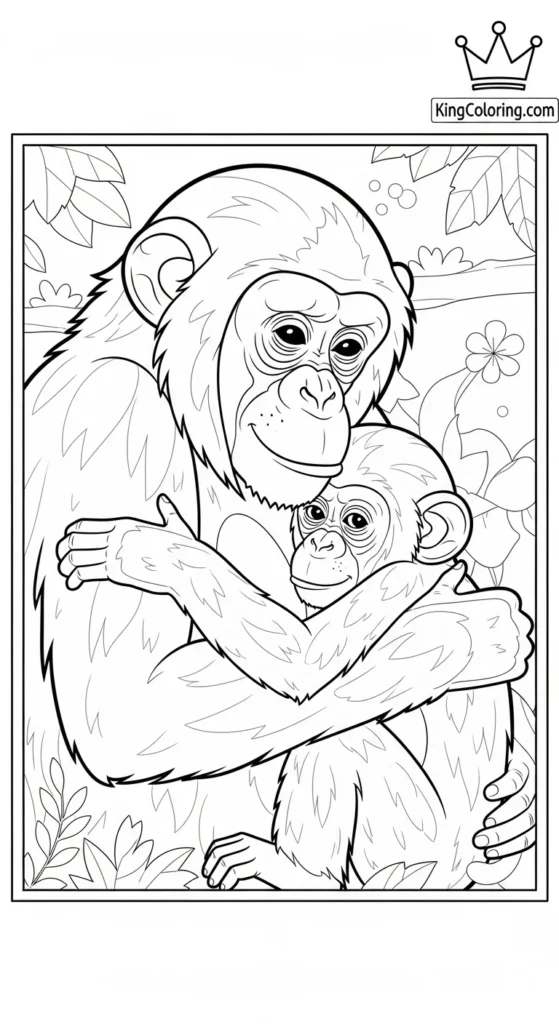
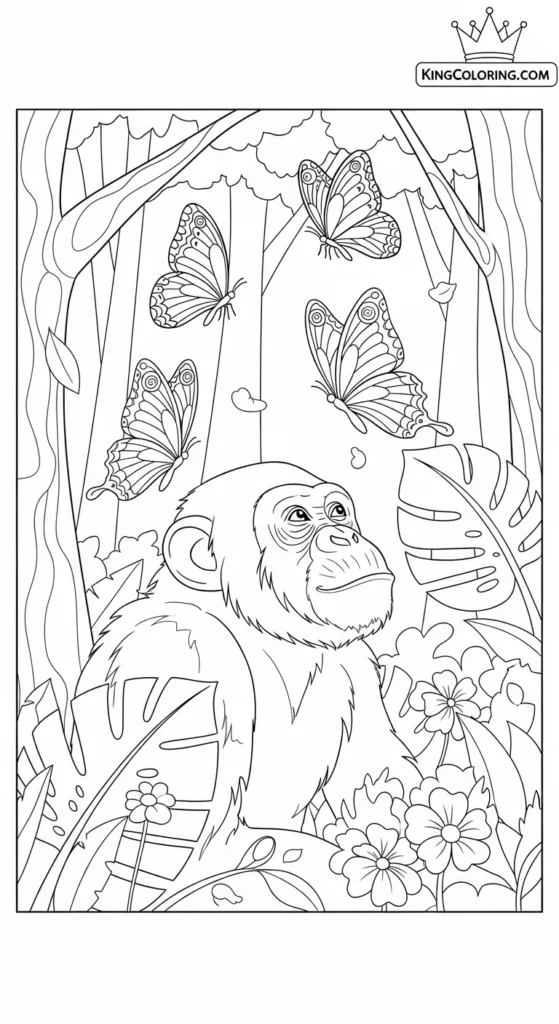
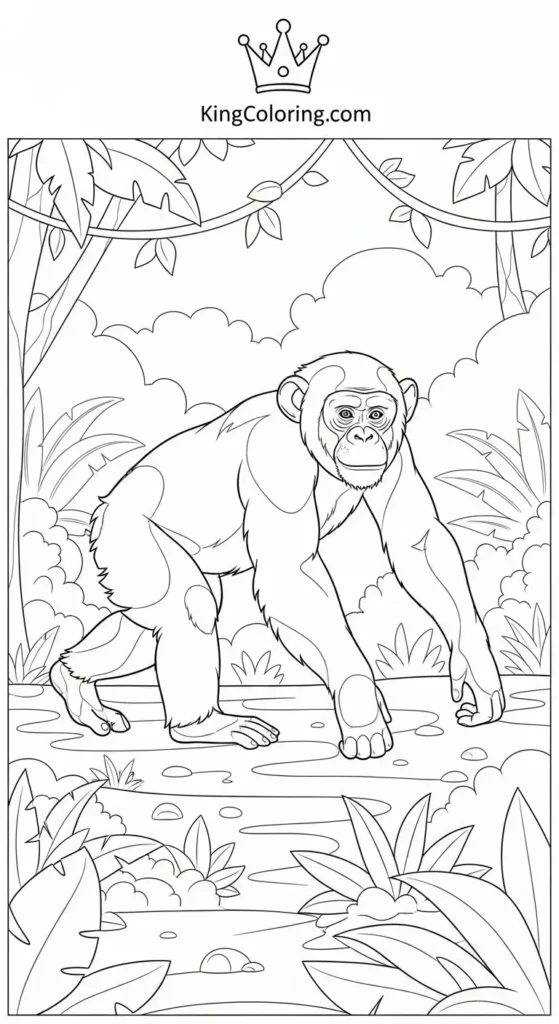
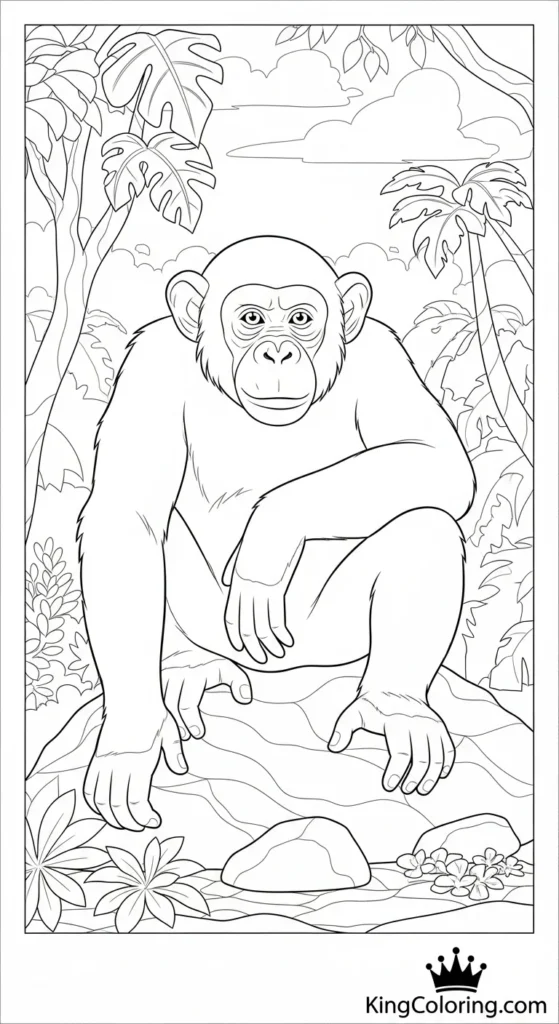
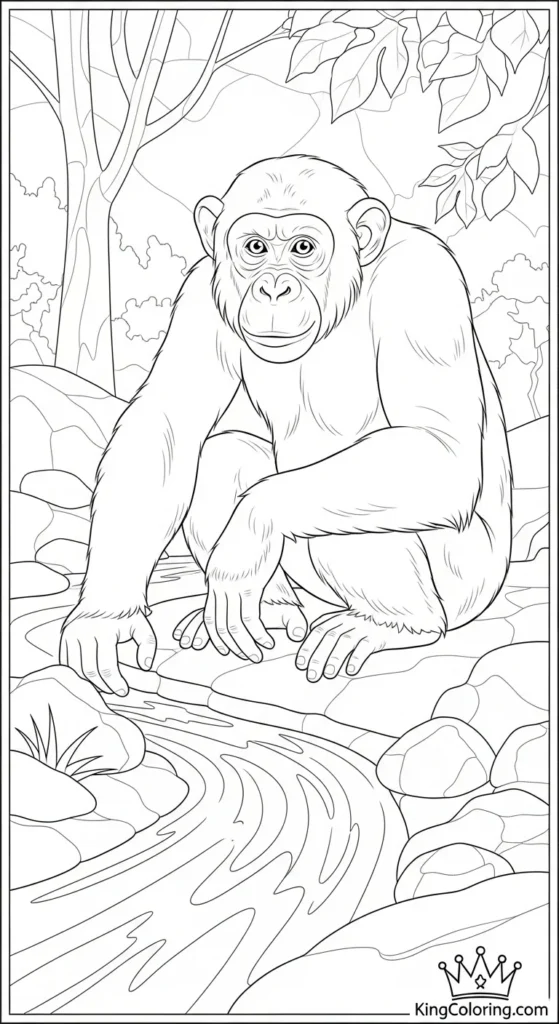
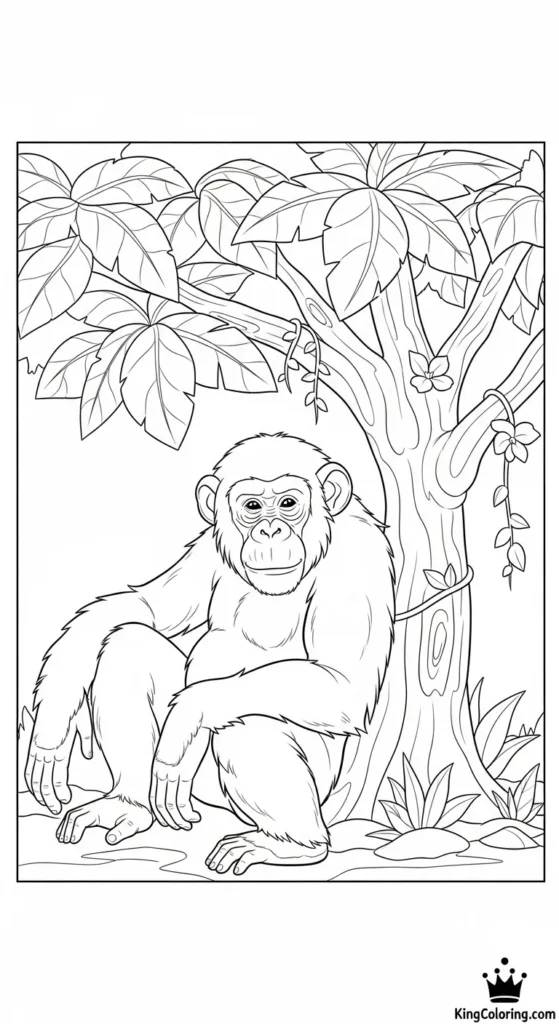
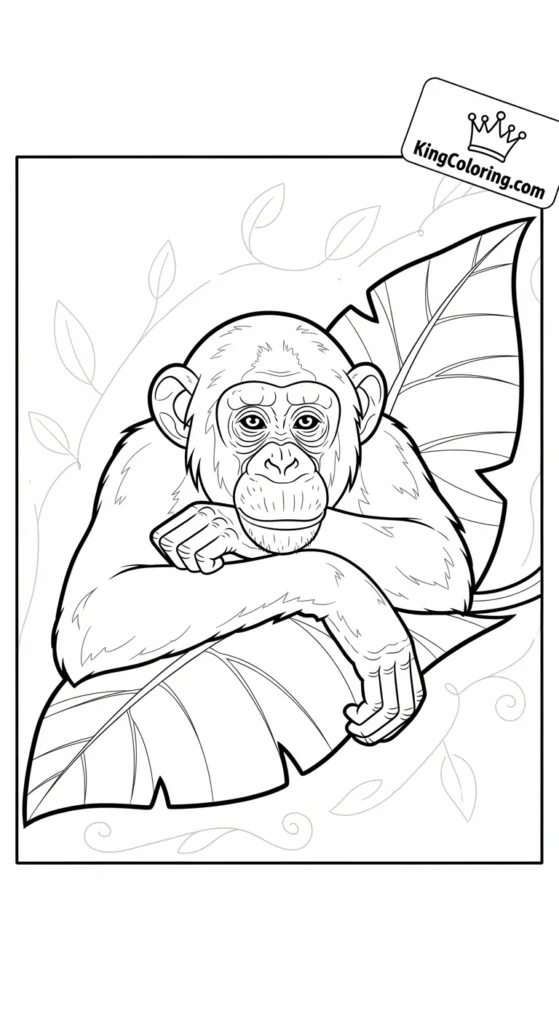


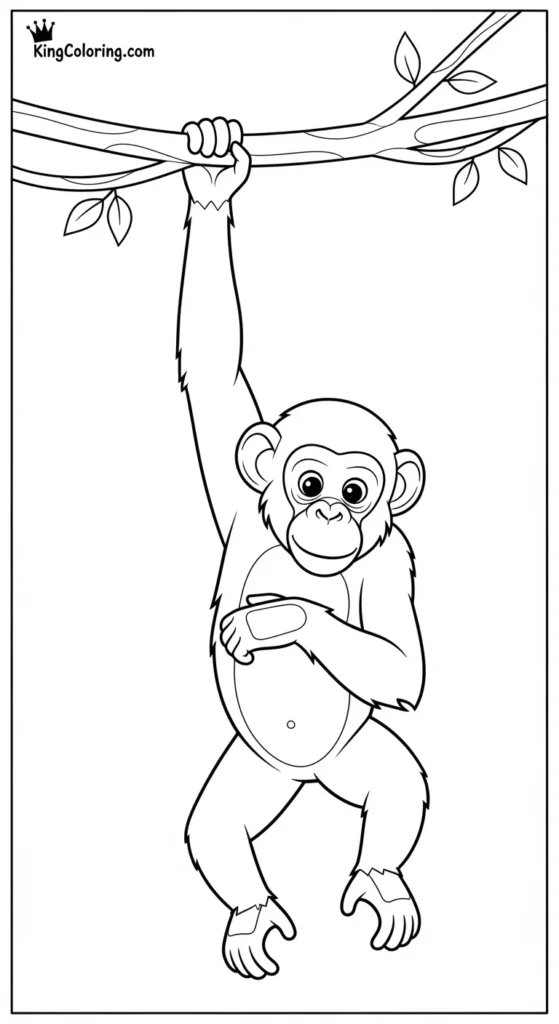
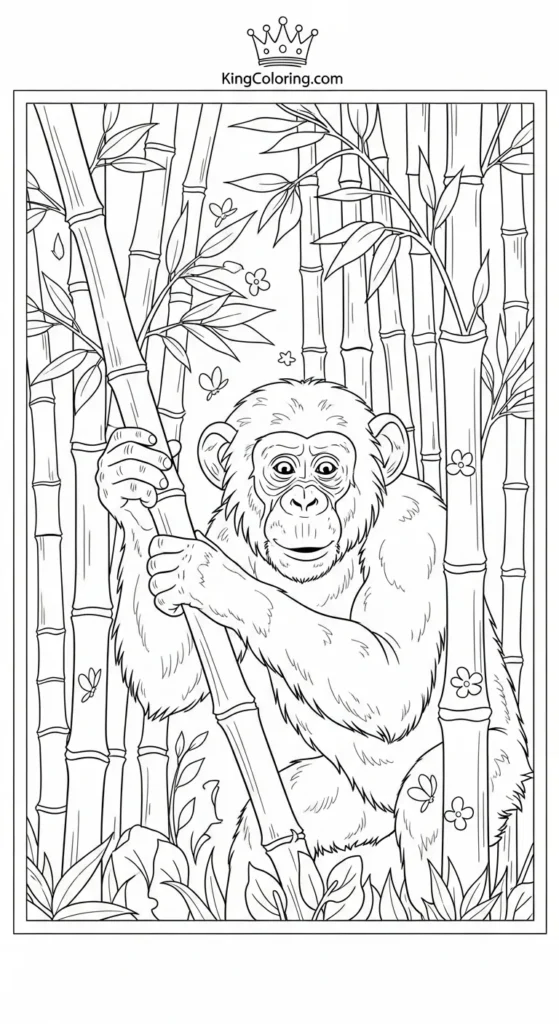
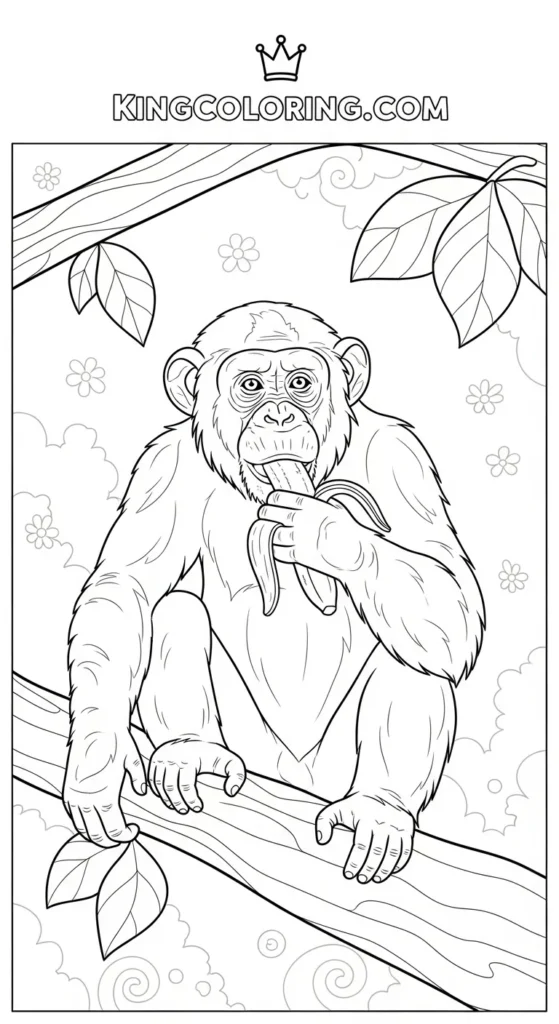
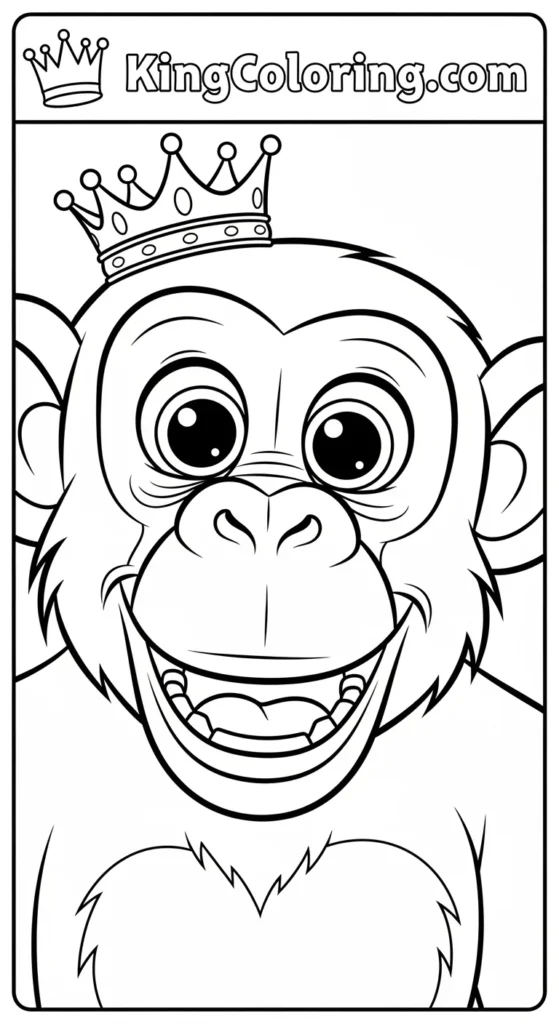
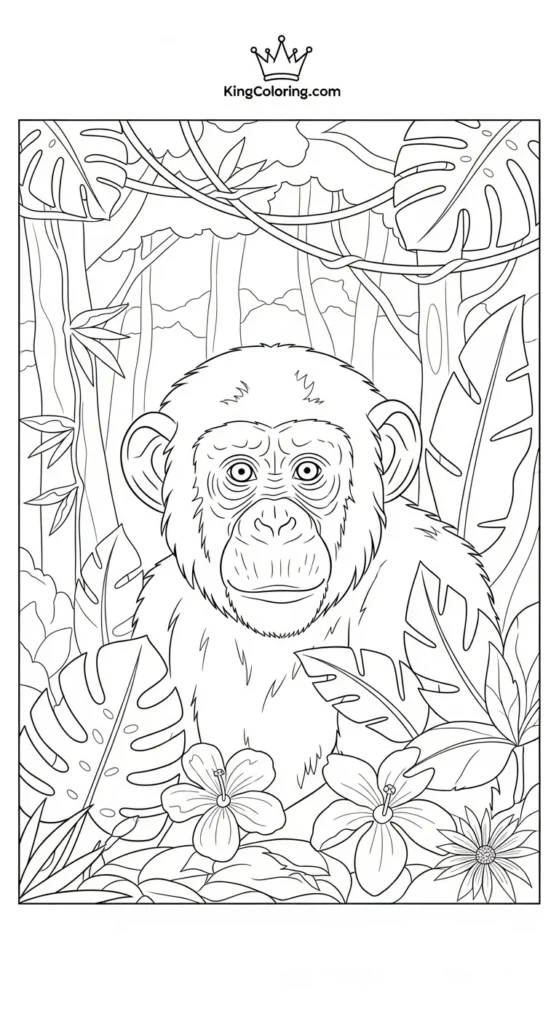
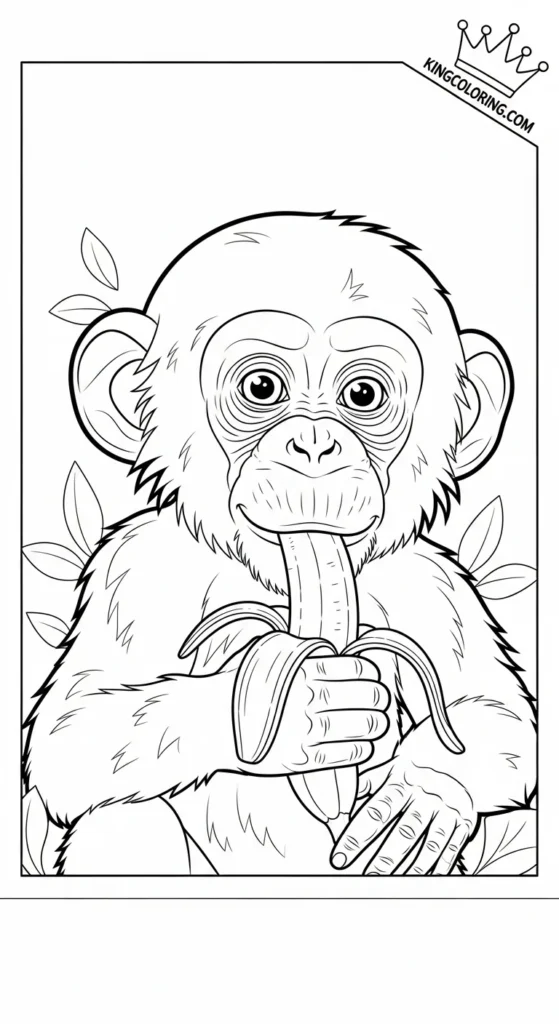
Table of Contents
Getting Chimpanzee Pages Printed Correctly
Printing preparation matters more than most people realize. Let’s walk through the exact settings that prevent common frustration.
US Letter Format (8.5″ × 11″)
Open your chimpanzee PDF in any standard browser or PDF application. Press Ctrl+P (Windows) or Cmd+P (Mac) to launch print settings. Choose US Letter as your paper size. Set scaling to 100%—this is non-negotiable; any scaling percentage changes dimensions and may distort the design. Portrait orientation suits nearly all chimp designs, though a few wider jungle scenes work better in landscape. Confirm your settings match and send to print.
A4 Size (210 × 297 mm)
Pull up the PDF and open Print settings. Select A4 paper size from the dropdown menu. Check the “Fit to printable area” option to preserve all margins proportionally. Your default margins are already optimized—don’t adjust them. Portrait mode handles the majority of designs; landscape works only for explicitly horizontal compositions. Click print when ready.
When Things Go Wrong—Three Solutions
Page edges cutting off? The “Fit to page” option is your fix—it automatically shrinks the image to fit safely within printable zones. Faint or ghostly lines on the output? This signals low-resolution PDF quality. Either download a fresh copy if available, or boost your printer’s DPI setting to 600 (300 DPI minimum acceptable). Image appearing stretched or squeezed awkwardly? Verify orientation matches composition—tall designs need portrait, wide designs need landscape. Orientation mismatch causes distortion consistently.
Teacher Tips for Classroom Success
Chimpanzee coloring integrates smoothly into science, art, and social-emotional learning lessons. Print sets in advance—one sheet per student reduces morning stress and keeps lessons flowing. Display finished pages on a bulletin board as a gallery; seeing their work celebrated motivates kids toward quality effort.
Connect coloring to content by discussing chimpanzee behavior, habitat, and intelligence while kids color. Ask questions like “Why do you think chimps have such expressive faces?” or “What colors would you find in a real rainforest?” This transforms coloring from silent busy-work into genuine learning dialogue.
Offer choice in coloring medium: colored pencils for detail-focused kids, markers for kids who love bold coverage, crayons for little hands still building control. Mixed media sessions where kids combine tools create surprisingly sophisticated results. Let students take pages home—parents love unexpected art projects that spark family conversations about animals and creativity.
DIY Craft Extensions Beyond Coloring
Finished chimp pages don’t need to stay flat. Cut out completed designs and glue them onto cereal boxes or paper bags to create animal puppet masks for imaginative play. Kids can perform skits or stories with their creations.
String multiple colored chimps together as a paper chain garland for classroom decoration or bedroom walls. Laminate finished pages and use them as placemats for a themed meal or snack time. Scan colored pages and turn them into digital collages using free online tools—this adds a tech-forward layer to the creative process.
Create a “chimp habitat diorama” by gluing colored pages inside a shoebox with added jungle elements—tissue paper leaves, twigs, stones. This three-dimensional project extends the coloring experience into spatial thinking and environmental awareness. The tactile assembly engages kids differently than coloring alone and results in shareable artwork.
Learning Goals Through Primate Coloring
Coloring chimpanzee pages builds more than fine motor skills—it opens conversations about evolution, animal behavior, conservation, and human similarity. Kids naturally wonder why chimps look somewhat familiar, why their hands resemble ours, and what they eat in the wild. This curiosity becomes a springboard for reading and research.
Use coloring time to explore empathy and emotional recognition. Discuss the different expressions across designs: happiness, sleepiness, playfulness, intelligence. This emotional vocabulary transfers to how kids understand feelings in themselves and others. Primates display feelings visually just like humans do, making this connection clear and relatable.
Introduce color biology by explaining real chimpanzee fur coloration, skin tones, and adaptation. Why are chimps dark-colored? How does their pigmentation help them survive? This pairs scientific content with creative expression—the two reinforce each other naturally.
Explore a Complete World of Animal Coloring Pages
Looking for more printable fun? Discover a wide selection of animal coloring pages featuring many species, engaging themes, and creative designs for all ages.
Ready to engage kids with primates?