We offer a wide collection of free, high-quality printable coloring pages for kids and adults. From cute animals to intricate mandalas, our designs bring creativity and relaxation to everyone. Download, print, and start coloring today!

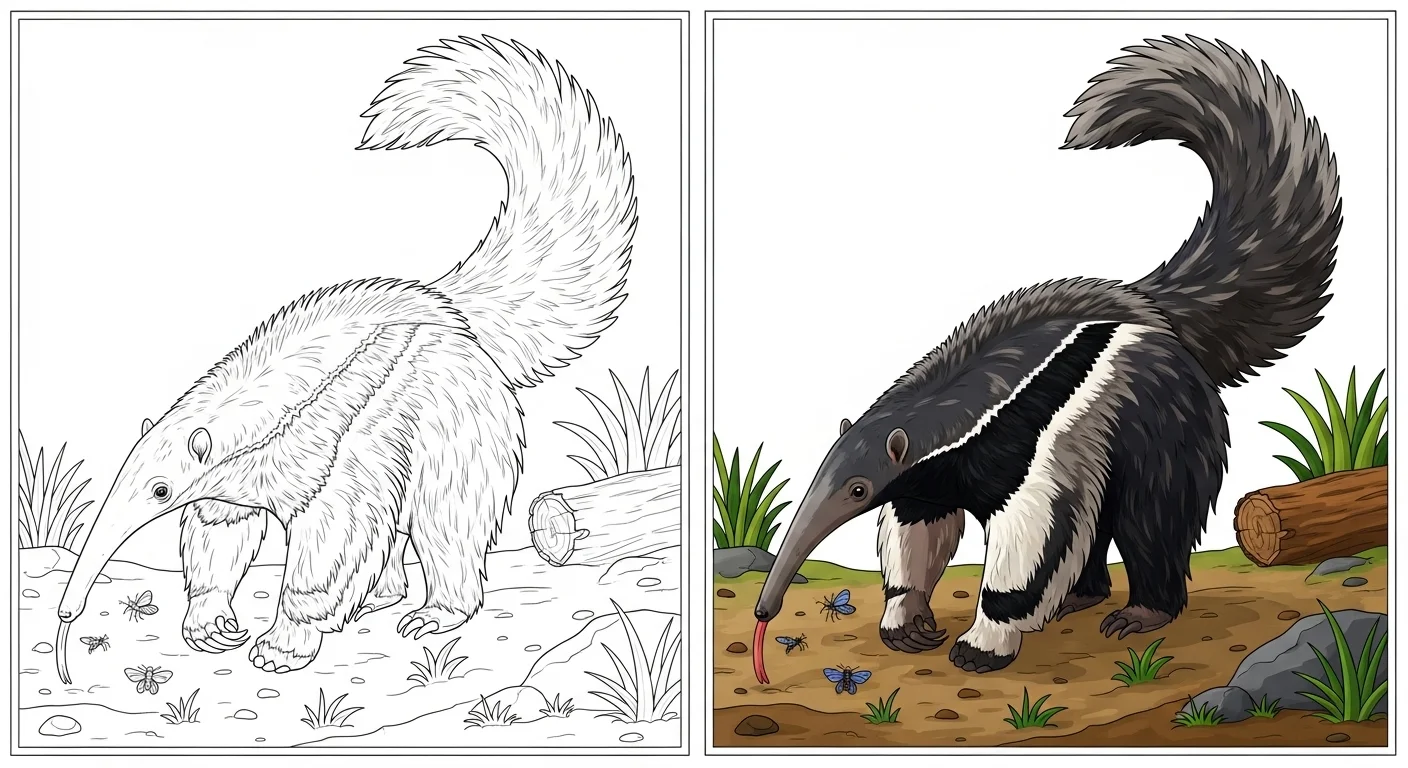
If you’re hunting for unique animal coloring pages, anteater designs bring character and charm to print time. We’ve gathered 42 free anteater coloring pages you can download and print right now—ranging from cute and cartoonish versions to detailed realistic styles, kawaii interpretations with big eyes, mandala-inspired patterns, jungle scenes, seasonal adventures, simple outline versions for toddlers, and even abstract geometric takes. Whether you’re coloring solo or with little ones, there’s something here for every skill level and mood.
These printables work just as well on a rainy afternoon as they do in a classroom, homeschool lesson, or waiting room. Many people skip past the usual suspects and discover that anteaters—with their long snouts and quirky charm—make surprisingly satisfying subjects to color. The variety means both five-year-olds and adults find something that matches their energy and interests.
Gallery Of Anteater Coloring Designs
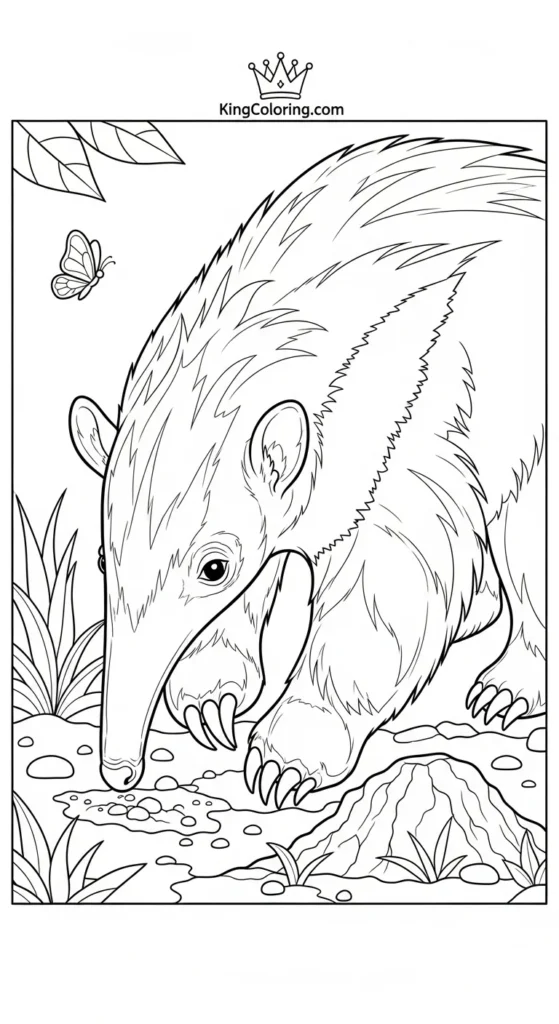
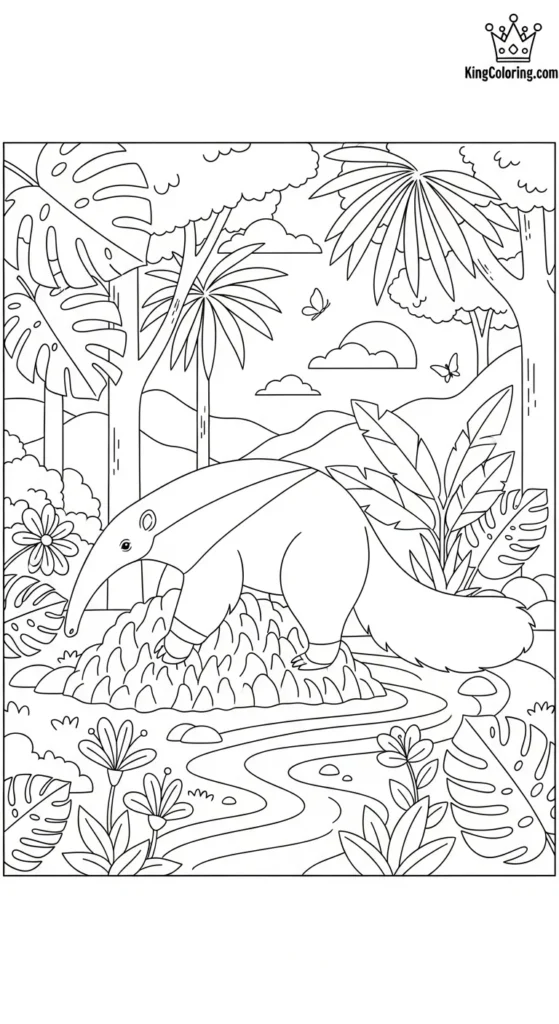
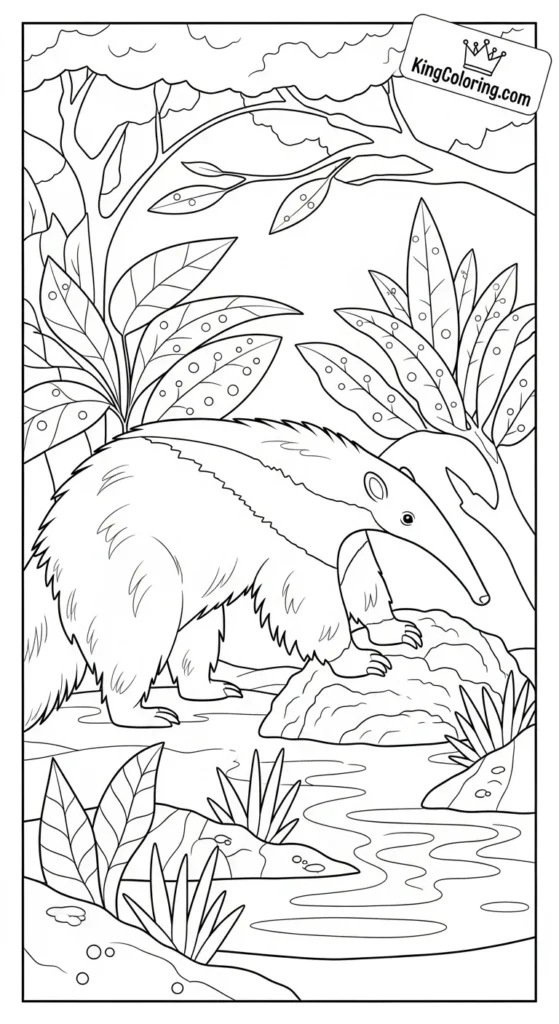
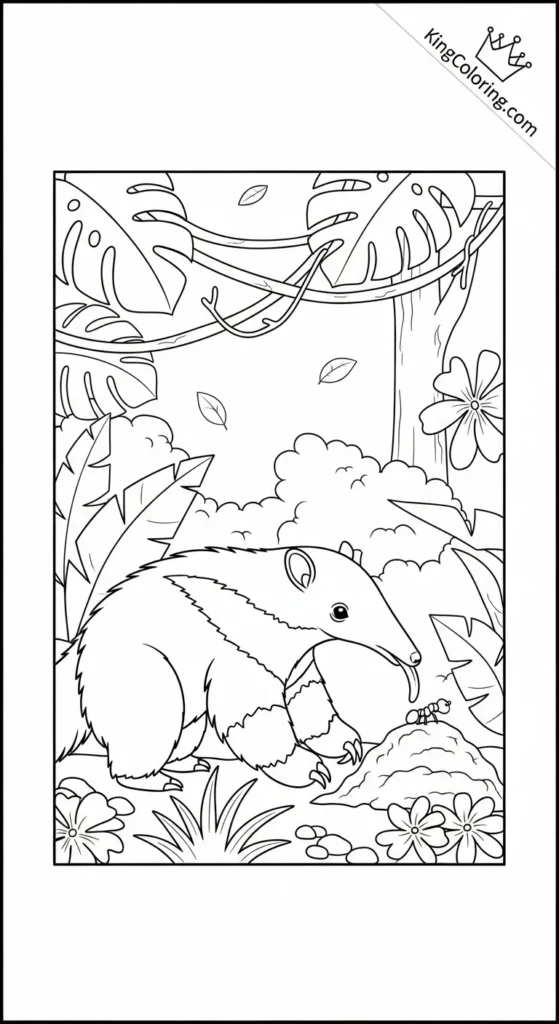
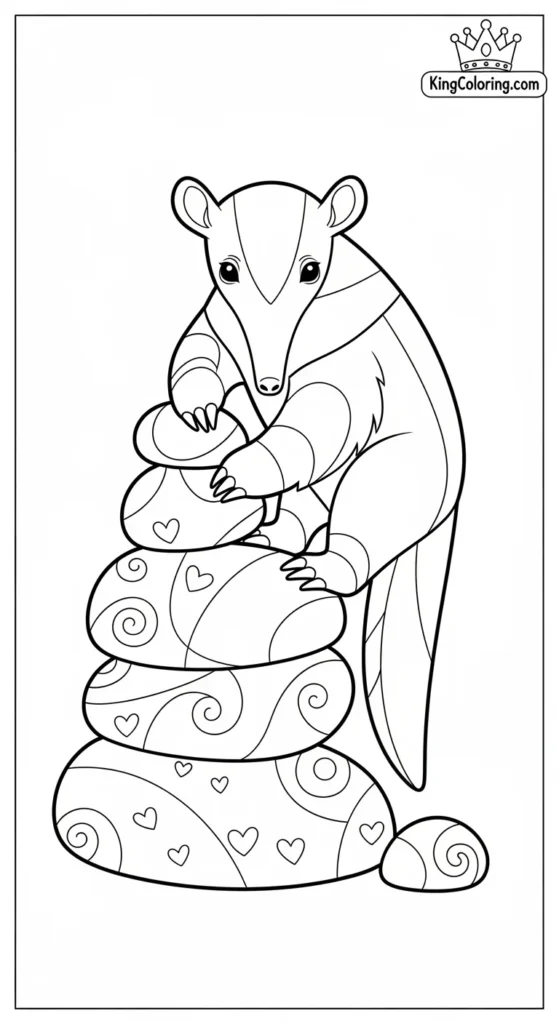
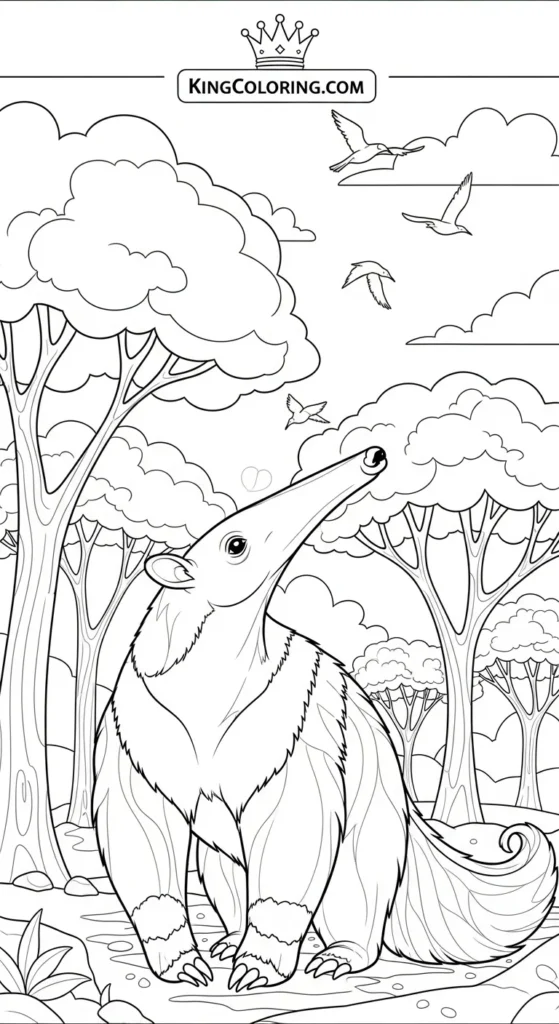
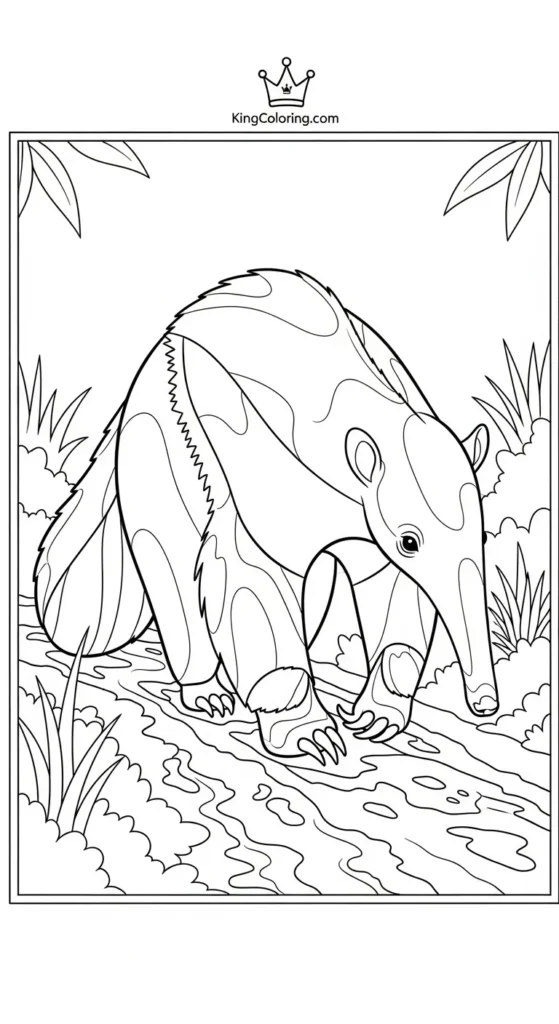
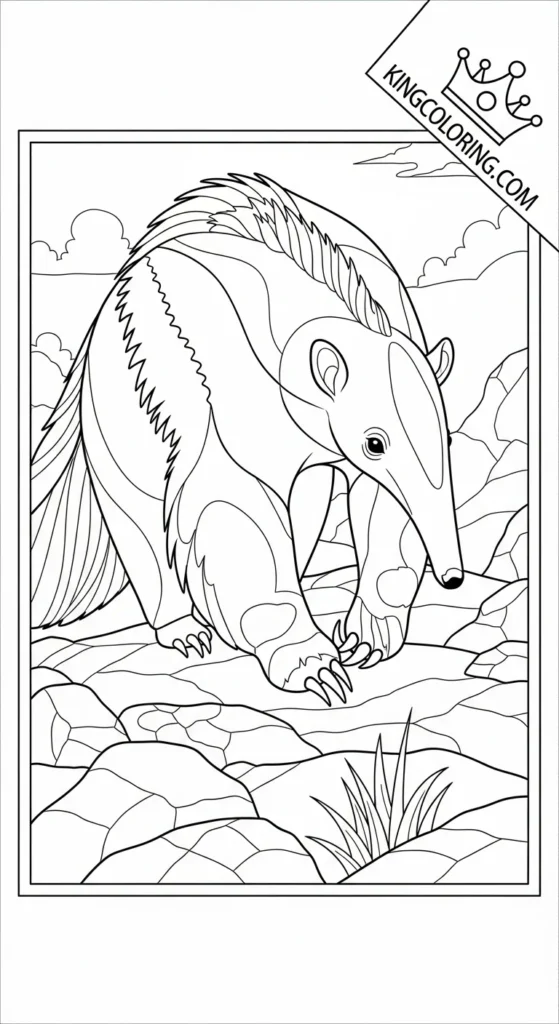
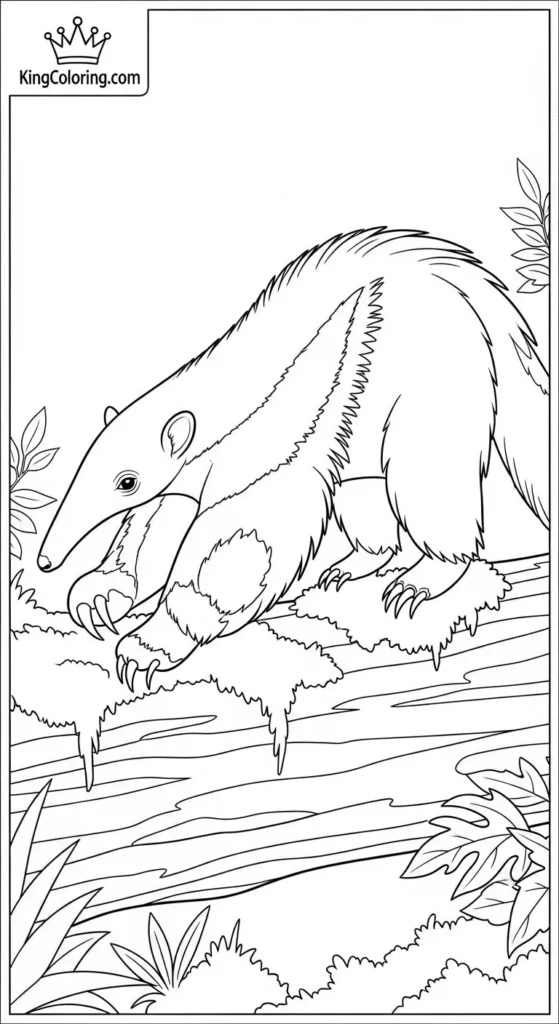
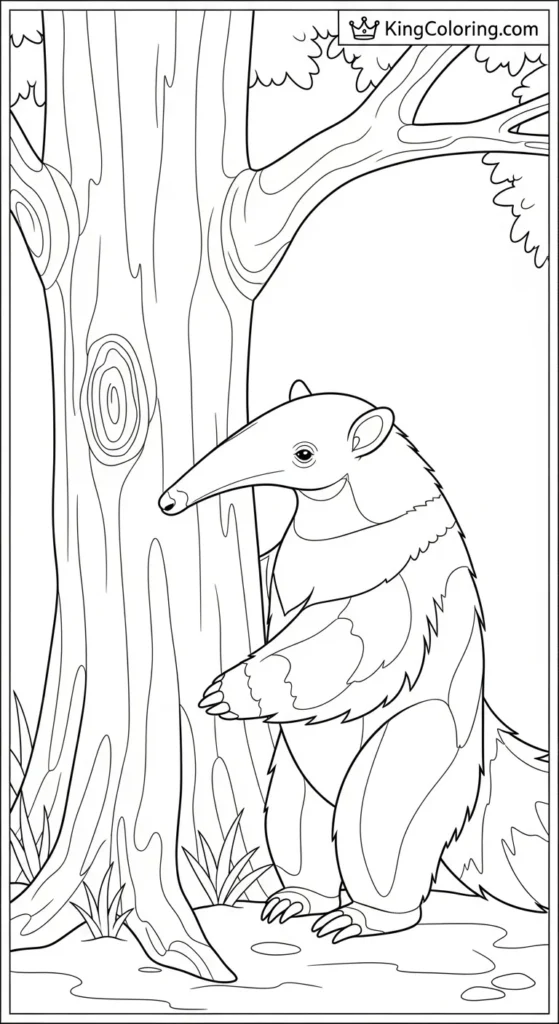
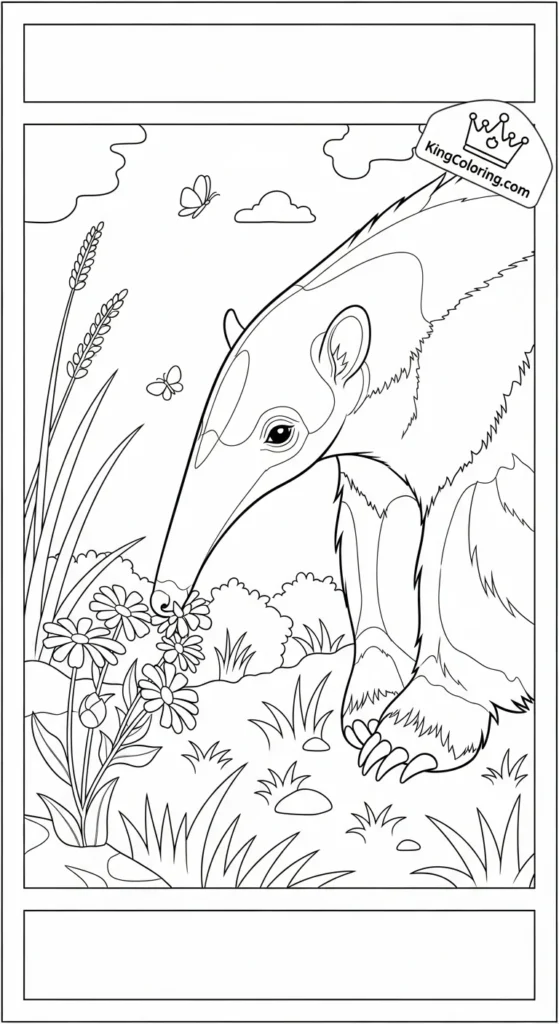
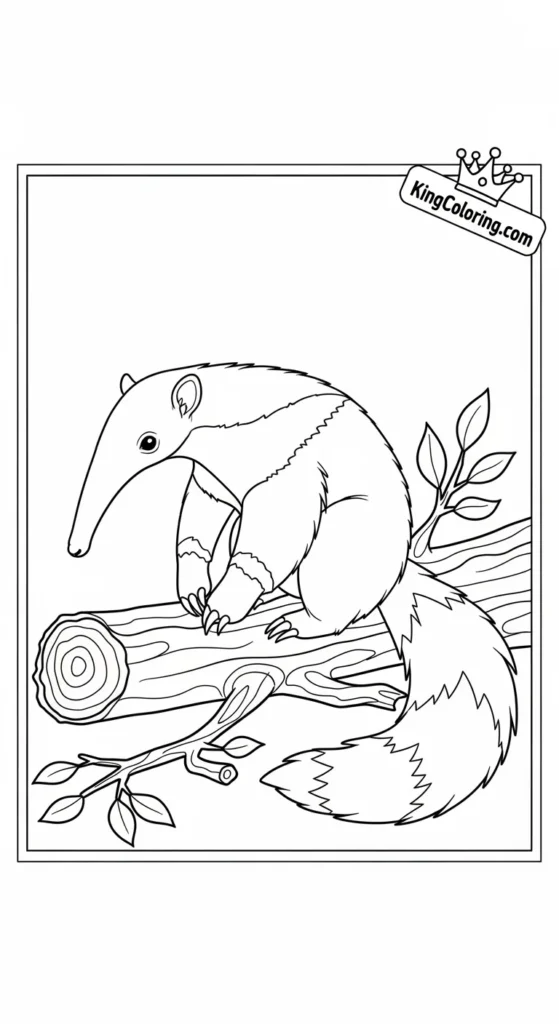
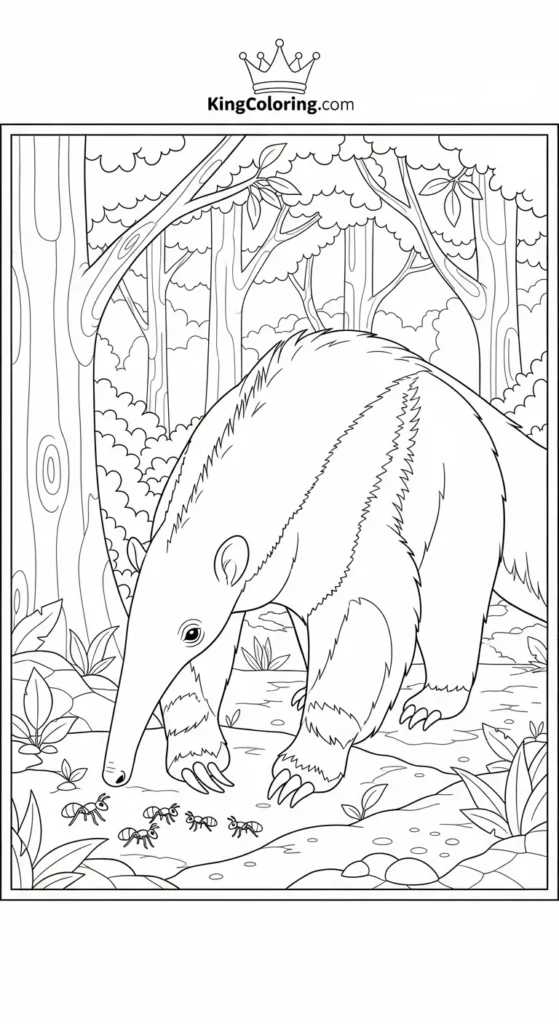
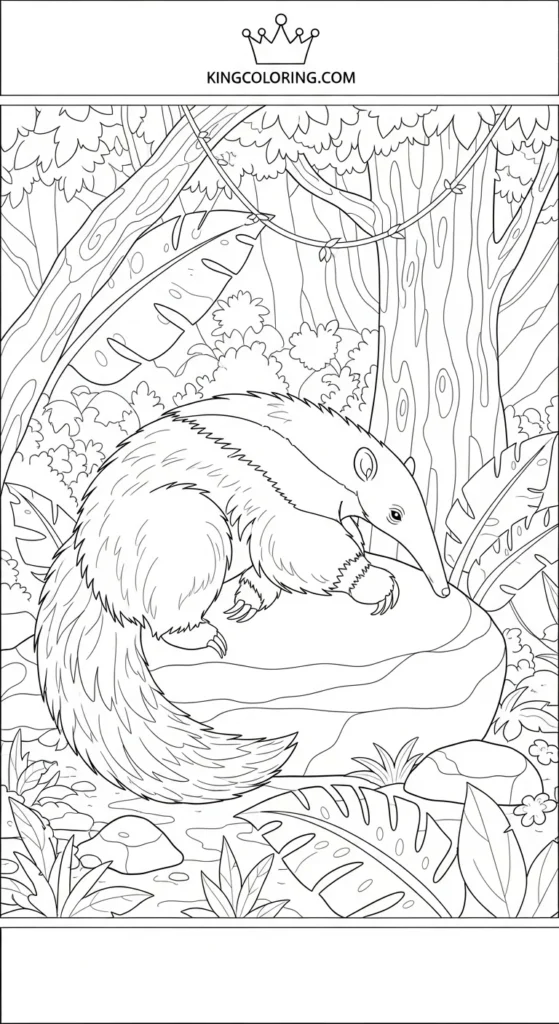
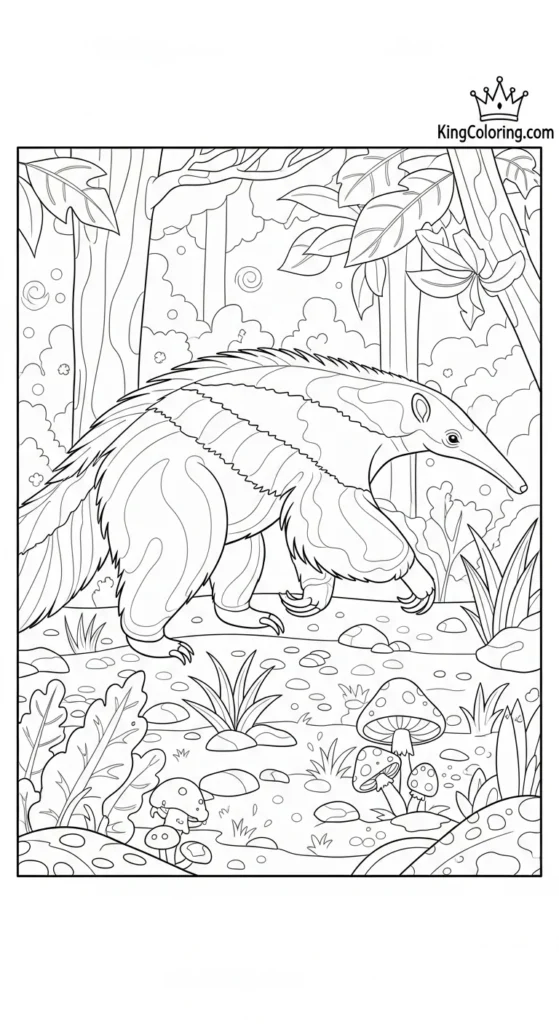
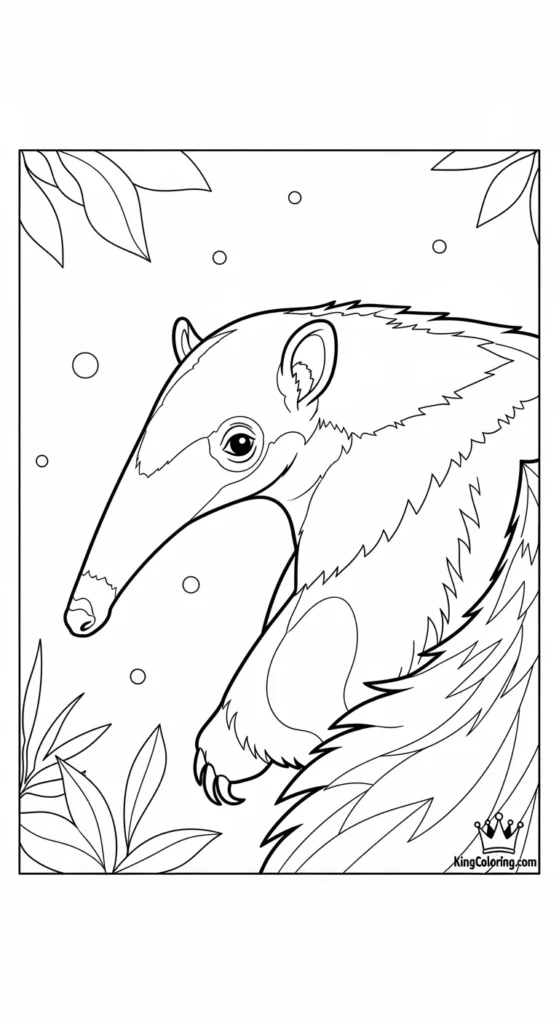
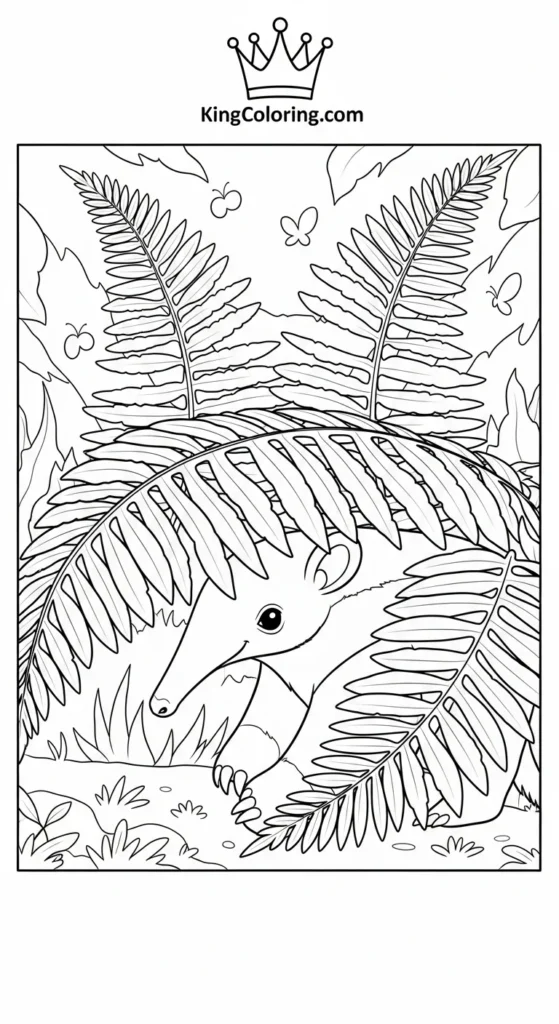
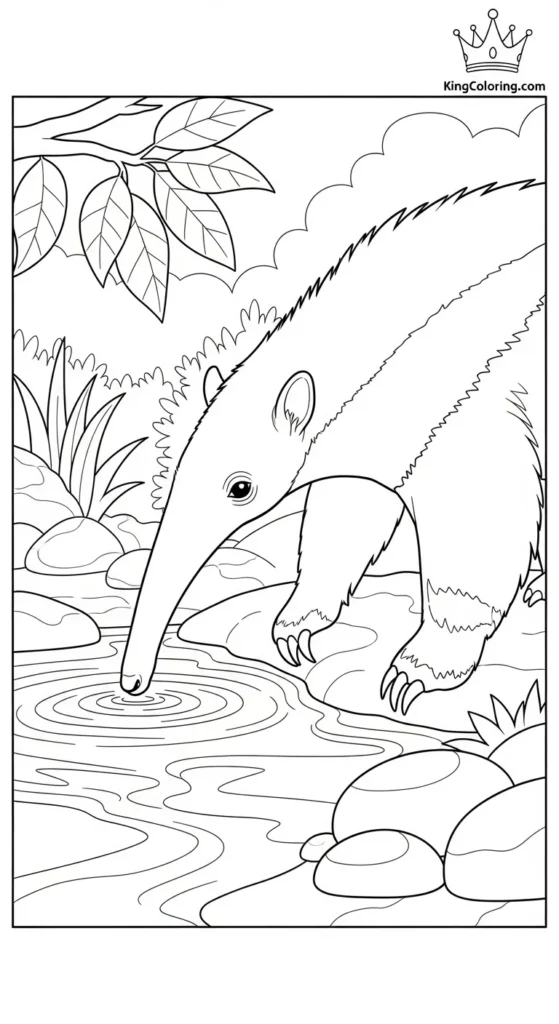
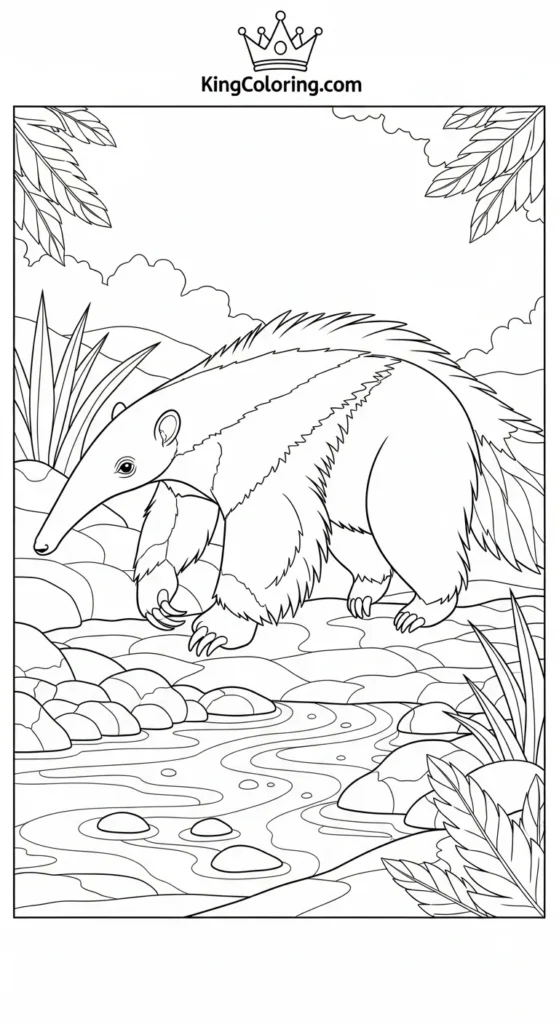
Table of Contents
How to Print Your Anteater Coloring Pages
Getting these printables onto paper is straightforward once you know the settings. Here’s the setup that works best for both standard sizes.
For US Letter (8.5″ × 11″)
Open your PDF in any browser or dedicated PDF reader. Navigate to File > Print or press Ctrl+P (Windows) or Cmd+P (Mac). In the print dialog, set the paper size to US Letter. Make sure the scale is at 100%—no shrinking or scaling adjustments. Portrait orientation works best for most anteater designs, though landscape can work for wider jungle scenes with side-to-side composition. Hit print and you’re done.
For A4 (210 × 297 mm)
Select A4 paper size in your print dialog. Choose “Fit to printable area” option so margins stay even on all sides without cutting off design elements. Default margins are fine; you don’t need to adjust them manually. Print in portrait mode unless the design is clearly wider than it is tall—landscape works for horizontal scenes. Most anteater designs print beautifully on A4 with zero adjustments needed.
Three Quick Fixes That Actually Work
If your edges are cropped or cut off, uncheck “Actual size” and instead check the “Fit to page” option. This shrinks the image slightly to ensure everything fits within your margins. If lines look faint, pixelated, or ghostlike, the issue is usually PDF quality. Re-download the file if possible, or print with higher DPI settings (600 DPI is ideal for coloring pages, though 300 DPI works fine too). If your design stretches weirdly or compresses, verify the page orientation matches the image shape—if the design is taller than wide, use portrait; if wider than tall, switch to landscape. Mismatched orientation causes distortion every time.
Pro Tips for Better Coloring Sessions
Prep work makes a real difference in session quality and final output. Before handing pages to kids, check that all lines printed clearly—hold it up to light if you’re unsure the ink transferred properly. Keep your colored pencils, markers, and crayons organized in a cup or container nearby; kids waste less time hunting supplies this way and stay focused on the activity itself.
For colored pencil work, sharpen pencils before the session so fine details stay crisp and lines don’t blur. A blunt pencil is frustrating for young hands and ruins the precision that makes coloring satisfying. If using markers, lay down newspaper or a protective mat to catch bleed-through on the back of the page—nothing stops a session faster than permanent marks on the table. Gel pens are underrated for adding highlights, details, and final touches that regular markers can’t reach; keep a few metallic or white gel pens on hand for special effects.
Let kids choose their own color combinations rather than directing their choices. The magic of coloring happens when a child decides an anteater should be purple or that the grass should be orange. That freedom builds confidence and makes the activity feel like genuine creative expression rather than a fill-by-numbers task.
Fine Motor Skill Boosters Through Coloring
Anteater pages with intricate details strengthen hand control and grip strength in young colorers. Thinner snouts and small facial features require precision grip and steady wrist movement—exactly what develops fine motor skills that matter for writing, cutting, buttoning, and tying shoes. The repetitive motion of coloring builds muscle memory in fingers and hands.
Encourage kids to stay inside lines during coloring, not as punishment but as a fun challenge that builds focus. Offer smaller coloring tools for detailed areas (thin markers, colored pencils, fine-tip pens) and let them switch between tool types. This switching builds adaptability in hand position and pressure control—skills that transfer directly to handwriting and other complex handiwork.
Mandala and geometric anteater designs are especially powerful for motor development because they demand consistent pressure and controlled movement across symmetrical patterns. Kids naturally slow down and focus when the design is visually beautiful and engaging. The satisfaction of completing an intricate pattern reinforces effort and patience, making them want to tackle increasingly detailed pages over time.
Start younger kids with simple outline designs and gradually introduce more complex patterns as their control improves. Watch for signs of frustration—tired hands, pressing too hard, or rushing—and take breaks. Coloring should build confidence, not stress.
Discover a Wide Universe of Animal Coloring Pages
Looking for more printable designs? Explore a broad variety of animal coloring pages featuring many species, exciting themes, and creative styles for all ages.
Travel Activity Ideas
Anteater coloring pages pack flat and travel light—perfect for road trips, flights, doctor’s offices, or restaurant waits. Print a few copies and toss them in a backpack with a small pouch of colored pencils or markers. They’re also great for hotel rooms on vacations when kids need quiet solo activities in the evening.
For car rides lasting more than 30 minutes, use a clipboard or portable lap desk so kids have a firm surface to press against while coloring. Colored pencils are tidier than markers for travel (less chance of staining clothes, seats, or car interiors). Pack a pencil sharpener too—the small handheld kind works great—because dull tips frustrate young colorers quickly and derail the activity.
Bring extra blank copies beyond what you think you’ll need. Kids often get excited and finish pages faster than expected, or they want to color the same favorite design twice. Having backups keeps the activity running without stress or boredom creeping in. A bundle of 5–10 pages takes up minimal space and covers most travel scenarios.
Restaurant waits dissolve faster with these designs than with phones or tablets. Many families find that anteater pages spark genuine conversations—”Why is the snout so long?” and “What do anteaters really eat?” and “Can you draw one too?”—turning coloring into informal learning time. Kids stay engaged, happy, and entertained while adults can enjoy a meal without rushing.
Ready to print?