We offer a wide collection of free, high-quality printable coloring pages for kids and adults. From cute animals to intricate mandalas, our designs bring creativity and relaxation to everyone. Download, print, and start coloring today!

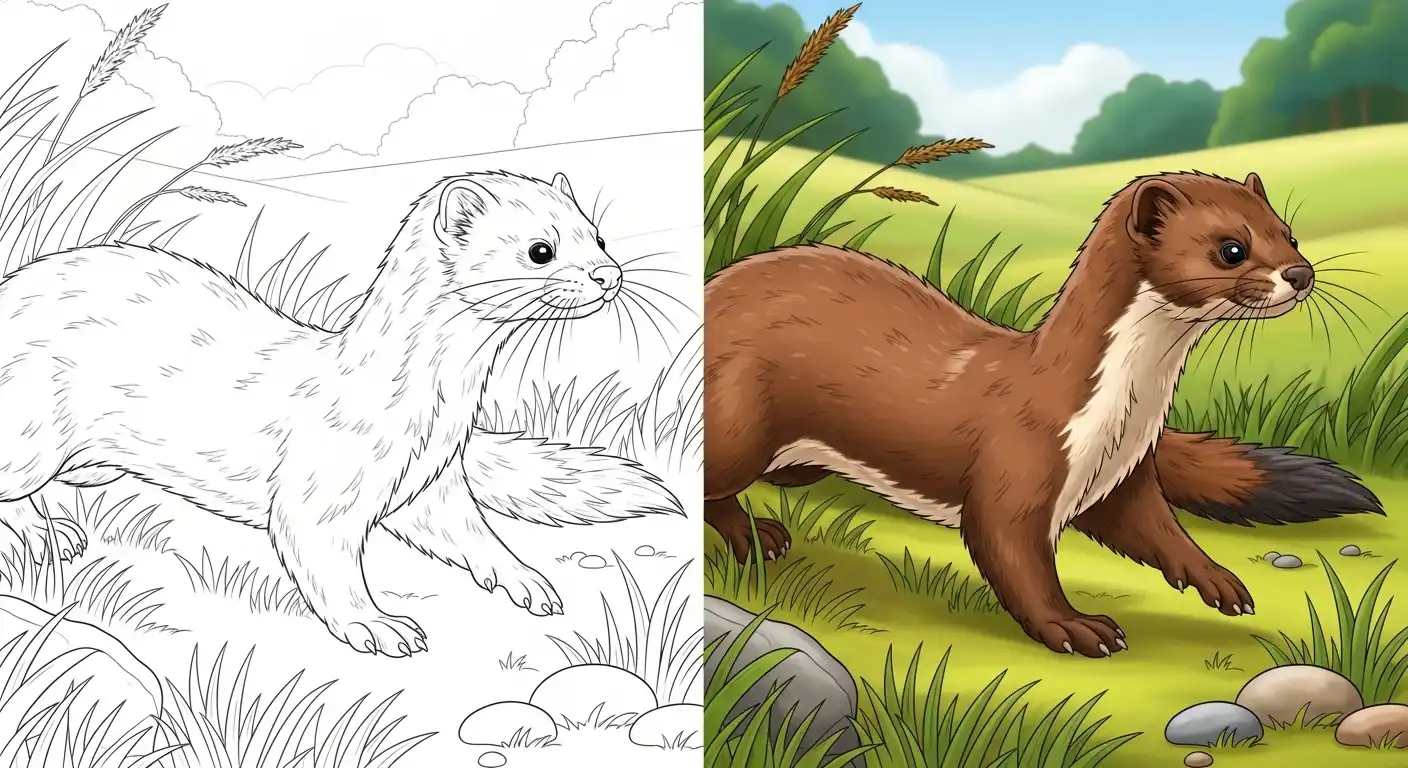
Slippery, sleek, and full of personality—these printable minks are ready to dive into your art bin. If you need mink coloring pages that combine wildlife education with focused coloring time, you are in the perfect spot. These sheets help children explore river ecosystems while strengthening hand-eye coordination. Ideal for nature units, quiet corners, or early-finisher moments, each design features clear lines and engaging details.
Print a stack for your homeschool table or tuck a few into your travel activity folder. The pages work beautifully with crayons, colored pencils, or markers when paired with the right paper. Let’s explore the collection and find the perfect sheet for your next creative adventure.
Gallery Of Mink PDFs
Choose a page that fits your learner’s skill level or interest. Each printable offers a unique artistic angle or educational hook.
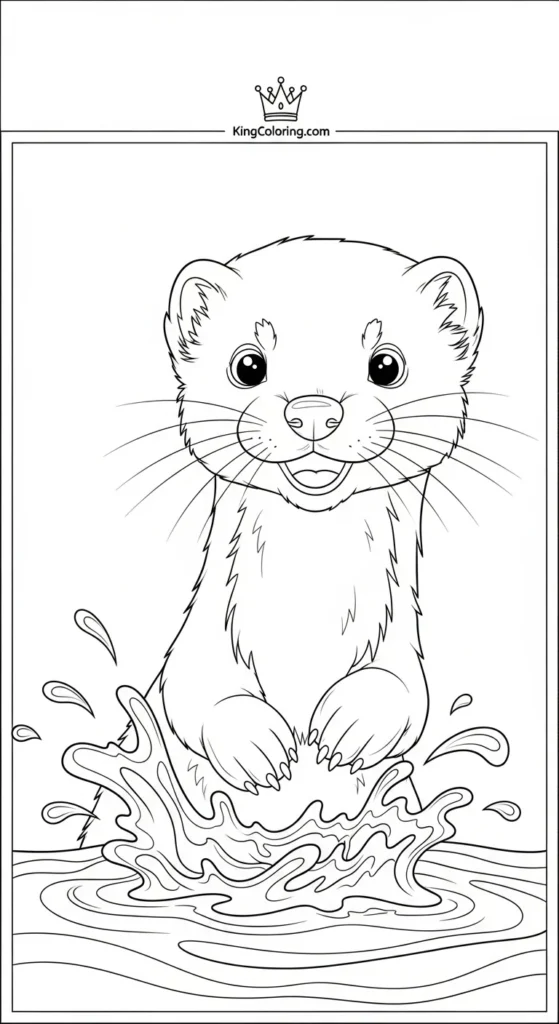
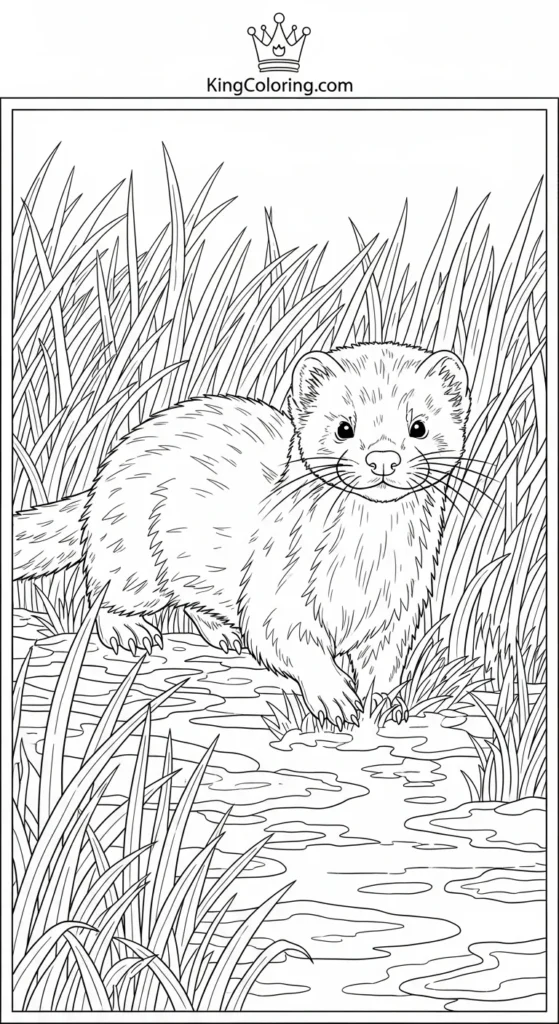
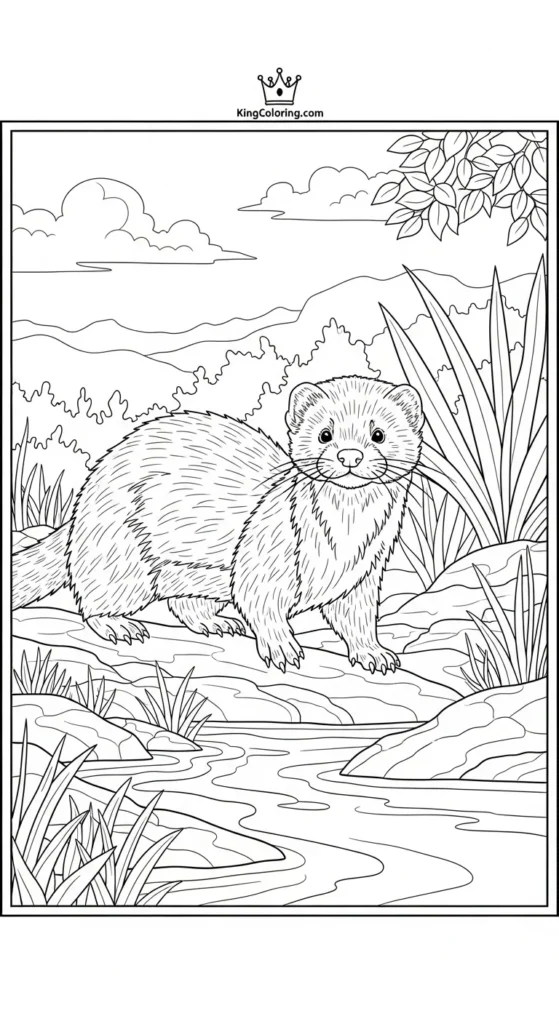
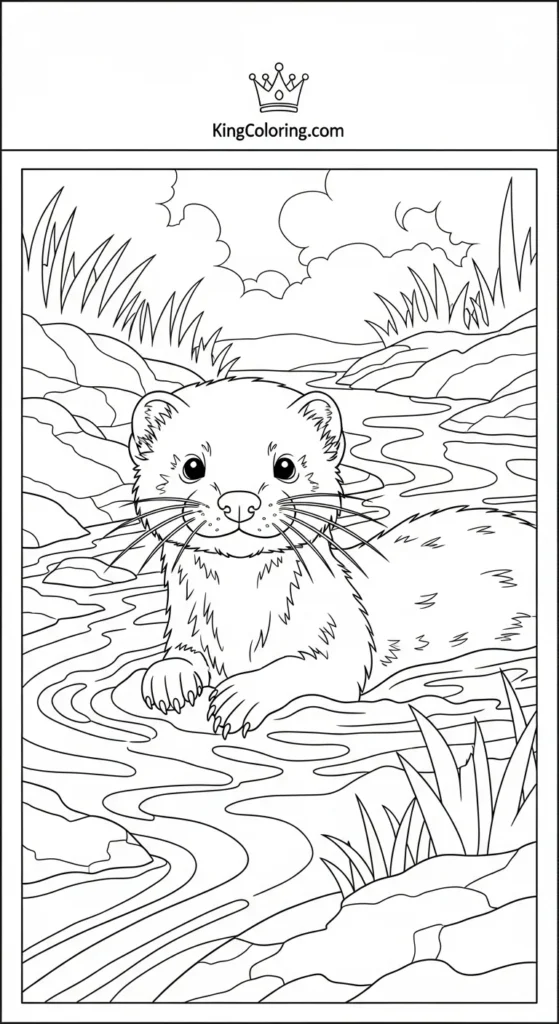
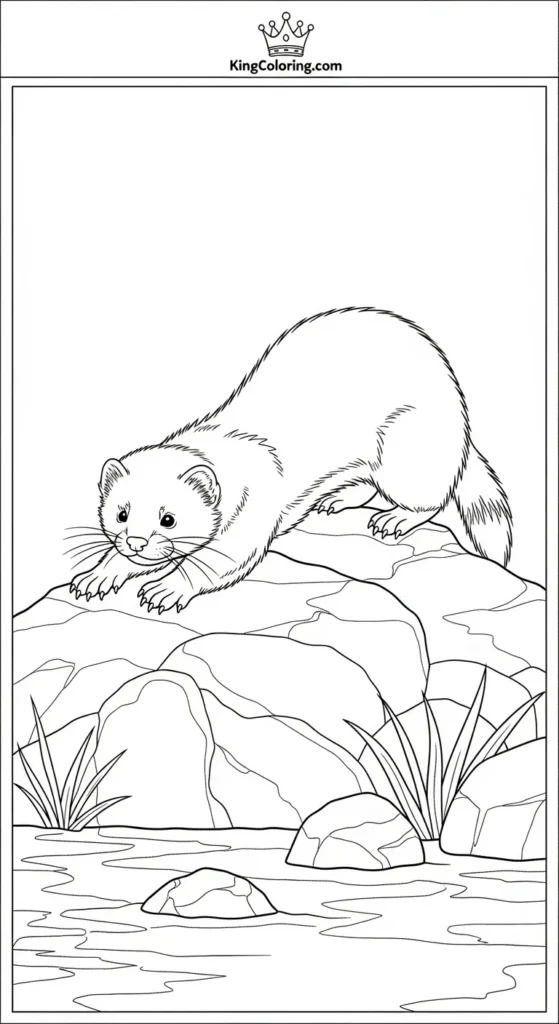
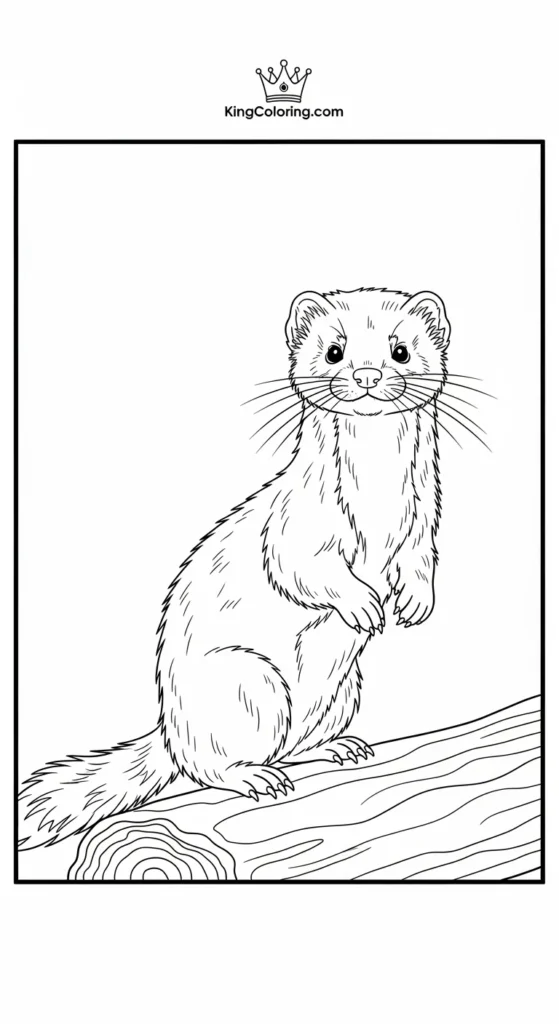
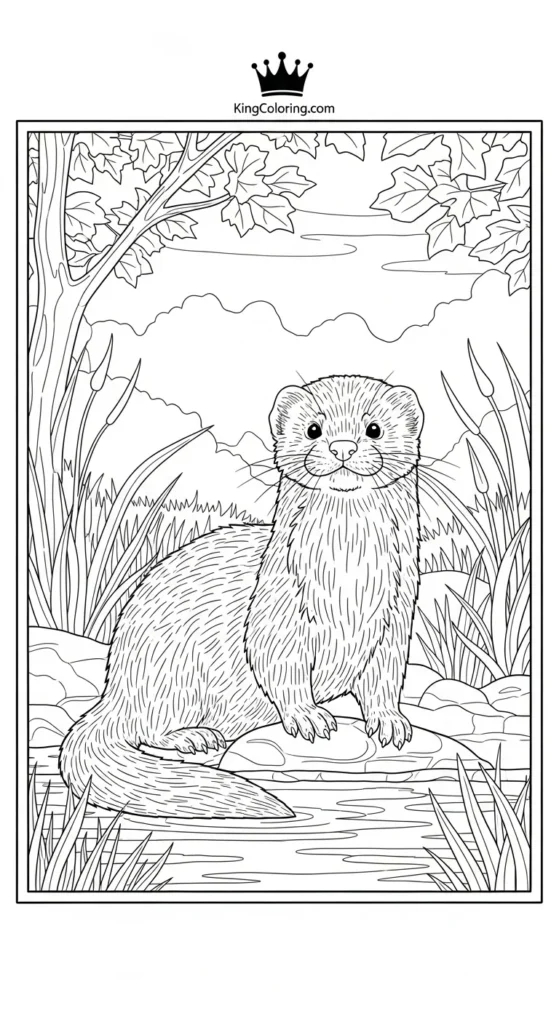
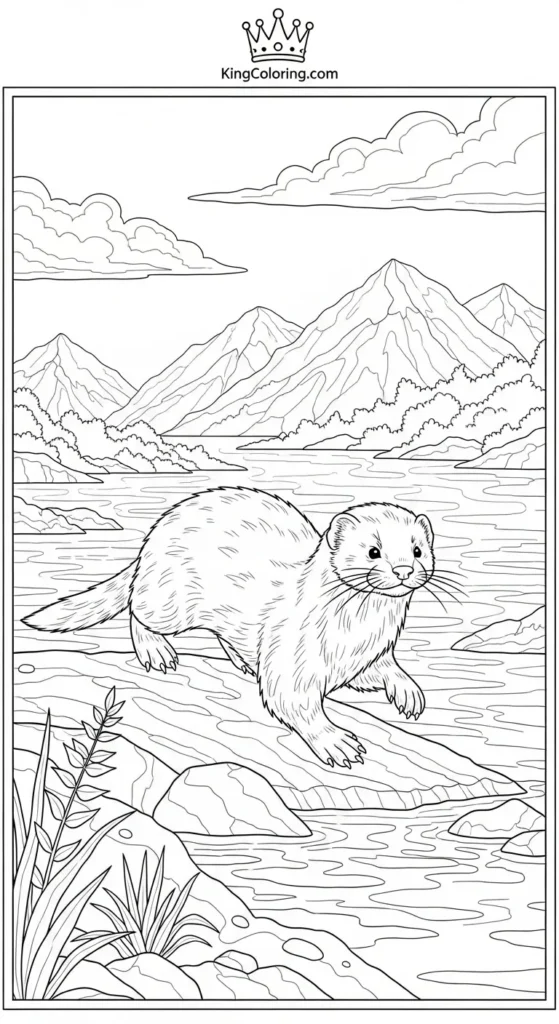
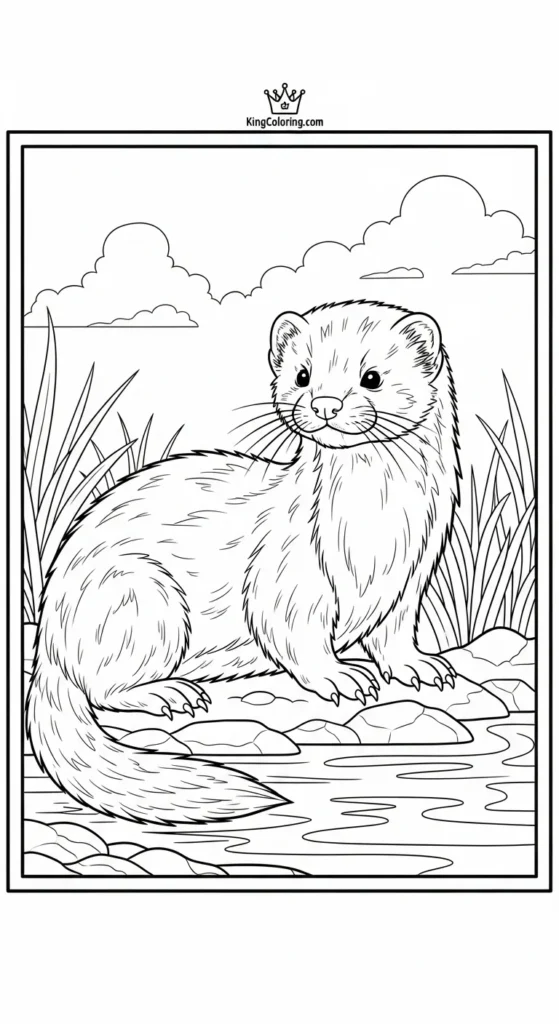
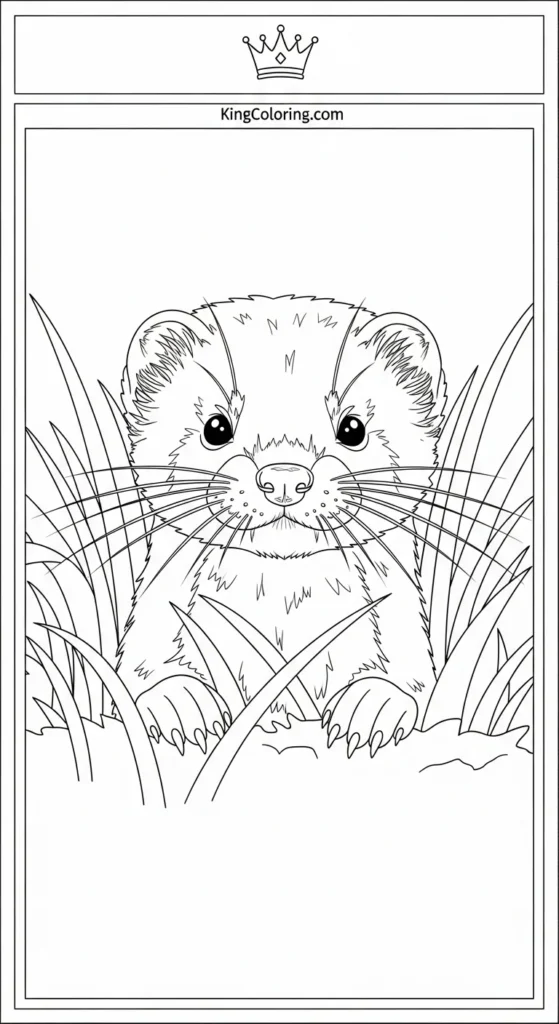
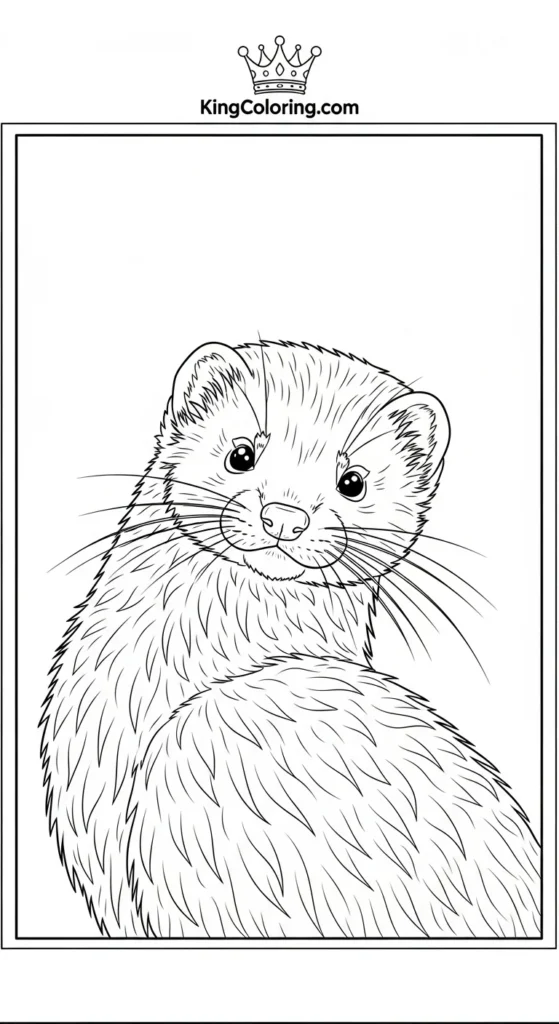
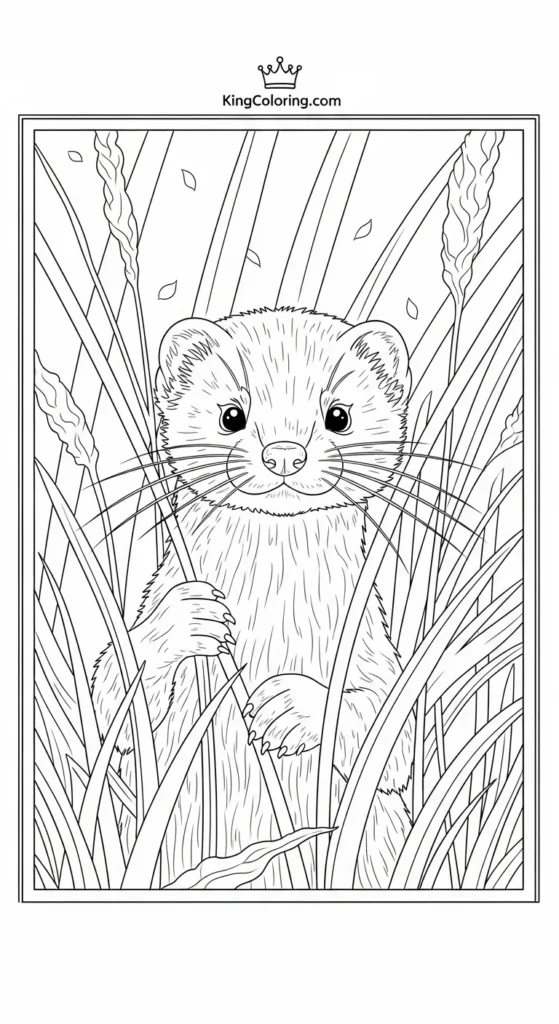
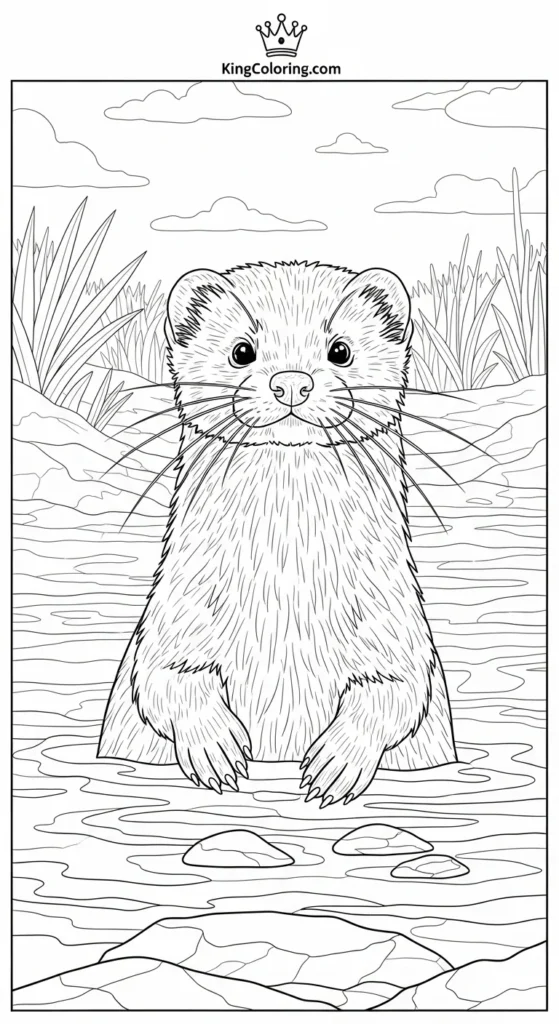
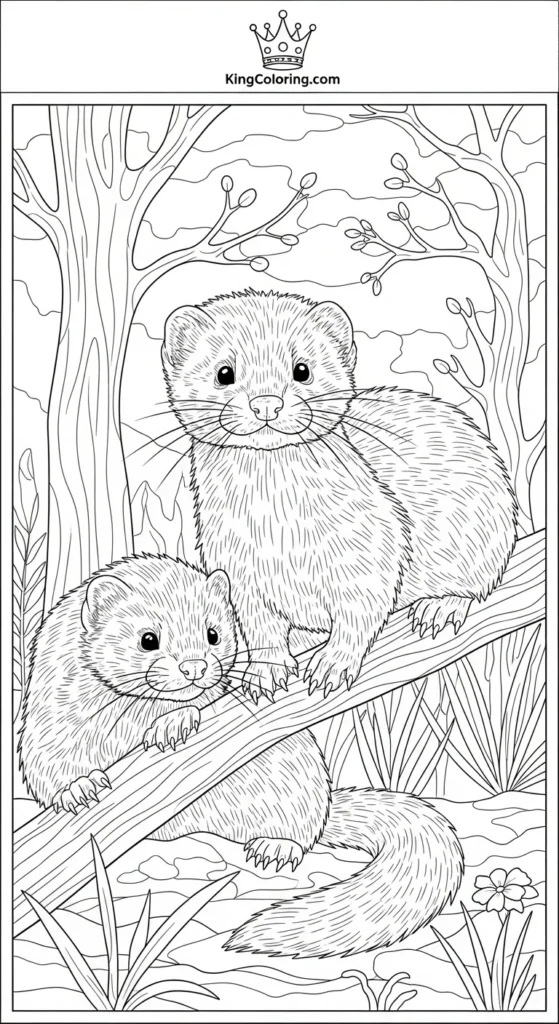
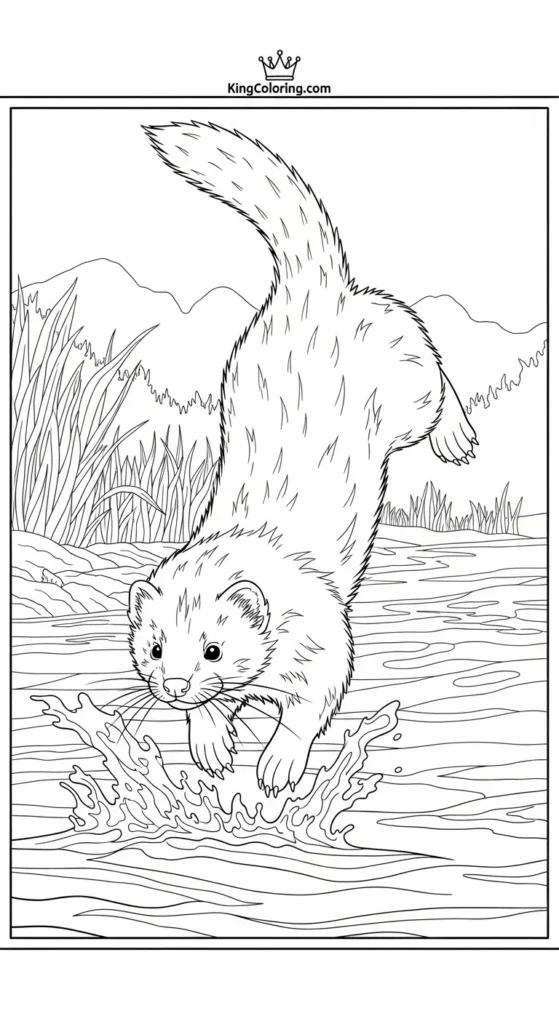
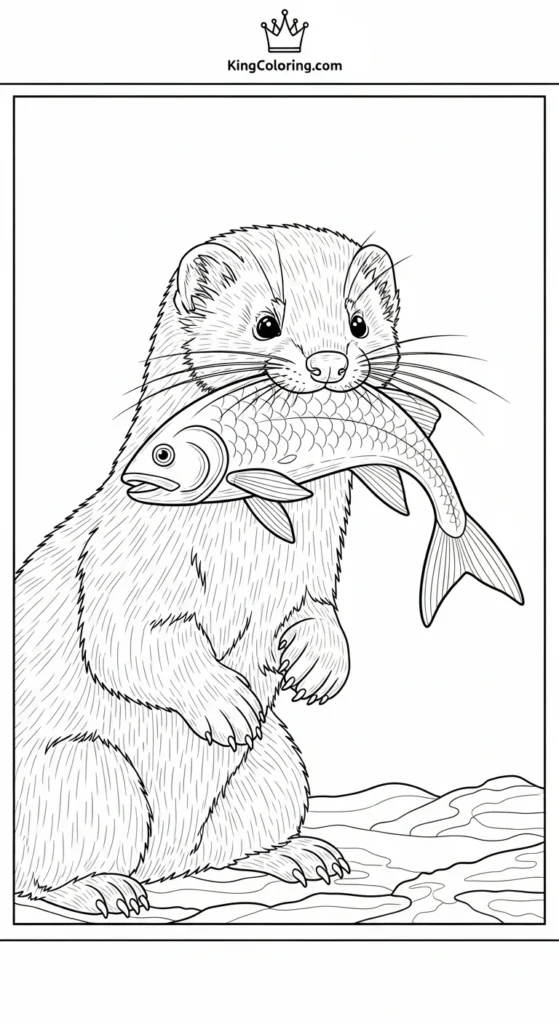
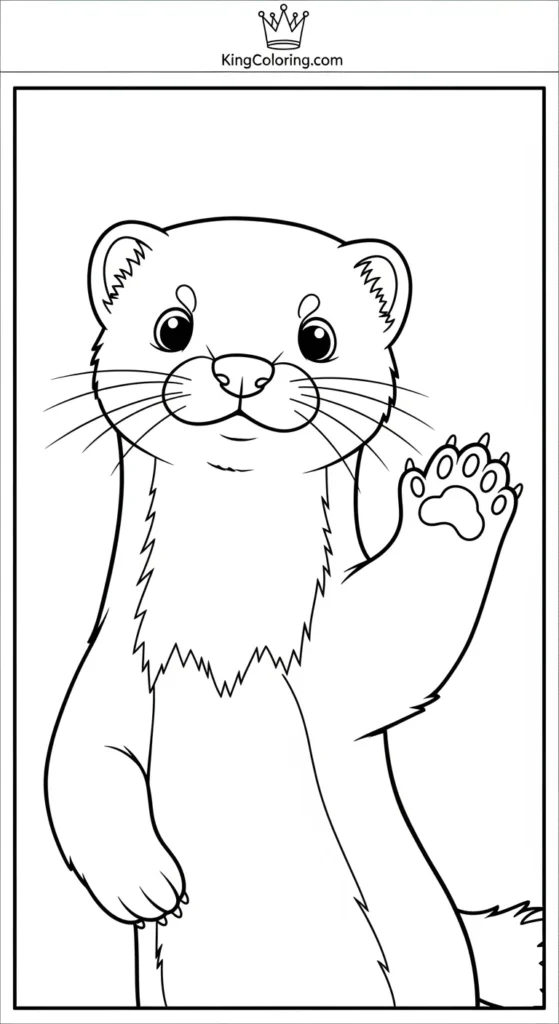
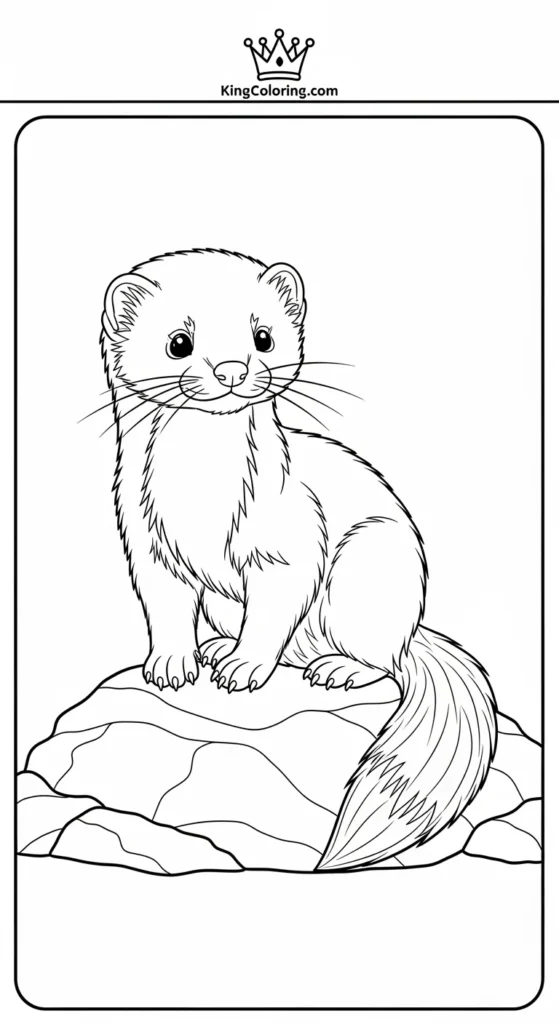
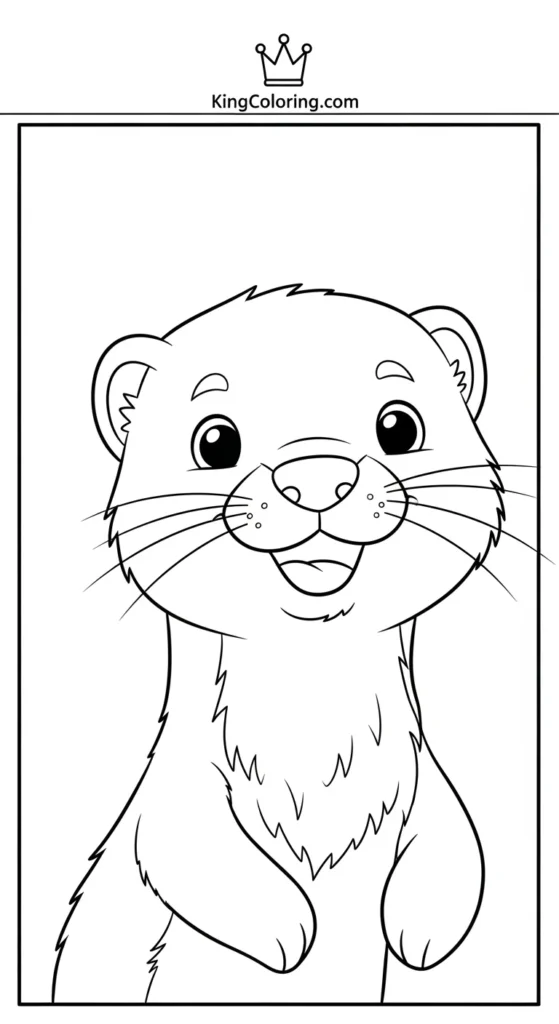
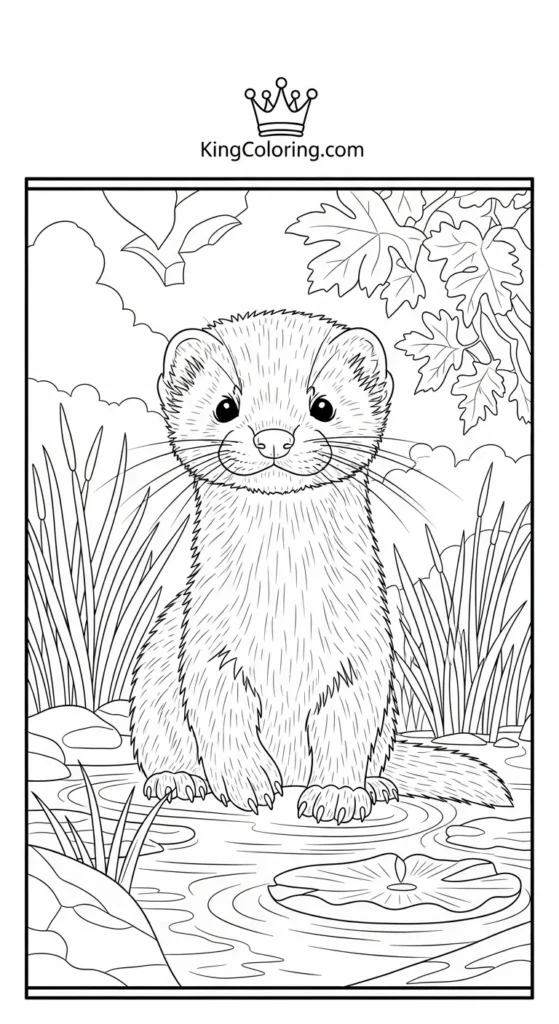
Table of Contents
Print Perfect Every Time
A crisp printout makes coloring more enjoyable and reduces frustration. These files are optimized for home printers, but a few quick settings checks ensure professional-looking results.
Start with paper size. In the United States, select US Letter (8.5 x 11 inches). International users, choose A4. Both formats are supported, but selecting the wrong setting can accidentally trim tails or whiskers.
Next, enable “Fit to Page” or “Scale to Fit” in your print dialog. This prevents awkward white borders or cut-off paws. For best results, choose “High Quality” mode—especially if young artists plan to use markers that might bleed on faint outlines.
3 Quick Fixes for Common Print Issues
- Faint or Broken Lines: Switch from “Draft” to “Normal” quality in your printer settings. If lines still look weak, try a smoother paper brand; some textured recycled stocks absorb ink unevenly.
- Cropped Edges: Ensure “Borderless Printing” is turned off unless your printer explicitly supports it. Standard margins keep the full mink visible and ready to color.
- Image Too Small or Off-Center: Verify scale is set to 100% or “Fit to Page.” Browser print previews sometimes shrink images automatically—double-check the preview pane before hitting print.
Skill-Building Benefits
Coloring minks isn’t just fun—it quietly builds important skills. When children focus on staying inside the curves of a sleek body or delicate whiskers, they strengthen fine motor control. This practice supports handwriting readiness and hand strength for younger learners.
Choosing colors also encourages decision-making and creativity. Ask your child, “What colors do you think a mink’s fur would be near muddy riverbanks?” This opens conversations about adaptation and observation. The activity becomes a gentle anchor for science discussions.
For kids aged 5–8, these pages offer just the right level of detail: challenging enough to hold attention, but not so complex that they feel overwhelming. The result? Longer focus spans and a sense of accomplishment when the page is complete.
Pro Tips for Better Coloring
Want to level up the coloring experience? Try these quick, practical tips that make a noticeable difference.
- Layer Light to Dark: Start with light pressure and gradually build color intensity. This prevents wax buildup and allows for smoother blending on fur textures.
- Use a Blending Stump or Cotton Swab: For colored pencil work, gently smudge areas like the belly or cheeks to create soft fur transitions.
- Protect Your Work Surface: Slip a scrap sheet of paper behind the coloring page if using markers. This prevents bleed-through and keeps tables clean.
- Try a White Gel Pen Last: Add tiny highlights to eyes, whiskers, or water droplets after the main coloring is dry for a professional finish.
These small tweaks help kids feel proud of their results and encourage them to spend more time on each piece.
Ideas Beyond the Page
Don’t let the creativity stop when the coloring ends. Here are simple ways to extend the learning and fun.
- Habitat Diorama: Cut out the finished mink and glue it onto a shoebox scene with blue cellophane water, paper reeds, and a clay riverbank.
- Fact Cards: Write one mink fact on the back of the page (e.g., “Minks are excellent swimmers!”) and display it alongside the art.
- Story Starter: Ask, “Where is your mink swimming today?” and let kids write or dictate a short adventure on the reverse side.
- Nature Journal Addition: Glue the colored page into a wildlife notebook and label adaptations like webbed feet or dense fur.
These extensions turn a single activity into a multi-sensory learning moment.
You Asked, We Answered
Can I print these for my homeschool co-op?
Yes! These pages are designed for personal and educational use. Print as many copies as you need for your group.
What if my printer only has black ink?
No problem. The pages feature bold, clear outlines that look great even in monochrome. Students can still add color with crayons or pencils afterward.
Are there simpler designs for younger learners?
Absolutely. Look for “Curious Kit Close-Up” or “Den Entrance Discovery” in the gallery. These have thicker lines and minimal background detail.
Can we color these digitally on tablets?
Yes, you can import the PDFs into digital coloring apps. However, printing often provides a better tactile experience for developing fine motor skills.
Ready to Explore?
Your next wildlife art adventure is just one click away. Pick a mink from the gallery, check your printer settings, and grab your favorite coloring tools. It is a simple, screen-free way to spark curiosity and creativity.
Download your PDF now and start coloring!
53 Mink Coloring Pages
Slippery, sleek, and full of personality—these printable minks are ready to dive into your art bin. If you need mink coloring pages that combine wildlife education with focused coloring time, you are in the perfect spot. These sheets help children explore river ecosystems while strengthening hand-eye coordination. Ideal for nature units, quiet corners, or early-finisher moments, each design features clear lines and engaging details.
Print a stack for your homeschool table or tuck a few into your travel activity folder. The pages work beautifully with crayons, colored pencils, or markers when paired with the right paper. Let’s explore the collection and find the perfect sheet for your next creative adventure.
Print Perfect Every Time
A crisp printout makes coloring more enjoyable and reduces frustration. These files are optimized for home printers, but a few quick settings checks ensure professional-looking results.
Start with paper size. In the United States, select US Letter (8.5 x 11 inches). International users, choose A4. Both formats are supported, but selecting the wrong setting can accidentally trim tails or whiskers.
Next, enable “Fit to Page” or “Scale to Fit” in your print dialog. This prevents awkward white borders or cut-off paws. For best results, choose “High Quality” mode—especially if young artists plan to use markers that might bleed on faint outlines.
3 Quick Fixes for Common Print Issues
- Faint or Broken Lines: Switch from “Draft” to “Normal” quality in your printer settings. If lines still look weak, try a smoother paper brand; some textured recycled stocks absorb ink unevenly.
- Cropped Edges: Ensure “Borderless Printing” is turned off unless your printer explicitly supports it. Standard margins keep the full mink visible and ready to color.
- Image Too Small or Off-Center: Verify scale is set to 100% or “Fit to Page.” Browser print previews sometimes shrink images automatically—double-check the preview pane before hitting print.
Skill-Building Benefits
Coloring animals is not only enjoyable—it also supports essential skill development in a subtle way. When children use mink coloring pages as part of their activity, they practice staying within the smooth curves of the mink’s sleek body and its delicate whiskers. This helps strengthen fine motor control, improve hand–eye coordination, and build the hand strength needed for early writing readiness in young learners.
Choosing colors also encourages decision-making and creativity. Ask your child, “What colors do you think a mink’s fur would be near muddy riverbanks?” This opens conversations about adaptation and observation. The activity becomes a gentle anchor for science discussions.
For kids aged 5–8, these pages offer just the right level of detail: challenging enough to hold attention, but not so complex that they feel overwhelming. The result? Longer focus spans and a sense of accomplishment when the page is complete.
Pro Tips for Better Coloring
Want to level up the coloring experience? Try these quick, practical tips that make a noticeable difference.
- Layer Light to Dark: Start with light pressure and gradually build color intensity. This prevents wax buildup and allows for smoother blending on fur textures.
- Use a Blending Stump or Cotton Swab: For colored pencil work, gently smudge areas like the belly or cheeks to create soft fur transitions.
- Protect Your Work Surface: Slip a scrap sheet of paper behind the coloring page if using markers. This prevents bleed-through and keeps tables clean.
- Try a White Gel Pen Last: Add tiny highlights to eyes, whiskers, or water droplets after the main coloring is dry for a professional finish.
These small tweaks help kids feel proud of their results and encourage them to spend more time on each piece.
Ideas Beyond the Page
Don’t let the creativity stop when the coloring ends. Here are simple ways to extend the learning and fun.
- Habitat Diorama: Cut out the finished mink and glue it onto a shoebox scene with blue cellophane water, paper reeds, and a clay riverbank.
- Fact Cards: Write one mink fact on the back of the page (e.g., “Minks are excellent swimmers!”) and display it alongside the art.
- Story Starter: Ask, “Where is your mink swimming today?” and let kids write or dictate a short adventure on the reverse side.
- Nature Journal Addition: Glue the colored page into a wildlife notebook and label adaptations like webbed feet or dense fur.
These extensions turn a single activity into a multi-sensory learning moment.
Explore a Rich World of Animal Coloring Pages
Looking for more designs to print? Discover a diverse range of animal coloring pages featuring many species, fun themes, and creative styles to enjoy.
You Asked, We Answered
Can I print these for my homeschool co-op?
Yes! These pages are designed for personal and educational use. Print as many copies as you need for your group.
What if my printer only has black ink?
No problem. The pages feature bold, clear outlines that look great even in monochrome. Students can still add color with crayons or pencils afterward.
Are there simpler designs for younger learners?
Absolutely. Look for “Curious Kit Close-Up” or “Den Entrance Discovery” in the gallery. These have thicker lines and minimal background detail.
Can we color these digitally on tablets?
Yes, you can import the PDFs into digital coloring apps. However, printing often provides a better tactile experience for developing fine motor skills.
Download your PDF now and start coloring!